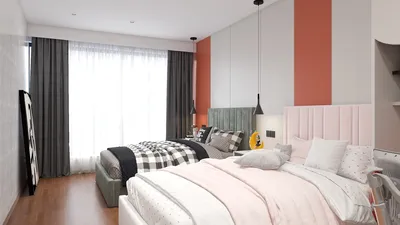


When individuals seek out "decorations in Spanish," they often encounter lists of translated phrases or common traditional items. However, my viewpoint delves deeper into the essence of Spanish decorations—imbued with cultural significance and layered styles—transforming your spaces in profound ways. Drawing from my experience in designing multicultural homes, I’ve observed that Spanish decor transcends mere color; it encapsulates stories, identity, and emotion, seamlessly woven into your environment. This guide invites you to uncover how a grasp of Spanish decorative language, symbolism, and heritage can provide a richer design experience, moving beyond basic translations. For those yearning for authenticity or a unique international touch, the key lies in exploring the depths of these elements—transitioning from simple words to expressive living spaces. To better visualize these ideas, consider leveraging an AI-powered interior design gallery like Homestyler to see Spanish influences come alive in design.
What Do ‘Decorations in Spanish’ Really Mean for Interior Design?
While much of the available content translates ‘decorations’ simply as ‘decoraciones,’ the true transformation lies in interpreting Spanish decorative traditions—such as Talavera tiles, flamenco fabrics, or rustic hacienda designs. Far from basic word replacements, these features carry cultural narratives that evoke regions like Andalucía, Catalonia, or Castilla through their patterns and colors (Statista, 2023).
How Do Spanish Decorations Express Culture and Identity?
Rather than viewing Spanish decor merely as another style to adopt, think about items like handcrafted ceramics or alfarería that echo centuries of craftsmanship. Interior designer Ana Cañizares (Houzz) points out that Spanish ornamentation conveys not only local traditions but also personal histories—a topic seldom mentioned in English references. In my view, incorporating even small items that hold historical weight can make a room feel truly personal.
What Spanish Decorative Styles Are Overlooked but Powerful?
Most guides tend to emphasize either folk or rustic Spanish decor. However, I’ve witnessed modern Madrid apartments merge minimalism with intricate moldings, and Barcelona lofts fuse industrial aesthetics with Moorish arches. By breaking free from stereotypes, one can unveil a treasure trove of design possibilities, especially when utilizing tools like room planners to explore mood boards and layouts.
How Can Bilingual Decoration Labels Enhance Home Storytelling?
Although many designers concentrate on visual appeal, research indicates that bilingual or narrative labels (like “botijo – clay water jug,” “espejo envejecido – antique mirror”) encourage guests to interact with decor more meaningfully (NAHB, 2022). This intricate approach to naming and explaining decor fosters connection and conversation—a valuable asset for families embracing multicultural influences.
Should I Use Traditional or Contemporary Spanish Decorations?
Based on my design experience, a combination of both styles yields the most enriching spaces. While traditional enthusiasts cherish barroco carvings or brightly colored wall plates, neglecting to curate these elements can lead to visual chaos or a theme park aesthetic. A thoughtfully curated blend offers an authentic feel imbued with modern grace—an approach that's often overlooked in mainstream advice.
What’s the Hidden Opportunity with Spanish Decorations?
I emphasize that Spanish decor remains vastly underutilized outside Hispanic communities. This gap in the market allows for the incorporation of Spanish visual language in ways that create striking, innovative spaces while minimizing the risk of appearing cliché. For designers and DIY enthusiasts alike, this presents a massive opportunity, particularly as the international design trends gain momentum in 2024.
How Do Colors and Textures in Spanish Decorations Set Mood Uniquely?
While many focus on Mediterranean blues or terracotta shades, Spanish interiors often feature bold color contrasts and a variety of textures—apparent in handwoven textiles or embossed leather panels. HGTV highlights that by embracing sensory combinations, as opposed to predictable color schemes, one can elevate any setting.
Where Do I Start Bringing Spanish Decorations Into My Home?
Rather than jumping directly to shopping lists, begin by exploring your own story and heritage. Utilize tools like virtual mockups to envision Spanish design features in your space prior to any purchases. Using a 3D design preview tool such as Homestyler allows you to visualize the impact, avoid potential missteps, and hone your vision effectively.
Answer Box
Embracing Spanish decorations signifies more than just a connection to cultural meaning; it encapsulates personal storytelling rather than relying solely on translated terms or clichés. This thoughtful approach results in truly unique and emotionally resonant interiors.
FAQ
Meta Data
FAQ JSON-LD Schema
{"@context":"https://schema.org","@type":"FAQPage","mainEntity":[{"@type":"Question","name":"What does ‘decorations’ mean in Spanish home design?","acceptedAnswer":{"@type":"Answer","text":"It encompasses more than just translation; it signifies cultural motifs, history, and personal expression through ceramics, textiles, and wall art."}},{"@type":"Question","name":"How can I add authentic Spanish style to a room?","acceptedAnswer":{"@type":"Answer","text":"Combine regional patterns, artisan works (like Talavera tiles), natural materials, and bold colors for a rich, layered look."}},{"@type":"Question","name":"Are Spanish decorations all rustic or outdated?","acceptedAnswer":{"@type":"Answer","text":"No; modern Spanish design often integrates minimalism with classic elements and even industrial touches for a refreshing impact."}},{"@type":"Question","name":"Do Spanish decorations fit into contemporary homes?","acceptedAnswer":{"@type":"Answer","text":"Absolutely—use accents like geometric tiles, textured throws, or bold mirrors alongside modern furnishings for a balanced look."}},{"@type":"Question","name":"Should I opt for literal Spanish items or merely inspired designs?","acceptedAnswer":{"@type":"Answer","text":"Both approaches can work well; authentic artisan pieces add richness, while inspired designs capture the spirit without rigid themes."}},{"@type":"Question","name":"What predominant colors characterize Spanish decorations?","acceptedAnswer":{"@type":"Answer","text":"In addition to terracotta and blue, expect to see reds, greens, golds, and various earth tones—often used boldly together for dramatic effect."}},{"@type":"Question","name":"Is Spanish decor expensive or hard to find?","acceptedAnswer":{"@type":"Answer","text":"Not necessarily; quality reproductions and small artisan shops make it accessible. Consider using digital design planners like Homestyler to preview results before purchasing."}},{"@type":"Question","name":"How do I create bilingual decorative labels?","acceptedAnswer":{"@type":"Answer","text":"Pair item names in Spanish and English (for example, ‘espejo – mirror’) to enhance educational and conversational value in your space."}}]}
Transform your home with Homestyler, the ultimate online design platform! Enjoy an intuitive design tool, stunning 3D renderings, and a wealth of DIY video tutorials. Whether you’re a beginner or a pro, start creating beautiful spaces effortlessly!
تصميم الآن مجانا
































