


A rose room spray can instantly enhance a space, making it feel more welcoming. However, the true transformation occurs when fragrance is harmonized with light, color, sound, and materials. As a designer, I see scent as an essential layer of design that should enhance the intended atmosphere without overpowering it. A thoughtful combination of these elements contributes to a soothing environment that enhances comfort and elevates everyday experiences. Introducing tools like Homestyler can help visualize these designs effectively.
Research consistently indicates that scent significantly impacts mood and overall satisfaction with a space. Studies by Herman Miller have established a connection between multi-sensory environments and improved well-being and productivity. The WELL Building Standard emphasizes the importance of olfactory comfort, advocating for proper ventilation and pollutant control as part of the overall indoor air quality strategy. Notably, adequate lighting levels, between 300 to 500 lux, are essential for residential tasks to ensure that rose fragrances remain crisp and not overwhelming, particularly in evening settings as per IES recommendations.
The colors around us also influence how we perceive scent. According to insights from VerywellMind on color psychology, soft pinks, muted greens, and warm neutrals evoke feelings of calmness and comfort. By pairing a rose spray with these color schemes, you can create a harmonious and soothing olfactory environment. In my designs, I carefully consider scent intensity alongside paint reflectiveness and fabric types to effectively manage how scents diffuse and linger in a space while utilizing resources like Homestyler to assist with visualizations.
Understanding the Layers of Rose Notes
Typically, rose fragrances consist of three main layers: top notes such as citrus and aldehydes, heart notes which may include Damask or Centifolia rose, peony, and geranium, and base notes comprising musk, woods, and amber. In social spaces like living rooms, I tend to prefer a lively rose with citrus overtones that invigorate the atmosphere. Bedrooms, on the other hand, benefit from softer rose heart notes and clean musk bases, which help to reduce sensory overload. Entryways can be enhanced with a fresh green-rose scent accented by a hint of geranium, avoiding any overly perfumed vibe.
Strength Calibration and Scent Diffusion Techniques
When it comes to application, starting lightly is key: one or two sprays for smaller rooms is often sufficient, while larger, open spaces might require three to four sprays. It's also vital to consider the airflow in the environment—factors such as HVAC systems, open windows, and ceiling fans will influence how the scent spreads. Using an interior layout tool, like Homestyler, can be instrumental in planning where scent likely gathers or dissipates.
Harmonizing Light and Scent
Warm, softly dimmed lighting (between 2700 and 3000K) beautifully complements rich rose bases, whereas cooler lighting (3500 to 4000K) keeps the scent profile bright and fresh. Be mindful of glare since high-shine surfaces can inadvertently enhance the sharpness of scents. Layering light strategically is essential: use ambient light for overall warmth, task lighting for clarity, and subtle accent lighting, such as wall washers on artwork, to draw attention to the rose fragrance without overwhelming the space.
The Psychological Impact of Color on Rose
Rose fragrances pair well with soft neutrals, blush colors, and shades of sage. It’s advisable to steer clear of bold competing colors in close proximity to the spray area, as saturated reds or neon accents can lead to a clash with the delicate rose profile. If a lively ambiance is desired, consider introducing subtle hints of coral or terracotta to uplift the citrus notes without disrupting the balance.
Choosing Materials Wisely for Sustainability
Natural fiber textiles such as linen, cotton, and wool tend to hold fragrance lightly, gradually releasing it. Additionally, high-surface-area textures like bouclé and raw silk capture scent effectively, which is advantageous in transitional spaces. Opt for room sprays with clear ingredient lists and low-VOC carriers, and ensure adequate ventilation and filtering to maintain a clean scent profile. Refillable glass bottles and recyclable packaging can also minimize environmental impact. In kitchens and dining rooms, select sprays that are lighter and free from heavy amber bases to prevent competing with food aromas.
Considering Human Factors and Ergonomics
Placement of your sprays is crucial. They should be easily accessible at shoulder height near entries and seating areas while being kept away from HVAC returns, which can interfere with scent retention. Build a routine around scenting—like spritzing just before guests arrive, after cooking, or following cleaning—to create a familiar sensory experience. For those in households with scent sensitivities, consider testing micro-doses by spraying a fabric swatch placed near airflow rather than directly into the air.
The Influence of Acoustics on Scent Perception
Sound significantly affects our experience of scent. Rooms with hard, reflective surfaces may amplify fragrances. Incorporating carpets, curtains, and upholstered furniture can help to absorb sound, creating a more serene environment where delicate rose notes can be appreciated without interference. Quiet spaces like bedrooms and reading areas benefit greatly from a softer auditory backdrop, allowing the nuances of rose to shine through.
Effective Scent Zoning Strategies
- Entryway: Use a bright rose fragrance with green notes to create a refreshing first impression.
- Living Room: Opt for a citrus-rose blend over wood undertones to promote social interaction.
- Bedroom: Choose a powdery rose paired with skin musks for a tranquil atmosphere.
- Bathroom: Select a dewy rose with aquatic notes to ensure a fresh ambiance, avoiding over-perfuming.
- Workspace: Consider a minimal rose scent micro-dosed on textiles to maintain focus.
Integrating Candles and Diffusers with Room Sprays
For an encompassing atmosphere, mix a gentle rose room spray with a subtle candle sharing similar base notes, such as wood or musk, to maintain continuity. Keep diffuser output light; heavy, unchanging scents can dull the brightness of the top notes. Schedule sprays strategically prior to entertaining guests and taper candle use after an hour to prevent scent saturation.
Maintaining Air Quality and Cleanliness
The foundation of a pleasant scent experience lies in clean air. Ensure proper ventilation after cooking, utilize HEPA-filtered vacuuming, and refrain from masking strong smells with heavy sprays. According to WELL v2 guidelines on air quality, effective particulate removal and source control enhance the clarity of any fragrance, which should be considered a finishing touch rather than a replacement for proper hygiene and air filtration.
Adapting to Seasonal Changes in Fragrance
- Spring: Incorporate dewy rose with notes of tea or peony for a fresh vibe.
- Summer: Lively citrus-rose with neroli keeps the air refreshing.
- Autumn: Combine rose with light spices like pink pepper for warmth without heaviness.
- Winter: Use rose built on amber-wood bases sparingly with warm lighting for comfort.
Common Mistakes in Scent Application
Avoid spraying near stain-prone fabrics, misting directly onto polished stones, or oversaturating enclosed spaces to prevent residue buildup. Aim the spray into the center of the room, allowing the mist to disperse naturally. In smaller bathrooms, a quick spray at the doorway often results in better diffusion than applying it directly over the vanity.
Creating a Scent Styling Ritual
I like to keep a small tray with the rose spray, matches, and a bud vase. Initiate the ritual by lighting an accent lamp, opening a window for a couple of minutes, spraying once, and then closing it. This sequence of light, air, and scent maintains a composed rather than overly fragrant environment.
Quick Application Tips
- Begin with one spray for every 100–150 sq ft, always adjusting for airflow.
- Pair warm lighting (2700–3000K) for cozy evenings and cooler lighting (3500–4000K) for brighter daytime scents.
- Use natural textiles near seating areas to retain a subtle scent without overwhelming.
- Ensure adequate ventilation before applying fragrance; filter the air regularly.
- Keep base notes lighter in food preparation areas to avoid aroma clashes.
- For households with sensitivities, test on fabric swatches before broader application.
- Refresh the scent prior to welcoming guests, and reduce candle heights to minimize olfactory fatigue.
Frequently Asked Questions
Q1: What is the ideal number of sprays for a typical living room?
A1: Initiate with two sprays for a space ranging from 200-300 sq ft and adjust as necessary based on airflow and surface materials. Consider additional sprays for higher ceilings or robust HVAC systems.
Q2: What colors best enhance a rose fragrance?
A2: Soft neutrals, blush tones, sage shades, and warm whites are ideal. These palettes correspond with feelings of calm and comfort, ensuring a balanced aroma experience rather than an overwhelming one.
Q3: Does the color temperature of my lighting impact the scent of rose?
A3: Indeed, it does. Warmer light (2700–3000K) works well with richer rose bases, while cooler light (3500–4000K) keeps lighter rose profiles crisp and refreshing. It's crucial to minimize glare to prevent sensory overload.
Q4: How can I avoid overwhelming my space with scent?
A4: Start with well-ventilated areas, use minimal sprays, and incorporate textiles to carry a faint scent without being overpowering. Avoid simultaneous strong candle and diffuser use.
Q5: Is it appropriate to use rose fragrances in kitchens and dining areas?
A5: Yes, but moderation is important. Choose lighter, citrus-forward rose sprays to prevent competing with food aromas, and apply scents after cooking.
Q6: Where is the best spot to place a room spray?
A6: Spray toward the center of the room at shoulder height, allowing the mist to disperse naturally. Avoid direct application on polished surfaces, high-gloss materials, or delicate fabrics.
Q7: How do acoustics affect scent perception?
A7: High-echo environments can make fragrances appear more pronounced. Incorporating soft materials—like rugs and drapes—can diminish sound echo and let floral notes resonate more gracefully.
Q8: Are low-VOC room sprays beneficial?
A8: Yes, particularly for maintaining better indoor air quality, especially in well-ventilated spaces. Clear ingredient labeling and refillable packaging are sustainable bonuses.
Q9: Can I layer rose scents with others?
A9: Absolutely. Combining it with citrus can add brightness, soft musk for comfort, or woods for depth. Ensure that scents are well-balanced to prevent olfactory fatigue.
Q10: How do seasonal variations influence fragrance application?
A10: Warmer seasons favor lighter, fresher citrus-rose mixtures with limited sprays, while cooler seasons may incorporate richer bases used sparingly along with warm ambient lighting.


Rustic Solid Wood Round Coffee Table 3D Model
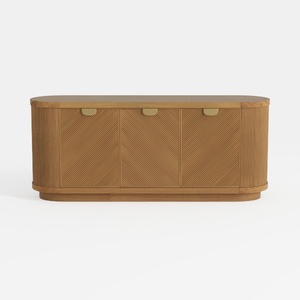
Modern Minimalist Solid Wood Fluted Sideboard with Brass Accents 3D Model
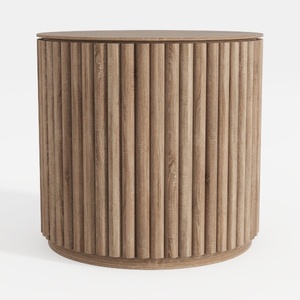
Homestyler is the ultimate online platform for home design! With its user-friendly design tool, stunning 3D renderings, a wealth of design projects, and informative video tutorials, it empowers you to effortlessly create and visualize your dream spaces—perfect for both novices and pros alike!
立即免费设计
































