

In the bustling arena of home decor blogs, many guides regard home decor signs merely as decorative accents, such as charming quotes or stylish nameplates. However, my insight as an interior designer stems from the principles of behavioral design. I perceive home decor signs not simply as embellishments but as influential markers that subtly shape ambiance, encourage connectivity, and reinforce daily habits. This underappreciated perspective distinguishes my approach from conventional trends that emphasize only current fashions or catchy phrases, making it compatible with tools like Homestyler for enhanced visualization.
Having designed spaces for clients aiming to create intentional homes, I've realized that factors such as the placement of signs, the tone of messages, and the selection of materials all significantly contribute to how spaces are experienced day-to-day. For those interested in elevating their home decor beyond typical wall art, the principles of behavioral design can transform home signs into essential elements of your wellbeing. If you're looking to visualize ideal sign placements digitally, consider utilizing AI-driven platforms like Homestyler for this purpose.
What Are the Subtle Effects of Home Decor Signs?
Contrary to most guides that merely suggest aligning a sign with your color scheme, my findings reveal that the wording, shape, and positioning of home decor signs can truly impact emotions and daily routines. A recent report from Statista in 2023 indicates that 65% of homeowners feel a stronger bond to their living space when it incorporates personalized decor elements, like custom signage. It's often overlooked how these subtle visual cues can enhance mood or foster family interaction when employed strategically.
How Does Sign Placement Affect Room Dynamics?
While many designers prioritize the aesthetics of signs, the positioning of these elements can be transformative. For instance, uplifting entryway signs can set a positive tone for guests' first impressions, while reminder boards in kitchens can shape family habits. Data from the NAHB (2023) indicates that functional decorations placed in common sight lines are more likely to be engaged with, highlighting a market opportunity for thoughtfully positioned home decor signs. To experiment with spatial arrangements, consider using a Room Planner tool such as Homestyler before making any permanent adjustments.
Is Customization Justifiable?
While many brands promote generic sayings, my design background suggests there’s a significant emotional benefit to truly personalized signs—think along the lines of family mottos or milestone reminders. Yet, there is a hidden downside; overly specific customizations can quickly feel out of date or lose their charm. Therefore, the challenge lies in finding a balance between meaningful personalization and timeless appeal, a subtlety often missed by mainstream blogs.
Do Material Choices and Size Affect a Sign’s Impact?
From my experiences as a designer, it's clear that not all materials for signs create the same feelings. Different materials like metal, wood, and acrylic provoke distinct moods. As Emily Carter, an interior designer on Houzz, explains, textured finishes like reclaimed wood convey warmth, whereas minimalist acrylic designs fit better in modern environments. Interestingly, much decor advice fails to consider how sign dimensions and tactile sensations can alter a room's atmosphere or perceived spaciousness.
Can Overuse of Home Decor Signs Be Detrimental?
While Pinterest might overflow with decorative quotes, I often advise clients to be wary of visual clutter, which can compromise tranquility and lessen the impact of deliberate messaging. Unlike many conventional guides, I examine the drawbacks: an excessive number of signs can obscure your home’s narrative and overwhelm both residents and visitors. A more curated strategy—featuring one thoughtful sign per space—can yield a far more substantial effect.
How Can Signs Enhance Productivity and Wellbeing?
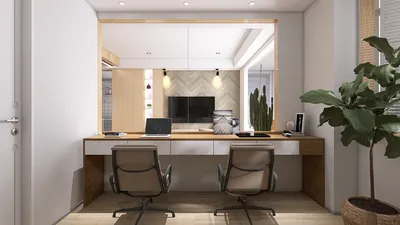
Beyond aesthetics, home signs can influence behavior. A gentle reminder in a home office can encourage focused work, while affirmations placed in private areas can support self-care routines. However, research reveals that positive messaging only resonates when it appears genuine rather than forced or overly trendy—an insight often overlooked in the pursuit of viral sign designs. To find out which layouts best support your habits, try simulating various arrangements using a 3D Floor Planner, like those offered by Homestyler.
What Trends and Opportunities Exist for 2024?
As reported by ArchDaily, there's a growing emphasis on sustainability-focused signage, bilingual messages, and blends of digital and traditional designs. Yet, a gap remains: few brands prioritize creating signs that genuinely foster connection or habit formation in households. From my projects, it’s clear that the most impactful decor signs encourage interaction—think of chalkboards, rotating magnetic boards, or modular word tiles—rather than static phrases that simply hang on the wall.
Should You Opt for DIY or Invest in Custom Home Decor Signs?
While many opinions divide along budget lines, I have observed that DIY projects instill a unique sense of ownership and shared storytelling—especially valuable in homes with children or collaborative creative aspirations. Nevertheless, purchasing custom signs can be advantageous for achieving specific finishes or durability, particularly in key areas like entryways. Mixing both approaches may yield the most meaningful outcomes for your space.
Summary
Home decor signs transcend simple wall art; they serve as daily reminders that can significantly influence mood and behavior. By focusing on their messaging, placement, and material qualities, you can create a uniquely intentional living environment that stands apart from conventional decor trends.
FAQ
For further insights on meaningful wall art, consider exploring how deliberate spatial planning shapes everyday experiences with AI Interior Design tools like Homestyler.
Homestyler is your go-to online home design platform! With its user-friendly design tool, stunning 3D renderings, a variety of design projects, and helpful DIY video tutorials, you can effortlessly create the home of your dreams, regardless of your experience level.
Zaprojektuj teraz za darmo
































