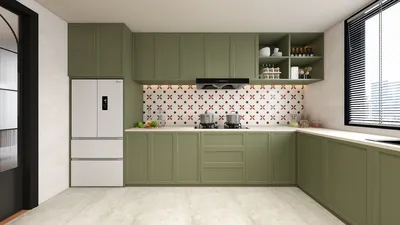


ArcGIS Pro has transformed the landscape of geospatial analysis with its cutting-edge visualization capabilities, particularly through the utilization of 3D models. These models empower GIS professionals to represent reality with greater precision, thereby enhancing the interpretation and communication of spatial data. Within ArcGIS Pro, users can leverage 3D models to visualize elements such as buildings, infrastructure, terrain, vegetation, and expansive urban environments. These representations are more than just compelling visuals; they serve as vital instruments for scenario planning, line-of-sight evaluations, and comprehensive impact assessments. For instance, urban planners can deploy 3D models to simulate the potential shadowing effects of new constructions or examine their compatibility with the present environment. Environmental analysts also utilize these advanced visual tools for terrain analysis, which allows for more accurate computations regarding watersheds, slopes, and elevation levels. As a designer, I often reflect on how digital visualization tools enhance not only artistic clarity but also practical insight. The meticulous placement and manipulation of 3D elements in ArcGIS Pro remind me of my experiences with interior design projects, where the dynamics of spatial relationships and perspective significantly influence the overall experience. Integrating sophisticated design tools into your workflow—like those providing comprehensive 3D rendering capabilities—can enhance both the aesthetic quality and functional depth of your spatial projects, offering stakeholders a richer and more immersive exploration of envisioned spaces through resources like Homestyler.
Tips 1:
For newcomers, it's beneficial to start by importing existing 3D models from public repositories or utilizing the built-in resources within ArcGIS. Begin by visualizing straightforward structures such as buildings or bridges to grasp model handling before advancing to intricate urban or environmental maps. Additionally, experiment with lighting and material settings to enhance the realism and informativeness of your models.
FAQ
Q: Can ArcGIS Pro import models from external 3D modeling software?
A: Yes, ArcGIS Pro is capable of importing various 3D file formats including COLLADA (.dae), OBJ, and multipatch features, which makes it compatible with models created in tools such as SketchUp, Blender, and others.
Q: What practical analyses benefit from 3D modeling in ArcGIS Pro?
A: Analyses such as shadow studies, line-of-sight evaluations, volumetric calculations, and landscape impact assessments are greatly enhanced through the use of accurate 3D models.
Q: Are there built-in libraries of 3D objects available in ArcGIS Pro?
A: ArcGIS Pro comes with a selection of basic 3D models, and Esri's Living Atlas offers access to more advanced scene layer packages and assets for immediate application.
Q: Can real-world data be converted into 3D models in ArcGIS Pro?
A: Absolutely. Users can extrude 2D data, load LiDAR datasets, or create 3D surfaces from elevation rasters to generate accurate representations of real-world conditions.
Q: How does the use of 3D models in ArcGIS Pro support collaboration?
A: 3D scenes and models can be securely shared via ArcGIS Online or Enterprise, enabling stakeholders to interactively engage with spatial data and scenarios.
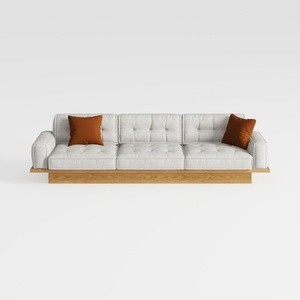
Modern Solid Wood Frame Tufted Fabric Three Seat Sofa 3D Model
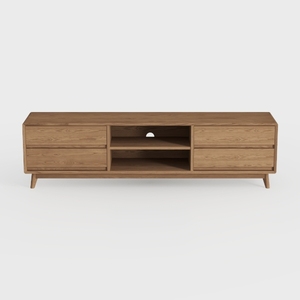
OKD TV Stand for 75+ Inch TV, Mid Century Modern


Modern Rattan Solid Wood Linen Upholstered Chaise Lounge 3D Model
Discover the ease of home design with Homestyler! This fantastic online platform offers an intuitive design tool, stunning 3D rendering, and a wealth of design projects along with helpful video tutorials. Perfect for turning your creative ideas into reality effortlessly!
Desain sekarang Gratis
































