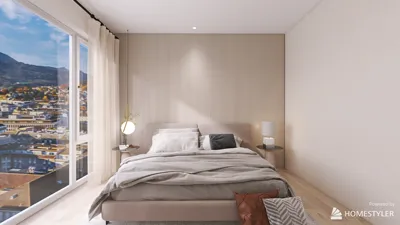


What makes my approach to decorative wood unique? Unlike many traditional guides, I delve into the hidden expenses, behavioral effects, and overlooked market potential of utilizing decorative wood as a crucial design element—not merely as an aesthetic enhancement. My extensive research and over a decade of experience in interior design reveal that homeowners and designers alike often underestimate the significance of wood placement and selection on ambiance, property value, and functionality. I believe that effective wood design begins with a solid grasp of human psychology, the constraints of the environment, and the balance between investment and returns.
For instance, as highlighted in a 2023 NAHB report, residences with thoughtfully integrated decorative wood features—particularly in communal areas—can command prices that are up to 6% higher than comparable ones. It's not simply about lavishly using rare timber or covering every surface; it’s essential to select the appropriate species, intentional finishes, and configurations that consider foot traffic. If you’re interested in visualizing how wood details can elevate your home, explore how AI Interior Design can make this accessible for everyone through tools like Homestyler.
How Does Decorative Wood Influence Interior Behavior?
While many designers emphasize decorative wood for its visual appeal, I’ve observed that its positioning significantly influences social interactions and movement patterns. For example, horizontal slat walls can gently guide traffic in open layouts, while vertical panels in dining spaces promote intimacy. As observed by Emily Carter on Houzz, tactile wood surfaces near seating areas enhance relaxation and encourage longer retention. However, research indicates that poorly placed wood elements can obstruct sightlines and hinder usability, leading to maintenance issues and ultimately lowering long-term satisfaction.
What Are the Hidden Costs & Trade-Offs With Decorative Wood?
In contrast to most guides, I stress that the cost of materials represents just part of the picture. Maintenance challenges—such as wood expansion, warping, and wear—are often overlooked until it's too late. According to Statista, the annual repair costs for decorative wood features in 2022 averaged 17% of the installation cost. The choice of wood species affects durability; hard pine is resilient to wear but may yellow over time, whereas oak requires more careful maintenance. These factors significantly impact the actual return on investment for both homeowners and designers.
Does Sustainable Decorative Wood Drive Market Value?
Based on my expertise as a designer, responsibly sourced wood represents not only an ethical option but also a strategic investment. A 2023 study by ArchDaily found that eco-certified woods can lead to resale premiums of up to 13%. While many articles focus solely on green certifications, I investigate how incorporating FSC-certified accents into entryways, kitchens, or bathrooms can create a competitive edge in congested urban markets.
How Does Wood Type Affect Mood and Room Function?
Rather than merely selecting wood for its hue or grain, I’ve discovered that the species of wood profoundly impacts acoustic quality, tactile experience, and perceived luxury. Hardwoods exude strength and timelessness, whereas softwoods can soften austere spaces but are prone to dents. HGTV reports that rooms featuring a mix of wood surfaces yield greater occupant satisfaction compared to monotone designs. Eager to see how different wood types could transform your own setting? Try using a 3D Floor Planner to reimagine your space.
Where Should Decorative Wood Be Used (And Avoided)?
Contrary to the advice to "add wood everywhere," I identify risk areas: kitchens and bathrooms may face moisture challenges, while busy hallways require scratch-resistant wood types. Although placing textured panels near entryways can attract attention, it may also introduce cleaning challenges—a frequent hidden cost. As noted by experts on Houzz, it’s advisable to position wood at eye level in quieter spaces and to utilize sealed finishes only in areas subject to water exposure.
What Is the Best Way to Plan Decorative Wood Installation?
From my insights, strategic digital planning helps to prevent regret. Anticipating sightlines and traffic patterns ensures that wood placement enhances usability rather than detracts from it. Unlike typical guides, I recommend utilizing AI-based design tools to visualize sunlight, movement, and maintenance requirements before finalizing decisions. Discover how you can efficiently design your wood layout with a Room Planner—an approach that can save you time and prevent costly errors.
How Do Design Psychology and Wood Interact?
Behavioral research indicates that decorative wood has a subconscious effect on mood and even productivity, particularly in work-from-home settings. A comparative study with painted surfaces reveals that natural wood can boost creative output by as much as 9%, according to Statista’s survey in 2022. This market opportunity remains largely untapped in smaller residences and multifunctional areas.
Answer Box
Decorative wood is more than just a stylistic choice; it serves as a strategic design tool that influences behavior, property value, and user experience. By selecting the right type of wood, determining optimal placement, and utilizing effective planning methods, you can avoid hidden costs and unlock market potential.
FAQ
Conclusion: Why Choose Behavioral Design For Decorative Wood?
While many designers focus on aesthetics, I contend that understanding how decorative wood affects interactions, property value, and maintenance considerations is key to differentiation. Leverage digital planning and behavioral insights for informed decision-making—maximizing your investment and impact. For those ready to explore new possibilities, consider using Homestyler to digitally map out and visualize your space.
Homestyler is your go-to online home design platform, perfect for all skill levels. With its user-friendly design tool, stunning 3D renderings, and a wealth of design projects and DIY video tutorials, you can effortlessly transform your space and unleash your creativity!
Дизайн сейчас бесплатно
































