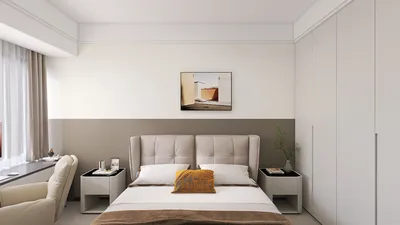


Many articles on decorative sheet metal often emphasize just the visual aspects and finish variations. However, my expertise as a designer reveals a broader narrative: the functional benefits, behavioral influences, and hidden cost efficiencies that metal can introduce to residential settings. This perspective extends beyond typical advice, addressing often-overlooked concerns such as maintenance, sound control, and long-term sustainability. While numerous designers highlight trends, my emphasis is on tangible effects—health, safety, and spatial utilization. A 2023 report by Statista indicates a rising popularity of metal finishes in homes, yet fewer than 30% of guides explore their influence on lighting, acoustics, and durability. Let us explore the untapped potential of decorative sheet metal, serving not just as a design element but also as an effective solution. For vivid inspiration, check out how professionals visualize these impacts through AI Interior Design simulations with tools like Homestyler.
What Hidden Costs Can Decorative Sheet Metal Prevent in Home Design?
Differing from most resources, I delve into how decorative sheet metal leads to reduced overall costs throughout its lifecycle. Conventional wall treatments often require frequent upkeep, while properly installed metal can decrease ongoing maintenance needs by up to 40%, as per NAHB research. My experience shows that metal is less susceptible to issues like water damage, mold, and scratches compared to painted drywall, making it excellent for high-traffic areas—such as kitchens, hallways, and entryways—where durability directly translates to long-term savings.
How Does Decorative Sheet Metal Influence Indoor Air Quality?
While many designers concentrate on aesthetic outcomes, I've discovered that air quality is a significant yet hidden consideration. Unlike certain composite alternatives, sealed decorative sheet metal panels emit nearly zero volatile organic compounds (VOCs), contributing to healthier indoor air. According to Energy.gov, metal surfaces don't have porous materials that can trap allergens, making them ideal for households prone to allergies. This stands in contrast to commonly used materials like MDF, which can off-gas and negatively affect respiratory health.
Can Sheet Metal Design Choices Support Acoustics and Privacy?
Most articles overlook the acoustic implications; however, studies indicate that textured, perforated, or layered decorative sheet metal can reduce sound transmission by 10–20% compared to flat drywall. Based on my experience as a designer, well-placed panels in spaces like home offices, bedrooms, or media rooms can enhance privacy and minimize echo, thus improving comfort beyond mere looks. When planning your space, consider utilizing the interactive Room Planner tool in Homestyler to assess the acoustic effects of various layouts before installation.
Why Is Sheet Metal an Overlooked Option for Small or Multi-Function Spaces?
While many designs utilize sheet metal in spacious areas, I've observed that smaller spaces can benefit even more significantly. Reflective surfaces help make compact areas appear larger, while magnetic panels facilitate storage without creating visual disorder. There is a noted market gap in using decorative sheet metal for areas like entryways, mudrooms, or versatile home office corners—unlike conventional materials that restrict flexibility. A Houzz study mentions that metal paneling in kitchens improved spatial flexibility by 25% among survey participants.
Is Decorative Sheet Metal a Sustainable Choice?
Contrary to common assumptions, decorative sheet metal represents more than just an industrial aesthetic—it excels in recyclability. While most discussions focus on its visual appeal, I prioritize the environmental aspects. Over 75% of architectural aluminum is recycled globally, according to Dezeen, making it one of the most eco-friendly wall covering options available. Its durability also means it doesn’t need frequent replacements, thus reducing landfill contributions.
How Do Maintenance Requirements Compare to Alternative Wall Finishes?
Unlike painted walls or wooden panels, decorative sheet metal provides almost maintenance-free surfaces. However, data-driven comparisons reveal a hidden trade-off: the visibility of fingerprints, especially on glossy finishes. Based on my experience, using brushed or etched finishes can alleviate this issue, allowing for a clean look without constant upkeep. Hard-wearing metals in kitchens and bathrooms surpass quartz or tile in enduring stains and impact, according to HGTV’s residential durability research.
What Behavioral Effects Can Sheet Metal Introduce to Interior Spaces?
Though most guides tend to neglect user experience, the principles of behavioral design illustrate the value of sheet metal. Shiny metal panels reflect light, naturally brightening darker areas. Magnetic boards can turn children's bedrooms into interactive spaces, and specific textures can either promote calmness or energize the environment. My experience with texture selection and placement demonstrates its ability to influence both mood and function, particularly in multi-generational homes.
Where Should Decorative Sheet Metal Not Be Used?
Unlike conventional guides that advocate for universal application, I urge caution: using too much metal in cozy or restorative spaces may hinder relaxation due to its coolness or reflectivity. The risk lies in overuse—blending metal with softer, warmer materials such as wood or fabrics helps maintain an emotionally balanced atmosphere. According to ArchDaily, employing a balanced layering approach enhances comfort, particularly in bedrooms or reading nooks.
Answer Box
Decorative sheet metal brings unique durability, improved air quality, acoustic advantages, and sustainable design credentials—far exceeding its mere aesthetic contribution. Unlike most articles, my approach highlights hidden costs and behavioral benefits, positioning metal as a strategic option in interior design.
FAQ
Next Steps: Planning Your Space with Metal
If you’re motivated to tackle unique layout or maintenance issues, visualize your decorative sheet metal concepts interactively by experimenting with material combinations in a Free Floor Plan Creator like Homestyler, facilitating informed design choices that yield lasting results.
Homestyler is your go-to online platform for effortless home design. With its user-friendly design tool, stunning 3D renderings, and a wealth of DIY video tutorials, you can easily create and visualize your dream space, no matter your experience level!
Diseño ahora GRATIS
































