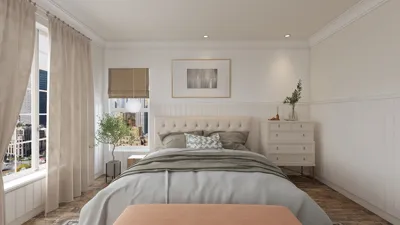


Launched by Microsoft in 1995, the 3D Movie Maker has become a favorite for its accessible design and animation capabilities. Yet, many users desire the ability to import custom models, a feature that proves to be both essential and challenging. Officially, this nostalgic software only supports its unique .3mm and .act file formats for both models and actors. Although the pathway to importing custom models can be complicated, the community has developed various mods and tools to facilitate this process. To start, it's crucial to understand the limitations and structure of 3D Movie Maker. You will require third-party applications such as Blender for model conversion and specific utilities tailored for 3D Movie Maker, like 3DMM Studio or the Actor Converter. The workflow generally follows these steps: 1. **Create or download a 3D model**: Utilize software like Blender or obtain models from online repositories. 2. **Adjust the model for compatibility**: This may involve simplifying geometry, minimizing texture complexity, and exporting to a suitable format, often .obj. 3. **Convert the model**: Use community-developed tools to transform your .obj or .3ds files into .3mm or .act formats supported by 3D Movie Maker. 4. **Import into 3D Movie Maker**: Ensure the new model files are placed in the correct program directory and test them within your scenes. Be mindful that 3D Movie Maker has strict limitations on polygon counts and texture sizes; exceeding these thresholds might lead to crashes or visual glitches. Regularly check community forums and documentation for the latest tools and conversion guidelines. As an interior designer, I find parallels between model conversion and reimagining virtual spaces: the transformation of foundational materials to fit specific environments requires both creative insight and technical skill. Just as tools for model conversion have evolved, so too has design technology—today, designers can effortlessly visualize new furniture arrangements or layouts using platforms such as Homestyler, facilitating a fluid transition from concept to reality.
Guideline 1:
Before dedicating significant time to model conversion, consider sketching your envisioned scene and objects. This strategy will streamline the technical process, clarifying which models might require simplification to perform optimally in 3D Movie Maker.
Frequently Asked Questions
Q: Can 3D Movie Maker directly import various 3D file formats?
A: No, it only accepts .3mm and .act files; all other formats necessitate conversion.
Q: What community tools are available for model conversion?
A: Popular tools include 3DMM Studio and Actor Converter that assist in format bridging.
Q: Are there any constraints regarding model complexity?
A: Yes, models should maintain low polygon counts and straightforward textures to prevent crashes.
Q: Is it feasible to animate custom models after importing them?
A: Yes, animations are possible, but they must conform to the program’s predefined patterns and may be less advanced than contemporary standards.
Q: Where can I seek additional resources on 3D Movie Maker modding?
A: Community forums and specialized modding websites provide tutorials, updated tools, and support for troubleshooting.
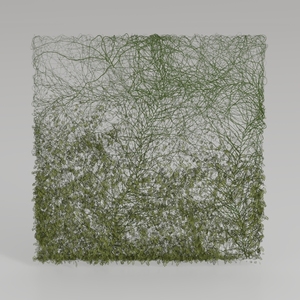
Natural Green Vine Wall Panel Decorative 3D Model
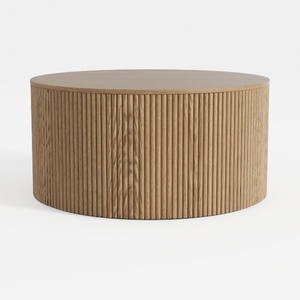
Minimalist Fluted Solid Oak Round Coffee Table 3D Model
Discover the joy of home design with Homestyler! This user-friendly platform features an intuitive online design tool, stunning 3D renderings, and a wealth of design projects and DIY video tutorials. Bring your dream space to life and unleash your creativity effortlessly!
Design Now for FREE
































