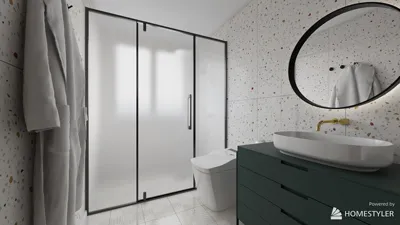


Designing a bathroom with universal design principles is vital for ensuring that spaces remain accessible and functional for individuals of all ages and abilities. This article delves into effective bathroom floor plans that prioritize usability and comfort through universal design.
Exploring Universal Design Concepts
Universal design aims to create environments that are approachable and usable by everyone, minimizing the need for adjustments. Some fundamental principles include:
Leveraging Open Floor Plans in Universal Design Bathrooms
Implementing open floor plans is one of the best strategies for achieving universal design in bathrooms. This approach fosters a spacious atmosphere that facilitates effortless movement. Important components to consider include:
Incorporating Versatile Features
Incorporating versatile features significantly boosts the functionality of a universal design bathroom. You might want to think about:
ADA Compliance and Essential Considerations
For bathrooms that serve public use or must adhere to specific standards, ensuring ADA compliance is of utmost importance. Here are some key considerations:
Frequently Asked Questions
Q: What essential components define a universal design bathroom?
A: Essential components include broad doorways, unobstructed floor space, curbless showers, comfort-height toilets, and strategically placed grab bars.
Q: How can I enhance accessibility in a compact bathroom?
A: To optimize a small bathroom's accessibility, consider using space-efficient fixtures, wall-mounted vanities, and multifunctional elements like foldable shower seats.
Q: Why is ADA compliance critical?
A: ADA compliance ensures bathrooms are accessible for individuals with disabilities, fostering an inclusive and safe environment for all.
Homestyler's roots trace back to Autodesk, the global leader in design and engineering software. That heritage lives on in every feature we build. Today, with a community of more than 20+ million users worldwide, Homestyler continues to make professional-quality interior design accessible to everyone — from first-time decorators to seasoned architects.
Discover the No.1 Floor Planner for Your Designs
Design Now for FREE
































