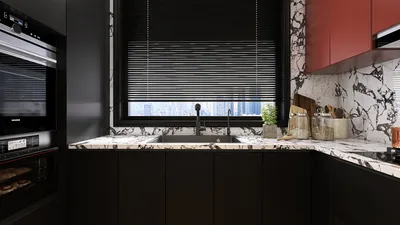


For over ten years, I have undertaken the specification and installation of wallpaper in various living spaces. A persistent set of questions arises: What is the typical cost, and where might I find ways to economize without compromising quality? In brief, wallpaper prices span from budget-friendly vinyl at approximately $1 to $3 per square foot, to high-end options like luxurious grasscloth or silk, which can soar to $8 to more than $20 per square foot. Additionally, professional installation usually adds an extra $2 to $6 per square foot, depending on the intricacy of the job. When outfitting a living room measuring 12'×16' with 9' ceilings and a single accent wall, clients generally invest between $350 and $1,500 total; full coverage across the room can elevate costs to anywhere from $1,800 to over $6,000 based on materials and circumstances on site. Utilizing a tool like Homestyler can assist in visualizing your space to make informed decisions.
It's essential to recognize that comfort and ergonomics within living spaces extend beyond mere furniture selection; the surfaces play a pivotal role. According to research by Steelcase, supportive environmental elements can decrease cognitive strain and heighten perceived comfort in shared areas. This translates into the use of textured, low-glare materials, combined with balanced color schemes that alleviate visual fatigue. Regarding color selection, insights from Verywell Mind suggest that shades of blue and green foster tranquility, while warmer tones can energize a setting—this knowledge is particularly beneficial when selecting the hues for accent walls to effectively influence moods in living spaces. Evidence-driven choices can save you from future costly adjustments.
Lighting and installation standards are instrumental in guiding price estimates. The Illuminating Engineering Society (IES) advises that living rooms should have 10 to 30 footcandles of light, varying according to the activities. Under such lighting conditions, glossy wallpapers may create glare hotspots, prompting a preference for matte or textured alternatives—these finishes, while potentially pricier, are generally more forgiving visually. Installed in spaces with poor lighting or next to sources of glare, the labor involved can increase, explaining the variability in professional costs. If you plan to design a feature wall or wish to experiment with scale before purchasing, leveraging a room layout tool such as Homestyler can be invaluable in modeling dimensions, furniture arrangements, and sightlines, ensuring you calculate the necessary quantities of wallpaper accurately, thus preventing excess.
Identifying the Key Cost Factors for Wallpaper
When estimating wallpaper budgets, I categorize expenses into five primary areas: materials, pattern intricacy, surface preparation, installation, and wastage.
- Basic vinyl and non-woven options: $1–$3 per square foot. These are durable, washable, and suitable for homes with children and pets.
- Mid-range textiles and embossed options: $3–$7 per square foot. They offer greater texture, improved light diffusion, and a broader array of patterns.
- Natural materials (grasscloth, cork, silk): $8–$20+ per square foot. These provide breathtaking texture but may show seams more prominently and require delicate care.
- Special acoustical or performance wall coverings: $6–$15 per square foot. Ideal for zones dedicated to media or acoustically sensitive areas.
Wallpaper with larger repeat patterns (like 24"–36") and intricate alignment can lead to 15% to 35% additional waste, while simpler patterns (such as a 6" repeat) can lower wastage to approximately 10% to 15%. This variation can substantially affect the total amount of wallpaper required for a medium feature wall.
Surface preparation work, including skim coating and patching, can range from an additional $0.75 to $2 per square foot. New drywall with a quality primer is the easiest to work with; textured or previously painted walls may need extra preparation for optimal adhesion and a flawless finish.
Professional installers typically charge between $2 to $6 per square foot. Challenging areas like corners, niches, stairs, and spaces with numerous windows significantly extend labor time.
Plan for a surplus of 10% to 15% for smaller patterns and 20% to 30% for large repeats or rooms with several openings. Attempting to skimp on overage can lead to greater expenses down the line when dye lots alter, and a single replacement roll may not match.
Common Budget Scenarios I Encounter
- A single feature wall of 12' wide by 9' high, using mid-tier non-woven wallpaper with a modest repeat, generally costs between $450 and $900 (covering materials and professional installation).
- Full coverage for a living room measuring 12'×16' with 9' ceilings, featuring two windows and one door, in mid-tier non-woven wallpaper typically ranges from $2,200 to $3,800.
- Complete room treatment using grasscloth, including built-ins and a fireplace, can amount to $4,500 to over $7,500+, largely influenced by material costs and labor associated with intricate areas like corners and reveals.
Design and Performance Aspects Impacting Costs
When outfitted to the IES recommended lighting levels (10 to 30 footcandles), high-gloss wallpapers can highlight seams and flaws, intensifying visibility on walls. Opting for textured matte or woven materials can diffuse light effectively while camouflaging minor surface imperfections and reducing preparation costs. To avoid harsh reflections on televisions and artwork, pair warm-white lighting (2700–3000K) with mid-sheen or matte finishes.
Employ warm, saturated colors in social zones and cooler shades to create calm reading nooks. Very warm and vibrant tones over expansive spaces can feel overpowering after dark; patterned mid-tones tend to achieve a pleasing balance, adding depth without overwhelming the ambiance.
In sparsely decorated living rooms, materials like textiles, cork, and flock can absorb sound, diminishing echo. If a wall is adjacent to a media space, selecting a slightly sound-absorbing wallpaper may enhance spoken clarity by lessening reflections.
Families with children or pets benefit from scuff-resistant vinyl or coated non-woven options. While natural fibers develop an appealing patina, they can be adversely affected by moisture and rough cleaning; therefore, plan for gentler cleaning techniques and embrace the aging process as part of their charm.
Estimating the Number of Rolls Needed and Avoiding Excess Purchases
To estimate rolls, measure the wall height and total linear square footage, deduct the area for large openings, and then adjust for the pattern repeat. For typical non-woven rolls (approximately 20.5" × 33' each), expect to get 3 to 4 drops per roll at 8 to 9 ft ceilings. Larger pattern repeats reduce the number of usable drops per roll. Before placing your order, it’s wise to create a visual model of the wall using an interior layout planner to confirm dimensions and clearances; utilizing tools like Homestyler’s interior layout planner can assist in validating roll counts, particularly in complex spaces with built-ins and fireplaces.
Smart Spending: Prioritizing Expenditures and Finding Savings
- Invest in feature walls and focal areas visible from entry points.
- Expense more on well-lit walls where surface imperfections are easily noticeable.
- Choose materials with intricate seams (like metallics or grasscloth) that require expertise for proper installation.
- For secondary walls shielded from light, opt for simpler, more affordable wallpaper that closely resembles the primary color.
- Select non-woven substrates that facilitate easier installation and removal, ultimately minimizing labor and future renovation costs.
- Implement smaller repeats or random sorts to decrease material waste.
Installation Choices: Professional Services or DIY
Embarking on a DIY project can halve the labor costs, assuming that walls are adequately prepared and that you are comfortable handling plumb lines, seam rollers, and adhesive. I suggest undertaking DIY for smaller, uncomplicated feature walls using standard papers. For textured materials or those involving natural fibers, metallics, staircases, or walls with deep reveals, hiring a professional is advisable to justify the cost.
Comprehensive Budget Planning Steps
1) Clearly define the area covered: whether it's a feature wall or an entire room.
2) Evaluate walls for the required level of preparation (skimming, sanding, priming).
3) Select material tier and finish based on lighting conditions and lifestyle needs.
4) Calculate the number of rolls factoring in pattern repeat along with a surplus of 15% to 30%.
5) Source at least two installation quotes with a breakdown of preparation costs versus hanging costs.
6) Reserve 10% for unexpected needs like extra adhesive, tools, or an additional roll.
Maintenance and Lifecycle Considerations
Vinyl and coated non-woven materials can be cleaned with mild soap and water, while natural materials require dry dusting. Always keep a supply of touch-up paste for seams adjacent to HVAC returns. When you're considering future resale or redesign within the next 5 to 7 years, non-woven types that can be removed in full sheets can save hundreds in labor costs during removal.
Frequent Mistakes Leading to Increased Expenses
- Misjudging waste from pattern repeats, purchasing inadequate rolls, and dealing with dye lot mismatches.
- Situating glossy papers across from windows, resulting in glaring reflections and exposing every minor imperfection.
- Using harsh cleaners on natural fibers can lead to discoloration and premature replacement.
A One-Week Implementation Schedule
- Day 1: Measure, take photographs, and model walls; confirm furniture arrangement and key sightlines.
- Days 2-3: Request samples; evaluate under varying lighting conditions; finalize selection.
- Day 4: Prepare and prime walls.
- Days 5-6: Carry out installation.
- Day 7: Allow for cure time before placing furniture near walls.
Expert Insights
- For comprehensive insights on color and mood associations, refer to Verywell Mind’s color psychology guide.
- Research on environmental comfort and user experience from Steelcase's studies demonstrates how environmental elements impact comfort and mental load. Although these studies focus on workplace settings, the findings are applicable to home environments as well.
Frequently Asked Questions
In a standard 12'×16' living room with 9' ceilings, employing mid-tier non-woven materials alongside professional installation typically costs between $2,200 and $3,800 for full room coverage. A single feature wall will generally run $450–$900. Opting for premium natural materials can increase the material costs significantly.
While paint appears less expensive per square foot initially, wallpaper becomes a competitive choice when seeking depth and texture that paint techniques may not offer. Wallpaper often maintains its visual appeal longer before needing a refresh.
Scuff-resistant vinyl or coated non-woven materials are ideal; they withstand scuffs and clean easily with mild soap. It's best to avoid delicate natural fibers in areas subject to heavy wear.
Under typical living room lighting of 10 to 30 footcandles (as recommended by IES), high-gloss wallpapers can create glare. Choosing matte or textured finishes can help diffuse light and disguise any surface flaws, particularly across from windows or lamp clusters.
For a wall sized at 12'×9', using standard 20.5"×33' rolls, plan for 3 to 4 rolls for small repeats and 4 to 5 rolls for larger patterns, including a surplus of 15% to 25%. Always verify the manufacturer's details regarding pattern repeats and usable coverage.
Light textures may show through, so prepare for skim coating and priming to achieve a smooth and sealed surface. This process enhances adhesion and seam quality, minimizing the need for repairs.
Yes, both materials are prone to showing seams and tool marks, necessitating thorough handling. Professional installers are skilled in managing alignment and trimming around reveals, ensuring your investment is safeguarded.
Consider choosing an eye-catching feature wall opposite the main entry or behind the sofa. Opt for a mid-tier non-woven with a small repeat or random match pattern to effectively reduce waste and installation effort.
Incorporating textiles, flop, or cork wallcoverings can help absorb sound, reducing echo in minimally furnished spaces. Pairing these with rugs, curtains, and soft furniture can yield significant enhancements in acoustic comfort.
Order all wallpaper rolls simultaneously from the same batch and include a 15% to 30% surplus for large repeats. It's wise to keep one spare roll for any future repairs that may be required.
Under regular conditions and with proper care, non-woven and vinyl papers can last anywhere from 8 to 15 years. Although natural options can match this lifespan, they do age differently; manage moisture and harsh cleaners to prolong their durability.
Many contemporary non-woven materials can be removed in one piece from properly primed surfaces. However, vinyl may necessitate scoring and soaking for removal. Good preparation saves considerable time when it’s time for future renovations.
Neutral and nature-inspired palettes, such as greens and blues, have broad appeal and provide a soothing atmosphere, while high-contrast or very warm hues can energize social spaces. Referencing color psychology summaries can help align color choices with your objectives and target buyers.
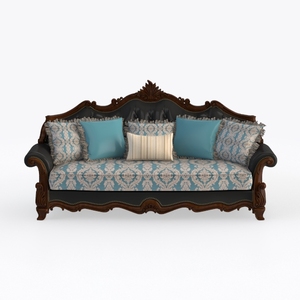
Vintage Solid Wood Leather Fabric Three Seater Sofa 3D Model

Farmhouse Two Tone Solid Wood Coffee Table 3D Model
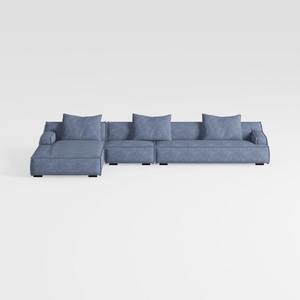
Minimalist Blue Fabric L-shaped Sectional Sofa 3D Model
Discover Homestyler, your go-to online home design platform! With an intuitive design tool, stunning 3D renderings, diverse design projects, and easy-to-follow video tutorials, it's never been easier to transform your home into your dream space. Start creating today!
Design Now for FREE
































