

Understanding venue costs is crucial for planning a successful event without unnecessary stress. Having organized numerous corporate events, weddings, and community functions, I've realized that the foundation of a solid budget hinges on effectively managing capacity, time slots, and available services. Research from Gensler indicates that spatial efficiency and appropriate capacity directly influence the perceived quality of an event; layouts that facilitate clear movement can enhance attendee satisfaction scores by as much as 15% in follow-up surveys, according to their Workplace Performance studies. Additionally, the WELL v2 framework points out that aspects like acoustic control and lighting quality are essential for comfort, where adhering to guidelines on glare and sound can significantly reduce attendee fatigue by 20-30% during standard conference durations.
Setting a price for any function hall involves variables that you can influence. Based on my experience, the major cost factors include guest count, the day of the week, the booking lead time, and the scope of AV and catering services. Research by Steelcase relates environmental quality to engagement—events held in environments with optimal task lighting and minimal ambient noise experience better attention spans and longer attendee engagement, effectively justifying the investment in quality lighting and sound solutions. According to IES standards, the recommended lighting levels for banquets typically range from 150-300 lux for ambient light to 500-750 lux for more focused areas, which can affect your venue choices if you need upgraded lighting. Keep in mind, if you're considering enhanced lighting packages or acoustic panels, expect a slight increase in costs, but the benefits they deliver to guest experience are often disproportionately high.
Understanding Typical Cost Structures and Pricing Influences
While each venue has its pricing guide, the cost structure for function halls typically includes: a base rental fee for 4-8 hour usage, security and cleaning charges, tiers of AV packages, optional décor, and catering minimums. Premium rates usually apply during weekends and peak seasons (May–June, September–December). For instance, a wedding reception on a Friday evening will be pricier than a midweek seminar. Many venues offer tiered packages—Essential, Standard, and Premium—starting from room-only options and expanding to full-service packages that include décor, AV technology, staging, and coordinating support.
Evaluating Capacity, Layout, and Additional Cost Factors
Overcrowding a venue can lead to discomfort, while underutilizing space can inflate costs per person. I strive for a guest-to-square-foot ratio that allows clear pathways of 1.2–1.5 meters for ease of movement, along with buffer spaces at entry points and service areas. For banquets, I find a target density of 10–12 square feet per guest works well when paired with strategically placed service aisles. If you shift between main and breakout sessions, consider the impact of changeover time and labor requirements. Utilizing a room layout tool helps to visualize tables, staging, buffet setups, and AV zones before finalizing the plan, potentially reducing setup time and additional staffing expenses.
Lighting and AV: Enhancing Comfort, Clarity, and Cost Efficiency
Lighting setups usually start with overall ambient lighting, then incorporate dimmable zones, focused spotlights, and color washes for ambiance. The IES suggests managing glare while ensuring vertical illumination for faces—this is especially important for presentations and photography. Expect pricing to depend on the number of fixtures or zones involved. AV packages generally include microphones, mixers, speakers, as well as projection equipment. Make sure to clarify the specific fees: for individual wireless microphones, extra monitors, signal distribution, and technician hours on-site. If your event requires livestreaming, verify the necessary bandwidth and potential charges for dedicated internet access or backup streaming setups.
Addressing Acoustics and Noise Management
Hard surfaces can create excessive reverberation, making it difficult to hear and increasing stress levels. If the venue is spacious and has reflective surfaces, request soft acoustic enhancements or temporary panels. The WELL v2 framework highlights the importance of speech clarity; simple solutions—a few linens, carpets, and drapes—can often improve sound without significant expenses. Set aside a budget for a sound check and an additional hour with the AV technician to adjust the audio settings and speaker arrangement.
Understanding Catering Minimums and Bar Pricing
Many venues work with preferred caterers and establish minimum spend requirements based on the number of guests. Confirm whether the minimum spend pertains solely to food or if it includes drinks as well. A hosted bar could be charged per person at a fixed rate or based on consumption. To manage costs, ensure that the pace of service aligns with the event schedule; controlling drink service during speeches can help keep budgeting on track and maintain focus.
Décor, Staging, and Event Flow Considerations
Staging directly impacts visibility; for up to 150 guests, a stage height of 12–18 inches is recommended, with 24 inches for larger crowds, ensuring there's accessible ramp access for inclusivity. Be mindful of aisle placements to align with exits and service pathways. The complexity of décor affects overall costs—elements like centerpieces, lounge seating, and feature backdrops enhance visual appeal but should not obstruct circulation. I often utilize an interior layout planner, such as Homestyler, to prototype designs, ensuring that focal points harmonize with the room while maintaining open traffic areas.
Optimal Scheduling and Booking Strategies
Timing is essential. Securing a venue 6–9 months in advance for peak periods generally results in favorable rates and more customizable packages. Booking midweek can yield savings of 10–25% compared to prime Saturday dates. Always inquire about load-in/out schedules and whether late-night setups incur additional labor charges.
Checklist for Reliable Quotes
- Base rental hours and overtime rates
- Security, cleanup, and insurance stipulations
- AV inclusions and associated technician hours
- Specifications for lighting zones, dimming, and effects
- Catering minimums and vendor coordination costs
- Bar pricing structure based on headcount or consumption
- Décor stipulations and relevant rigging points
- Deadlines for floor plan approvals
- Load-in/out timelines and available storage
- Options for parking, valet, and shuttle services
Negotiation Strategies that Enhance Experience without Sacrificing Quality
- Opt for shoulder dates to lessen rental costs.
- Exchange elaborate décor for superior lighting or acoustic packages that boost comfort.
- Consolidate your AV requirements into a single technology package to avoid redundant charges.
- Prioritize appropriately sized seating to preserve honesty in capacity and service rates.
Proposed Budget Guidelines
Every event has its unique elements, but a well-rounded budget distribution could look like this: 20–30% for venue rental, 35–45% for catering, 10–15% for AV and lighting, 5–10% for décor, and around 10% for staffing and contingencies. Adjust these figures based on the event's specific focus—if your agenda is centered on keynote speakers, allocate more for AV, while social events might lean heavier towards décor and beverages.
Concluding Thoughts
Having clarity on capacity, lighting, acoustics, and service options will ensure that Raj Mahal’s pricing remains transparent, enhancing the guest experience. The most efficient plan integrates room layout, technical support, and scheduling in a way that complements your program's flow—strategize wisely, stage intentionally, and allow quality lighting and sound to elevate your event.
Frequently Asked Questions
Q1: What is the primary factor influencing function hall pricing?
A: Peak dates and guest capacity. Weekend events during high seasons combined with larger groups lead to increased base rental and labor costs.
Q2: How do varying lighting conditions impact my budget?
A: While basic ambient lighting is frequently included, task and feature lighting results in additional costs. Consulting the IES-recommended lighting levels (approximately 150–300 lux for ambient banquet settings) can help you specify only the necessary enhancements.
Q3: Can investing in better acoustics really justify additional expenses?
A: Absolutely. The WELL v2 standards connect acoustic comfort with reduced fatigue and clearer communication. Simple investments in absorbent surfaces or sound panels can greatly enhance understanding and guest satisfaction.
Q4: Is hiring an AV technician essential for smaller gatherings?
A: If your event includes speeches, live performances, or streaming, plan for at least setup and a sound check to ensure everything runs smoothly and keeps on schedule.
Q5: How can I avoid excessive charges for bar services?
A: Align your bar pricing structure to your audience and the nature of the event. Fixed per-head pricing can be predictable; consumption-based might be more cost-effective for shorter events or smaller crowds.
Q6: What’s an optimal seating density for banquet settings?
A: Aim for about 10-12 square feet per guest, ensuring aisles of 1.2–1.5 meters remain clear for effective service and comfort without overcrowding the space.
Q7: How far in advance should I secure a booking?
A: For high-demand seasons, booking 6–9 months ahead is advisable. Midweek dates offer better flexibility and potential savings of 10–25% over Saturdays.
Q8: Where are hidden fees likely to surface?
A: Common hidden fees include overtime charges, additional cleaning, late teardown staffing, along with costs for dedicated internet service, complicated décor rigging, and extra AV equipment (like wireless microphones or signal distribution).
Q9: Can room layout tools effectively reduce costs?
A: Indeed. Utilizing tools to prototype seating arrangements, stage positioning, and service routes minimizes setup adjustments, controls labor costs, and enhances guest flow.
Q10: Should I prioritize décor or AV in corporate events?
A: If your agenda is presentation-focused, prioritize AV and visibility first, while integrating décor that complements the stage without obstructing movement.

Modern Minimalist Black Metal Round Nesting Coffee Table 3D Model
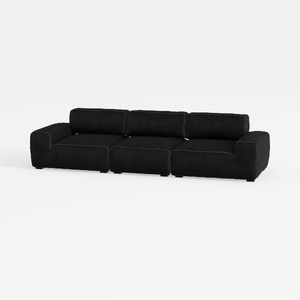

Minimalist Black Fabric Modular Sofa 3D Model
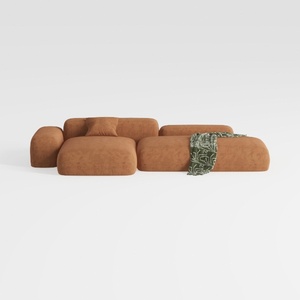
Minimalist Brown Fabric Modular Sectional Sofa 3D Model
Homestyler is an incredible online home design platform perfect for anyone looking to transform their space. With its user-friendly design tool, stunning 3D renderings, diverse design projects, and helpful video tutorials, you can easily create and visualize your dream home. Start designing today!
Desain sekarang Gratis
































