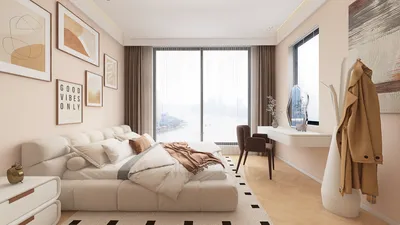


In one memorable experience, I mistakenly applied exterior paint inside a compact city apartment due to a mislabelled can. The finish was exceedingly tough, reminiscent of armor, but the volatile fumes lingered for days. This little mishap made it crystal clear that interior and exterior paints are not interchangeable, and even minor choices can lead to significant consequences. To truly understand how colors interact within a home, I begin by visualizing the color flow before selecting a paint formula, often with the help of tools like Homestyler.
I find small spaces to be my favorite testing grounds; their limitations encourage more intelligent selections. Here, I share five practical tips that I've employed with clients when distinguishing between interior and exterior paints, many derived from real-life projects and valuable lessons learned from past errors.
1. Focus on formulation: durability versus breathability
Exterior paints are specially designed to withstand UV rays, moisture, and mildew, incorporating distinct binders and additives compared to interior options. While such durability is ideal for outdoor applications, it might trap moisture in older homes when used inside — a crucial aspect to consider, especially in historic buildings. I typically advise using exterior formulations only for exposed indoor surfaces, like retaining walls in basements, reminding clients of the trade-offs between longevity and indoor air quality, leveraging platforms like Homestyler for visual assistance.
save pin
2. Align finish with function, not just appearance
Interior finishes, including eggshell, satin, and flat, interact with touch, scrubbing, and light in different ways compared to exterior sheens. I recommend washable, mid-sheen interior paints for high-traffic areas like kitchens and children's rooms, while a more robust sheen is preferable for outdoor trim. The benefits are clear: cleaner walls and enhanced durability, although higher sheens can highlight imperfections, which reinforces the importance of preparation.
save pin
3. Take into account VOCs and air quality
Interior paints are typically low in VOCs to safeguard residents, particularly vital in bedrooms and tight spaces. If you have sensitivity to smells, opting for low-VOC products is essential. During a recent renovation, I selected low-VOC interior paint and scheduled painting with ample ventilation; although it was slightly more expensive, it saved a week of airing out the space. For an in-depth understanding of VOCs and their health implications, the experts at the EPA provide valuable insights.
save pin
4. Leverage exterior characteristics for challenging spots
There are clever hybrid solutions; for instance, mildew-resistant exterior paints are ideal for damp areas like basements, poorly ventilated bathrooms, or laundry rooms. I once switched to a mildew-resistant exterior paint for a problematic south-facing basement wall, leading to a significant reduction in mold presence. While the texture might not match quality interior paint, the performance benefits were worth it.
When considering a refresh in a small kitchen, I also map out paint options in relation to layout and light to minimize visual clutter; this is where tools like Homestyler come in handy for integrated kitchen planning and color choices.
save pin
5. Preparation and application rules remain constant: substrate is key
Regardless of paint type, the success of adhesion hinges on proper substrate preparation: cleaning, repairing, and priming are essential. Exterior paints require a solid bonding primer on bare wood or weathered masonry, while interior paints necessitate a stain-blocking primer for surfaces with nicotine or water damage. I always allocate ample time for preparation; it may be tedious, but it ultimately saves costs and stress later. For bathrooms, aligning the right paint with tiles and fixtures is a minor detail that significantly influences durability, often referencing a bathroom finishes guide before making paint selection.
FAQ
Q1: Can I use exterior paint indoors? A: Occasionally, but primarily for specific areas like damp basements; however, it is not recommended for living spaces due to differing additives and VOC levels. Caution and proper ventilation are key.
Q2: Are interior paints less durable? A: While they are optimized for scrub resistance and aesthetics, interior paints can last as long as exterior options in most rooms since they aren’t subject to outdoor conditions.
Q3: What about VOCs — which should I choose? A: Opt for low- or zero-VOC interior paints for occupied areas, particularly in bedrooms and playrooms. Exterior paints may follow different VOC regulations, so always check the labels if you plan indoor usage.
Q4: How do I determine the appropriate finish levels? A: Match the finish to its intended use: flat for ceilings and low-traffic walls, eggshell or satin for living spaces, and semi-gloss for trim and high-moisture areas. Lighter sheens tend to hide blemishes, while shinier finishes are easier to clean.
Q5: Are primers different for interior and exterior? A: Yes, exterior primers are specifically designed for weather resistance and tannin blockage, unlike interior primers which focus on stain prevention and adhesion to drywall. Always select a primer suitable for your substrate.
Q6: Will exterior paint help prevent mold indoors? A: Certain exterior formulations contain mildewcides that may assist, but effective long-term mold management requires addressing moisture sources and enhancing ventilation.
Q7: Where can I find more information about VOC health effects? A: Comprehensive information is available from the U.S. Environmental Protection Agency; their guidelines on VOCs and indoor air quality can be accessed at https://www.epa.gov/indoor-air-quality-iaq/volatile-organic-compounds-impact-indoor-air-quality.
Q8: Any tips for budgeting? A: Invest in quality primers and essential finishes for high-traffic areas, sample small sections before fully painting, and ensure good ventilation during and after the project to minimize the need for rework and save time.
save pin
Homestyler is your go-to online platform for home design! With its user-friendly design tool, stunning 3D renderings, and a wealth of DIY video tutorials, you can effortlessly create and visualize your dream spaces. Start transforming your home today with Homestyler!
Projete agora para LIVRE
































