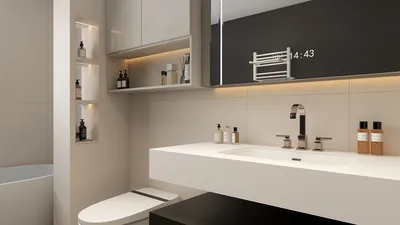


When you talk to ten Kannada speakers about the meaning of 'hall', you'll likely receive a variety of insightful responses. In everyday conversation, the term 'ಹಾಲ್' (haal) is commonly used for living rooms, reflecting a direct linguistic borrowing. In contrast, the more traditional phrase 'ಮನೆ ಮಂಟಪ' (mane mantapa) or simply 'ಬಳಿಸು ಕೋಣೆ/ಒಳಮನೆ' might be preferred in rural or heritage settings. For public spaces, 'hall' aligns with 'ಸಭಾಂಗಣ' (sabhaangana) for assembly areas and 'ಸಮಾರಂಭ ಭವನ' (samarambha bhavana) for venues hosting events. In urban locations like Bengaluru and Mysuru, 'ಹಾಲ್' remains the predominant colloquial term for the primary living area—serving as the social hub of a home where factors like lighting, acoustics, and furniture arrangement subtly influence daily life.
Beyond language itself, the design of a hall is most effective when it fosters both comfort and connection among people. Research supports the notion that optimal environmental factors are vital; for instance, the WELL v2 standard suggests maintaining lighting levels of approximately 200–300 lux for general activities, with task lighting possibly reaching 300–500 lux depending on specific needs. The Illuminating Engineering Society (IES) provides guidelines of 100–300 lux for informal areas, increasing these levels for dedicated reading spots. From a wellbeing perspective, the science of color psychology indicates that warm, muted tones promote relaxation—sensitive hues help create inviting social environments. These insights correlate well with how Kannada families utilize the 'ಹಾಲ್'—functioning as a versatile backdrop for conversation, television watching, religious practices, and informal dining.
Studies conducted on workplaces provide further insights when considering public and community halls. Research by Steelcase shows that environments accommodating various postures and distinct areas significantly enhance perceived comfort and participant engagement. Furthermore, the WELL v2 framework advocates for sound management techniques in multipurpose spaces to mitigate distractions and stress. For extensive 'ಸಭಾಂಗಣ' facilities, achieving good speech intelligibility (STI of 0.6-0.75) along with reverberation times between 0.6-1.0 seconds is crucial for events focused on oral communication. These principles guide practical implementations: from using sound-absorbing materials to establishing zoned lighting and ensuring intuitive flow throughout the space.
Key Kannada Interpretations of 'Hall'
- Household living room: 'ಹಾಲ್' (haal), a term frequently used in urban residences and villas.
- Traditional or gathering space in a home: 'ಮನೆ ಮಂಟಪ' (mane mantapa), depending on cultural customs and architectural traditions.
- Assembly or event hall: 'ಸಭಾಂಗಣ' (sabhaangana) for civic, educational, or institutional venues; 'ಸಮಾರಂಭ ಭವನ' (samarambha bhavana) for special occasions and receptions.
- Entryways or spacious foyers: often referred to as 'ಮಂಟಪ/ಮುಂಭಾಗ' (mantapa/mumbhaaga), serving as thresholds or semi-public areas in larger or traditional homes.
Residential Hall ('ಹಾಲ್'): Space, Light, and Flow
In a standard apartment in Karnataka, the hall acts as the centerpiece for family interactions. My focus is on establishing a clear blueprint for activities: a cluster for conversations, a media feature wall, and adaptable space for dining or ceremonial activities. In many cultures, the visibility of the kitchen plays an important role; employing an open or semi-open partition can effectively manage cooking aromas while maintaining a sense of social connectivity. If you're considering layouts, a user-friendly layout simulation tool like Homestyler can aid in assessing seating arrangements, walkway dimensions (a minimum of 900–1100 mm for comfort), and optimal viewing distances for televisions (1.5–2.5 times the screen diagonal for 4K displays).
Public 'ಸಭಾಂಗಣ': Acoustic Quality and Audience Comfort
Assembly halls excel when there's clarity and ease of navigation. I strive for a balance between durable hard surfaces and sound-absorbing features on ceilings and back walls. For occasions driven by speech, it is essential to aim for a reverberation time of approximately 0.8 seconds in mid-sized rooms, and strategically placed diffusers can mitigate flutter echoes. Consider employing double-layer blackout and sheer curtains for adaptable lighting control, and design aisles that are 1,000–1,200 mm wide, with accessible seating pockets integrated into the mid and front rows for equitable access.
Lighting Environment: Brightness, Color, and Glare
- Ambient: 200–300 lux for living halls; 300–500 lux for reading areas (according to WELL v2 and IES standards).
- Color temperature: 2700–3500K in living rooms for warmth; 3500–4000K in public halls for alertness without harshness.
- Glare management: Implement diffusers, louvers, or wall grazing techniques to maintain low Unified Glare Rating (UGR) in seating sightlines. In apartments, consider layering ceiling coves with floor lamps; in 'ಸಭಾಂಗಣ', maintain zoned dimming for different areas such as the stage, audience, and aisles.
Color Psychology in Kannada Homes
Soft terracotta shades, muted greens, and warm neutral palettes foster restorative social experiences, whereas vibrant accents such as indigo and maroon can highlight features like the TV wall or pooja corner. Highly saturated reds might be overstimulating in smaller halls; I reserve these for art displays or decorative textiles. Color schemes influenced by Natyashastra may occasionally guide design for cultural halls, yet I maintain calm base tones and incorporate patterns using rugs and throws to prevent visual fatigue.
Human Factors and Layout Dimensions
- Seating clearance: Maintain a distance of 450-600 mm between the sofa and coffee table; ensure at least 900 mm is left unobstructed behind seating for easy movement.
- TV viewing: Ensure eye-level alignment and a slight downward tilt of 10–15° for wall-mounted displays within compact halls.
- Conversation layout: A primary seating arc of 2.4–3.0 m is effective; adding a movable chair can provide flexibility for guests or elders.
- Storage rhythm: Preparing wall units that are 300–450 mm deep can effectively manage shoes at the entryway and conceal clutter near media areas.
Materials and Environmental Consciousness
In high-traffic halls, I prefer using abrasion-resistant materials (≥30,000 Martindale cycles) and low-VOC paints. For the floors in 'सभा' venues, opt for slip-resistant matte tiles or terrazzo combined with acoustic backing beneath stage platforms. Selecting FSC-certified wood or fast-growing bamboo minimizes environmental impact, while well-sealed veneers withstand humidity in coastal Karnataka gracefully.
Acoustic Comfort in Multi-Use Halls
In apartments, the hall typically borders sleeping areas. Incorporating rugs (≥10 mm pile), textile panels, and shelving can help reduce high-frequency reflections. For community halls, distributing acoustic clouds above seating and adding perforated timber or mineral fiber panels along side walls aids sound absorption. It's important to maintain mechanical noise within NC 30–35 for speech-focused events.
Current Trends in the Karnataka Context (2024–2025)
- Compact luxury: Streamlined sofas, wall-mounted storage solutions, and lighting coves that double as night lighting.
- Multi-functional halls: Incorporating foldable dining sets for four, concealed pooja cabinets, and retractable screens for weekend movie nights.
- Biophilic design elements: Integrating indoor plants on balconies and light wells; utilizing textured finishes like limewash or clay for a serene tactile experience.
Common Kannada Terms and Usage Notes
- 'ಹಾಲ್' (haal): Casual, widely accepted term for living room in urban areas.
- 'ಮನೆ ಮಂಟಪ': A term with traditional or ceremonial significance; may not be interchangeable with a modern TV lounge in all scenarios.
- 'ಸಭಾಂಗಣ': A formal assembly or auditorium-type hall.
- 'ಸಮಾರಂಭ ಭವನ': Referring to a hall for events or banquets.
- 'ಮಂಟಪ/ಮುಂಭಾಗ': Describes an entrance court or lobby-like area found in larger homes.
Designing a Hall Layout
Begin by sketching important adjacencies: door locations, window walls, TV alignment, and dining connections. Try a layout with a primary L-sofa accompanied by a 1.2 m pathway to the balcony; add task lighting near your reading chair, and warm cove lighting for an ambient base. If space is limited, consider trying out different configurations using a design tool like Homestyler to identify any circulation challenges and verify the scale of your furniture before making any purchases.
Resources for In-Depth Standards and Insights
- WELL Building Standard (v2) – a comprehensive guide on lighting, acoustics, and comfort within interiors: wellcertified.com
- IES Recommended Practices – outlining recommended illuminance levels and glare control tactics: ies.org/standards
Frequently Asked Questions
1) What is the most accurate Kannada term for a living room?
The prevalent colloquial expression is 'ಹಾಲ್' (haal). Though in more traditional contexts, one might encounter 'ಮನೆ ಮಂಟಪ', 'ಹಾಲ್' remains the everyday term in modern apartments.
2) What brightness levels should a hall achieve for daily activities?
Aim for ambient lighting around 200–300 lux, increasing to 300–500 lux for designated reading or task areas, consistent with the recommendations from WELL v2 and IES.
3) Which color temperatures are best suited for a hall in a Kannada home?
Utilize color temperatures between 2700–3500K to create a warm, welcoming atmosphere. If you engage in reading or crafting within the hall, slightly cooler temperatures (up to 3500–4000K) may be more beneficial for task areas.
4) How can I minimize TV glare in a brightly lit hall?
Position the television perpendicular to windows, select matte finishes for surfaces, implement dimmable lighting, and consider combining sheer blinds with blackout curtains to regulate glare effectively.
5) What acoustic considerations should I keep in mind for a public 'ಸಭಾಂಗಣ'?
For events centered around speech, it is advisable to target a reverberation time between 0.6 and 1.0 seconds and maintain mechanical noise levels below NC 30-35. Incorporating acoustic clouds and sound-absorbing panels enhances clarity.
6) How much space should I allocate around seating in a living room?
Maintain a clearance of 450–600 mm between the sofa and coffee table, and ensure a minimum of 900 mm is left free behind seating arrangements for comfortable movement.
7) Which materials are recommended for durability in high-traffic halls?
Seek out abrasion-resistant upholstery (≥30,000 Martindale cycles), low-VOC wall paints, and slip-resistant matte tiles for entryways. For public facilities, utilize durable terrazzo or porcelain tiling supplemented with nearby acoustic treatments.
8) Is 'ಸಭಾಂಗಣ' synonymous with a banquet hall?
'ಸಭಾಂಗಣ' typically suggests an assembly or auditorium-like environment, while 'ಸಮಾರಂಭ ಭವನ' specifically refers to a venue meant for functions or banquets. This distinction proves helpful when planning events.
9) What sofa arrangement is optimal for compact living rooms?
Position an L-shaped sofa against the longest wall, ensuring a walkway of 1.0–1.2 m towards the balcony, and align the TV thoughtfully to minimize foot traffic in the viewing pathway.
10) How can I incorporate a pooja area into the hall effectively?
Use a shallow cabinet that features a ventilated top, placing it away from direct light from the TV, complemented by a dedicated light fixture or warm LED strip to create a tranquil focal point.
11) Which colors help in making smaller halls appear larger?
Utilize light neutral colors with warm undertones, maintain low-contrast trims, and feature a continuous area rug to visually expand the space. Reserve vibrant hues for a singular accent wall or artwork.
12) What is the ideal viewing distance for a 55-inch television?
The recommended distance is approximately 2.1–3.0 m for 4K content; in smaller apartments, closer to 2.1 m is advisable while ensuring comfortable sightlines for viewers.
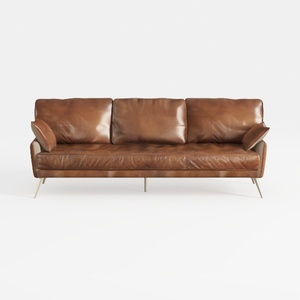
Modern Vintage Leather 3 Seater Sofa With Metal Legs 3D Model
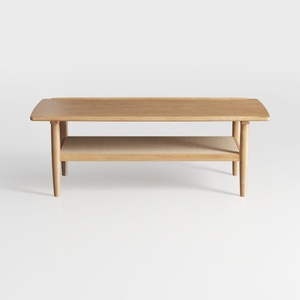
Minimalist Solid Oak Two Tiered Coffee Table 3D Model
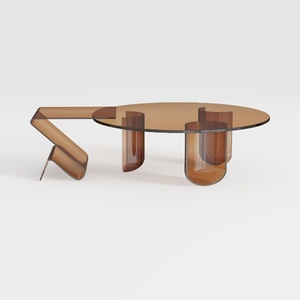
Round Coffee Table Modern Glass Coffee Table with
Homestyler is your go-to online home design platform! With its intuitive design tools, stunning 3D renderings, and a wealth of inspiring design projects and DIY video tutorials, you can effortlessly transform your space. Get started and unleash your creativity today!
Progetta ora GRATIS
































