

Understanding the difference in accommodation types can significantly enhance your travel experience. A suite goes beyond the simplicity of a standard room, which generally consists of a single area containing a sleeping section and an en-suite bathroom. In contrast, a suite typically features additional distinct areas—often incorporating a separate living room, dining nook, kitchenette, or even an extra bedroom. This increased space can greatly improve the way you relax, conduct work, host visitors, or get your rest.
When it comes to traveling, the functionality and spatial arrangement often surpass mere labels. Business travelers in particular are increasingly recognizing the importance of designated zones for both work and relaxation; as highlighted by Steelcase research, varying spatial configurations can enhance cognitive performance while mitigating fatigue in professional environments. Additionally, proper lighting standards are critical: the Illuminating Engineering Society suggests optimal task lighting of 300–500 lux for reading and working, while softer ambient levels can foster relaxation. A suite's separate living area facilitates achieving these lighting requirements more effectively with layers of illumination.
What Constitutes a Standard Room
- Comprised of a single open area designed for sleeping, alongside an en-suite bathroom.
- Typically measures between 18–28 m² (190–300 ft²) in midscale city hotels; often smaller in densely populated urban areas.
- Basic furnishings usually include a bed, bedside tables, a desk or small table, wardrobe, luggage bench, and one to two chairs.
- Lighting usually consists of general ambient plus bedside task lighting; desk task lamps tend to be minimal.
- Ideal for: brief stays, solo travelers, late arrivals, or situations where you'll be spending most of your time outside the room.
What Constitutes a Suite
- Features a designated living area that is distinct from the bedroom, often separated by a door or clear spatial zoning.
- Usually ranges from 35–70 m² (375–750 ft²) in midscale to upscale accommodations; premium suites tend to exceed these dimensions.
- Additional amenities can include sofa seating, dining tables or bars, expanded storage spaces, larger bathrooms; some even incorporate kitchenettes or additional bathrooms.
- Offers enhanced lighting and soundproofing features: more circuits, improved task lighting, and extra surfaces or soft textiles help absorb noise, making suites advantageous for families or professional calls.
- Best suited for: extended business trips, families with varied sleeping routines, small in-room meetings, or travelers who work remotely from the hotel.
Notable Differences in Space Planning
- Privacy and sleep: A door between living and sleeping zones allows one person to work while another sleeps, which is particularly useful for travelers crossing time zones.
- Workflow: A dedicated workspace equipped with 300–500 lux task lighting minimizes eye strain during laptop use; living areas are often better designed for this purpose.
- Luggage and equipment: Suites can accommodate multiple pieces of luggage, strollers, or photography gear without obstructing pathways.
- Entertaining: Having the capability to host a brief meeting or family meal without needing to gather around a bed enhances the overall experience.
Cost vs. Value Assessment
- Suite rates generally exceed standard room prices by 20-60%, depending on factors such as city, season, and view. For extended stays or if you plan to work in-room, the additional comfort and productivity can justify this price difference.
- When weighing costs per person, families might find it more economical to book a single suite rather than two rooms, especially when they include sofa beds or kitchenettes to help manage dining expenses.
- For members of loyalty programs, securing suite upgrades midweek in business districts might be easier; during conventions or holidays, it’s wise to book well in advance.
Focusing on Ergonomics, Lighting, and Comfort
- Ergonomics: If your plans involve working for over two hours each day, be sure to check the desk height (preferably around 28–30 in/71–76 cm) and request an adjustable task chair when possible, as this aligns with recommended practices for maintaining neutral posture and reducing physical strain.
- Lighting variations: Seek ambient, task, and accent lighting; aim for 300–500 lux at workstations and warmer lighting (2700–3000K) near the beds to facilitate winding down. Suites allow for an effective division between bright work zones and softer rest areas.
- Sound comfort: Furnishings such as doors, rugs, and soft materials within suites help diminish sound reflection, enhancing clarity during calls and facilitating deeper rest. Corner suites typically minimize corridor noise.
Color Psychology and Textural Experience
- Color schemes: Tones of muted neutrals with a cool accent can create a sense of spaciousness; warmer colors tend to provide a cozier feel. Research in environmental psychology links calming shades of blue and green to lower stress levels and improved sleep quality.
- Textiles: Plush seating, heavier drapery, and textured carpets in suites absorb sound and evoke a homelike atmosphere—especially beneficial for longer stays.
When to Prefer a Room
- Ideal for one-night layovers or late arrival situations.
- Suitable for budget-conscious travelers or when the destination is the primary focus.
- Without the need for extensive luggage or in-room work requirements.
- When noise levels are less of a concern and simplicity is preferred.
When to Prefer a Suite
- If you plan to work several hours in-room and require a proper desk or table positioned away from the bed.
- When traveling with two or more guests who have different sleep schedules.
- If you intend to host brief meetings or family meals.
- Ideal for longer stays where a kitchenette, storage options, and a living room improve your day-to-day routine.
Key Layout Considerations Before Booking
- Check for true separation: a real door is more effective than a partial divider for ensuring privacy and controlling noise.
- Desk placement: Look for a desk located near both an outlet and a window to maximize daylight use; consider a task lamp for evening work.
- Seating capacity: Ensure there are at least three adequate seats (sofa plus chair) to accommodate small groups comfortably.
- Bathroom access: Guests should be able to go to the bathroom without having to cross through the bedroom, especially when hosting visitors.
- Visual aids: For those who prefer visual planning, utilizing a room layout tool like Homestyler can help sketch furniture placement and circulation flow before committing to a booking, to identify potential obstructions or seating shortages.
room layout tool
Trends for Travelers from 2024 to 2025 Impacting Suite Preferences
- Increased remote working: More travelers are seeking credible work areas paired with superior lighting control.
- Focus on wellness: There is a rising demand for lower color temperature options in the evenings, blackout curtains, and quieter HVAC systems as sleep quality becomes a distinguishing factor.
- Small group travel: Families or small groups are prioritizing versatile seating and dining areas over strictly decorative elements.
Practical Booking Tips from Experienced Travelers
- Don’t hesitate to ask for floor plans or photographs showcasing the door between living areas.
- Request a corner suite or an end-of-corridor room for a quieter stay.
- If internet connectivity is critical, inquire about rooms positioned near access points or consider bringing a travel router.
- For families, verify the dimensions and type of mattress on sofa beds; it’s advisable to measure them against your needs, particularly for taller individuals.
Frequently Asked Questions
A suite is characterized by a distinct living area set apart from the sleeping area, frequently equipped with a door, while a standard room merges all aspects into one unified space.
No, while some may have kitchenettes, many suites concentrate on providing living and dining space rather than fully equipped cooking facilities. Extended-stay hotels are more inclined to offer these.
Not exactly. A junior suite typically features an enlarged sitting area within a singular large room, possibly with a partial divider, but does not provide a completely separate bedroom.
Rates commonly range from 20-60% more than a comparable standard room, influenced by factors like city, hotel brand, view, and time of year. Off-peak bookings and loyalty status can help reduce the price discrepancy.
Yes, provided there is appropriate table space, a supportive chair, and effective task lighting (around 300–500 lux) for reading or screen use. Adequate separation from the bed minimizes distractions and aids in quality sleep later.
Generally, yes. Additional doors, soft furnishings, and corner suite placements can help minimize corridor noise and sound reflection, though the overall building quality will also influence this.
Typically, yes. The distinct areas can support children sleeping while adults enjoy downtime, and the availability of sofa beds or kitchenettes might lower overall dining and spatial costs compared to reserving two separate rooms.
Look for a genuine door separating the bedroom from the living area, ensure desk placement has nearby outlets, confirm adequate seating for your group, and verify that bathroom access does not require crossing through the bedroom when entertaining guests.
Yes, provided the suite features sufficient seating and table space. Opt for a layout that allows bathroom access without having to enter the bedroom for guest comfort.

Modern Solid Wood Metal Frame Dining Table Set with Upholstered Chairs 3D Model
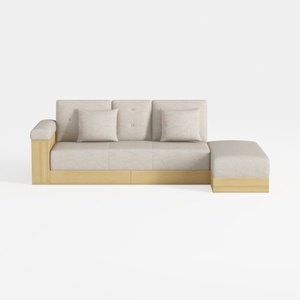
Minimalist Linen Solid Wood Sectional Sofa 3D Model
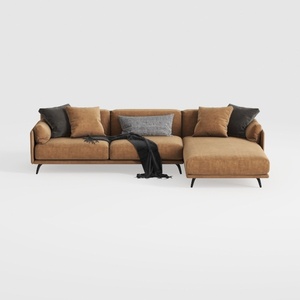

Coaster Home Furnishings - Camacho - Upholstered C
If you're looking to transform your living space, Homestyler is your go-to online home design platform. With its user-friendly design tool, stunning 3D renderings, and a wealth of DIY video tutorials, it's never been easier to bring your dream home to life!
지금 무료로 디자인하세요
































