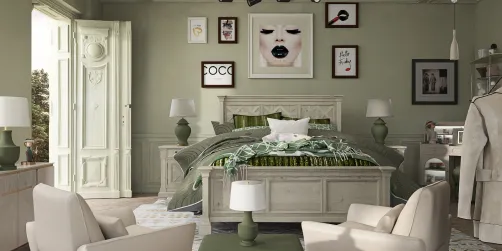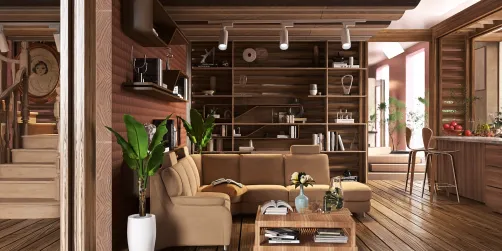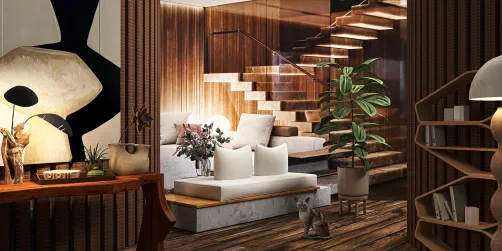



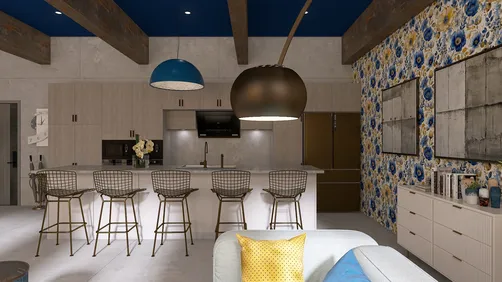
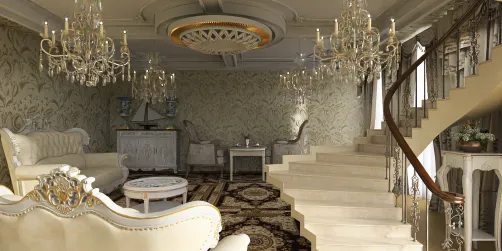
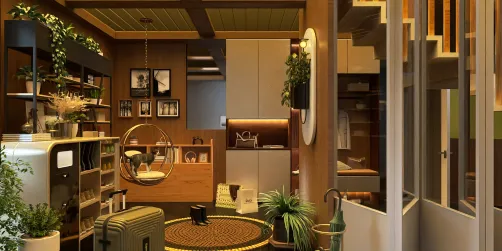
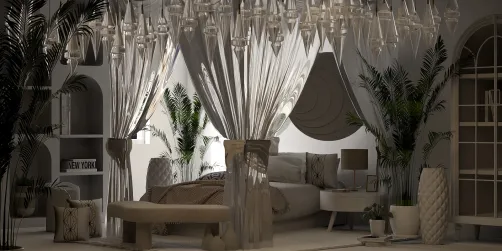
In the realm of 3D visualization, distinguishing between rendered and non-rendered images is crucial for both designers and their clients. Rendered images represent fully developed visuals, having been processed to attain high levels of realism and intricate details. Conversely, non-rendered images tend to be raw or basic depictions, devoid of detailed textures, lighting, and shadows, which can limit their effectiveness in presenting concepts clearly. Incorporating tools like Homestyler can enhance the understanding of these differences.
Rendered images leverage sophisticated algorithms to replicate how light interacts with various surfaces, culminating in a final product that can effectively illustrate materials, reflections, and environmental interactions. Such high-quality images are often utilized in marketing campaigns, presentations, and to secure project approvals. In contrast, non-rendered images function as preliminary sketches or drafts, making them advantageous in the initial phases of design for brainstorming and development.
The choice between rendered and non-rendered images largely hinges on the specific needs of the project, the given timeline, and the available budget. While rendered images demand more time and computational resources, non-rendered versions can be generated swiftly, allowing for immediate feedback and adjustments. Using software like Homestyler can streamline this process and facilitate quicker iterations.
Characteristics of Rendered Images
The defining features of rendered images include:
Characteristics of Non-Rendered Images
Non-rendered images usually possess the following traits:
When to Utilize Rendered versus Non-Rendered Images
Rendered images are particularly advantageous for:
On the other hand, non-rendered images excel in:
Conclusion
In conclusion, recognizing the distinctions between rendered and non-rendered 3D images is essential for effective communication during the design process. Each type of image serves a specific purpose depending on your project objectives, ensuring that the end result aligns with expectations and requirements. Utilizing platforms such as Homestyler can help in producing both types of images efficiently.
FAQ
Q: What primarily differentiates rendered from non-rendered images? A: Rendered images are processed to provide detailed and realistic visuals, whereas non-rendered images are basic representations lacking advanced texturing or lighting.
Q: When is it appropriate to use rendered images? A: Rendered images are ideal for client presentations and marketing purposes where high-quality visuals are paramount.
Q: Are non-rendered images beneficial during the design process? A: Absolutely, non-rendered images are useful for brainstorming sessions and acquiring quick feedback in the project's early stages.
Homestyler's roots trace back to Autodesk, the global leader in design and engineering software. That heritage lives on in every feature we build. Today, with a community of more than 20+ million registered users (platform data, 2026) worldwide, Homestyler continues to make professional-quality interior design accessible to everyone — from first-time decorators to seasoned architects.
Welcome to the leading home design software.
Дизайн сейчас бесплатно

















![[For dear Adelina madee 🤎]](https://hs-designs.homestyler.com/production/design/images/8a07e535-9cbc-4132-a42a-5932dac3a112/1706972286037.jpg?x-oss-process=image/resize,w_502,m_mfit/format,webp)