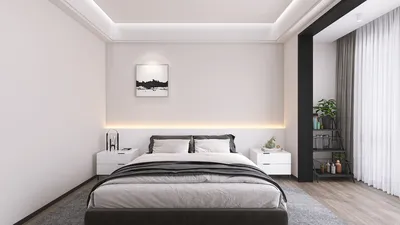


In Mumbai's real estate market, heavy deposit rooms, often referred to as zero-rent flats, present a unique rental option. You provide a substantial one-time, refundable deposit directly to the landlord while enjoying the benefit of no monthly rent during the agreed term. I've guided numerous young professionals and families in utilizing this model to manage their finances better, sidestep annual rent increases, and secure prime locations close to public transport. The secret lies in accurately pricing risk, maintaining thorough documentation, and planning interiors for lasting comfort using resources like Homestyler.
Understanding cost dynamics is crucial. Traditional rentals in Mumbai experience annual rent increases typically ranging from 5% to 10%, which quickly accumulates over multi-year agreements. Furthermore, workplace and lifestyle trends reveal that individuals prioritize efficient commuting and acoustic comfort; research by Steelcase indicates that noise is the leading distraction for office employees, with 64% stating it hampers productivity. Although targeted at workspaces, the insights regarding acoustics are applicable to compact apartments near busy streets—allocating funds for noise mitigation in a heavy deposit flat can be the key factor between a bearable and a livable environment. For natural light and overall health, the WELL v2 standard emphasizes the importance of glare control and circadian lighting as crucial components of occupant comfort, assisting in decisions about window treatments and the color temperature of lamps. For more insights on the quality of living environments, the WELL Building Standard provides actionable benchmarks: WELL v2.
Understanding Heavy Deposit Rentals
Instead of the traditional monthly rent, tenants pay a sizable refundable deposit—ranging from ₹6 lakh to ₹15 lakh for small 1RK/1BHK units located in well-connected areas. The rental agreement typically spans a set duration, generally between 11 and 36 months, after which the deposit is returned minus any agreed-upon deductions. While the owner gains immediate liquidity, tenants enjoy more predictable housing expenses. It is crucial to outline in the agreement the timelines for deposit return, procedures for inspections, and processes for dispute resolution.
Evaluating Risk: The Price of the Premium
I consider the deposit akin to a zero-coupon bond tied to the property. To compare the effective "rent" to market alternatives, assess the opportunity costs associated with capital. For instance, if market rent stands at ₹35,000 per month and your hefty deposit amounts to ₹9 lakh over 24 months, the inferred monthly expense emerges as 9,00,000 ÷ 24 = ₹37,500 before accounting for time value, maintenance, and interest factors. Adjust for anticipated returns (such as fixed income yields and taxation) to determine if the heavy deposit strategy provides a better deal compared to standard renting over the same period.
Key Contract Elements
Always insist on a registered Leave & License agreement. Clearly specify notice periods, standard conditions for wear-and-tear, and a checklist for pre-move-out preparations. Additionally, include an indexed list of fixtures, appliances, paint condition, and any landlord commitments. If living in a cooperative society, it’s important to capture society rules regarding pets, noise levels, and renovation hours. Also, ensure the deposit refund is explicitly stated within a defined number of days post-handover, with bank transfer details included in writing.
Prioritizing Location and Commute Considerations
Begin by mapping out commute times and evaluating transit reliability. A daily reduction of 20-30 minutes can significantly enhance your quality of life. Location close to local trains and metro lines should be valued more than building amenities, as the frequency of late-night services influences actual usage. I recommend assessing two or three corridors with 10-12 potential flats each, taking meticulous notes during visits and tracking negotiations.
Long-Term Comfort Through Interior Design
Most heavy deposit accommodations are typically compact 1RK/1BHK formats. Designate specific zones for sleeping, working, cooking, and storage. Maintain clear pathways by incorporating multifunctional furniture such as sofa beds, nesting tables, and wall-mounted desks. If you're evaluating different layouts or furniture arrangements, utilizing a room layout tool like Homestyler enables you to explore bed positioning, optimize workspace ergonomics, and assess wardrobe spacing before moving in.
Managing Light, Color, and Acoustic Elements
Urban environments characterized by narrow streets can disrupt the even distribution of daylight. I prefer using warm-white lighting (2700–3000K) in bedrooms and neutral-white (3500–4000K) lighting in workspaces to enhance focus without harsh effects. According to guidance from WELL v2 regarding visual comfort, it is essential to minimize glare and achieve a harmonious balance of light intensity instead of merely maximizing brightness. The psychology of color can also play a role in alleviating stress, as softer greens and muted blues can create a sense of spaciousness in compact areas. For sound control, it is advisable to seal door frames, install heavy curtains, and use soft finishes like rugs and fabric wall panels. Findings from Steelcase reaffirm that controlling noise levels can enhance focus—this principle should equally apply to the acoustic environment within your apartment.
Storage Solutions and Space Efficiency
Aim for 15-20% of the floor area dedicated to storage in micro-apartments. Vertical storage solutions featuring wardrobes 450-600mm deep keep pathways clear. Uphold clear travel paths of 750-900mm around beds and large furniture pieces to facilitate easy movement. A sense of rhythm in the arrangement is essential: position taller elements against one wall to keep sightlines open, balancing heavier pieces with lighter furniture on opposite sides.
Maximizing Ergonomics for Remote Work
For remote workers, reserving an adequate desk width of at least 1200mm is advisable, with an adjustable chair being a priority. Ensure that the top of the monitor aligns with eye level, maintaining a viewing distance of 500-700mm. Task lighting featuring 4000K lamps with a high CRI promotes color accuracy necessary for creative tasks, while an additional ambient light helps mitigate glare on screens. Effective cable management further minimizes visual clutter, which can impose a mental load similar to that of auditory distractions.
Strategizing Negotiation Techniques
Present a well-organized profile including proof of funds, identification, employment verification, and references. Introduce an inspection clause—should any appliances fail within the initial 30 days, the landlord is responsible for repairs or replacements. When negotiating the deposit amount, base your proposal on market rent equivalency and lease duration, while requesting repainting or thorough cleaning rather than merely asking for minimal reductions in deposits.
Conducting Due Diligence
- Confirm the property owner’s title, society NOC, and any dues outstanding.
- Inspect water pressure during peak hours as well as the terms of power backup.
- Check windows and doors for proper sealing; observe traffic noise variations at different times.
- Look for any damp spots and, if feasible, measure humidity levels.
- Document meter readings upon your move-in date.
- Take photographs of all areas before signing the contract.
Planning Your Exit Strategy
Two months prior to your move-out date, communicate your intent in writing, schedule a joint inspection, and resolve any minor repairs ahead of time. Keep a dated list of inventory comparisons to mitigate disputes. Lastly, confirm your banking details within the agreement while verifying them again during the handover process.
Frequently Asked Questions
The answer varies based on the deposit amount, lease duration, and the returns from alternative investments. Calculate the deposit’s equivalent monthly cost and compare it to standard market rent, factoring in the interest you forgo and any tax implications.
Pricing fluctuates across different localities and building conditions. A compact 1RK in well-connected suburbs might fall within the ₹6-12 lakh range, while newer buildings or prime micro-locations could command higher prices. Always verify against prevailing market rates.
Ensure the Leave & License agreement is registered, specify refund timelines, and include a detailed inventory along with a pre-handover checklist. Capturing the property’s condition through photographs and meter readings can diminish ambiguity.
Yes, cooperative societies generally require tenant documentation, police verification, and identification. It is wise to confirm visitor policies, renovation hours, and quiet hours well in advance.
To address acoustic challenges, consider installing heavy curtains, door seals, rugs, and fabric wall panels. Research indicates that noise can impact focus, with Steelcase’s findings illustrating the associated costs to productivity; thus, treating sound management as a key investment in comfort is essential.
Employ a layered lighting approach—both ambient and task lighting are necessary. Use warm-white (2700–3000K) for bedrooms and neutral tones (3500–4000K) for work spaces. Minimize glare using indirect lighting solutions and matte finishes; guidance from WELL v2 on visual comfort supports these recommendations.
Absolutely. Using lighter tones like desaturated blues, greens, and soft neutrals minimizes visual bulk, enhancing the sense of spaciousness. Limit high-contrast colors to avoid overwhelming the visual experience.
Definitely. Employing a room design visualization tool allows you to evaluate furniture placements thoroughly, ensuring a functional flow and preventing costly misfits before committing to your setup.
Incorporate an inspection clause that grants the owner a specified timeframe to address repairs or replacements. Document any issues with emails and attach photographs to keep a clear record.
Normalize by correlating them with lease length, deposit totals, building condition, commute durations, and maintenance costs. Calculate implied monthly expenses and weigh them against qualitative aspects such as noise, daylight quality, and society regulations.
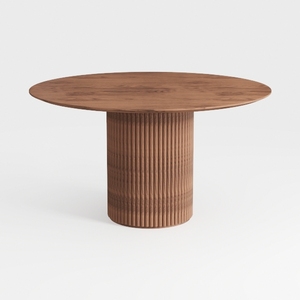
43.3''-59'' Extendable Round Dining Table for 4, M

Minimalist Solid Oak Square Dining Table 3D Model
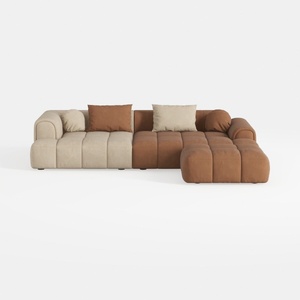
Modern Velvet Sectional Sofa, U Shape Minimalist M
Transform your home with Homestyler, an intuitive online design platform perfect for any skill level. Enjoy stunning 3D renderings, a wealth of design projects, and helpful DIY video tutorials to inspire your creativity. Design your dream space effortlessly!
지금 무료로 디자인하세요
































