


For over ten years, I have designed and commissioned freezer rooms in sectors including food and beverage, pharmaceuticals, and cold-chain logistics. The cost associated with these facilities is influenced by several factors beyond just the square footage. Key considerations include temperature setpoints, insulation quality, door mechanisms, defrost strategies, floor materials, and the overall reliability of the refrigeration systems. Generally, freezer rooms optimized for temperatures between -20°C to -30°C tend to fall within the mid-to-high pricing bracket due to the thickness of their insulation, vapor barriers, and the configuration of their compressors.
Research highlighting the relationship between workplace comfort and productivity emphasizes the importance of consistent environmental controls. For instance, findings from Steelcase illustrate that workplace conditions significantly impact both productivity and employee well-being, indicating that enhanced thermal stability helps streamline operations (steelcase.com/research). Similarly, WELL v2 guidelines promote environmental standards that, while focusing on occupants' well-being, also align with high standards of air quality and thermal stability essential for both food safety and pharmaceutical integrity (v2.wellcertified.com). These insights underline the necessity of investing in a freezer room that maintains setpoints with minimal variations.
Typical Cost Ranges
Based on my experience, here are some ballpark estimates for the installation of small-to-medium commercial freezer rooms in the United States (excluding land expenses and major construction):
These estimated costs encompass insulated panels, doors, refrigeration units, basic electrical work, and installation charges. However, regional labor rates, utility costs, and import duties can significantly affect these figures.
Key Cost Drivers
There are ten standout variables that most significantly influence costs:
Cost Breakdown by Component
Dissecting the total expenses into typical categories can aid in informed decision-making:
The proportion of costs may vary depending on redundancy measures and the complexity of control systems. A straightforward single-compressor setup tends to prioritize envelope costs, whereas more advanced dual-stage or cascade systems emphasize complexities related to plant and controls.
Energy and Lifecycle Costs
Freezer rooms are known for consuming substantial energy. Annually, expect energy costs to be around 8%–15% of the initial capital expenditures for smaller to mid-sized projects, contingent on energy prices and operational hours. Implementing strategies to reduce air infiltration through vestibules, swift doors, and disciplined door usage can yield quick returns. The research from Steelcase aligns with a broader understanding that maintaining consistent conditions minimizes workflow disruptions, which translates to improved inventory management and fewer temperature anomalies in cold storage contexts (steelcase.com/research).
Layout, Circulation, and Door Strategy
Designing the circulation path strategically can minimize door usage and the duration doors stay open. Investing in a dual-door vestibule with interlocking systems or a fast-rolling door combined with air curtains can result in savings through decreased frost build-up and reduced energy consumption. For modeling workflows, I frequently utilize room layout tools to simulate racking, spacing, and traffic flows:
room layout tool
Aligning evaporator coils is essential to prevent airflow short-circuiting and ensuring that aisles receive an even distribution of cold air. The goal should be to achieve uniform air velocity and to avoid placing coils near heavily trafficked doorways, where frost accumulation is most pronounced.
Material Selection and Durability
Opt for high-grade stainless steel or food-grade materials for racks and fittings, and choose door hardware designed for low-temperature flexibility. Features such as heated thresholds, non-slip flooring, and anti-condensation heaters for door frames help protect both the structure and its users. Ensure that gaskets and seals are replaceable and keep an additional set on hand for maintenance.
Human Factors, Safety, and Workflow
Even in environments with extreme temperatures, ergonomics play a critical role. Equipment with glove-friendly handles, unobstructed sightlines, and glare-free lighting can decrease handling errors. I aim for a lighting level of 300–500 lux using cold-rated LED fixtures, balanced to a neutral-cool color temperature (around 4000–5000K), ensuring compliance with the IES standards regarding task-appropriate illumination (ies.org/standards). Implement both audible and visual alarms; the noise from evaporator fans can render cold rooms loud, so having dual alerts is beneficial.
Acoustics and Behavioral Patterns
While temperature comfort is paramount, acoustic conditions also have an impact on staff performance. Selecting fans with minimal vibration and avoiding hard, reverberant surfaces in nearby preparation areas can offer notable improvements. Behavioral issues—such as congestion at doors, frost build-up, and unexpected defrosts—often hint at suboptimal layouts or inadequate door strategies.
Commissioning and Validation
Allocate resources for a comprehensive commissioning plan: this includes pressure testing the envelope, inspecting vapor seals, validating defrost cycles, and collecting data across various load conditions. For pharmaceutical applications, ensure that the plan encompasses IQ/OQ documentation and alarm testing protocols. A thorough handover process minimizes the risk of unexpected issues in the initial operational phase.
When to Choose a Freezer Room vs. Reach-in Units
If you frequently experience high daily throughput, often move pallets or trolleys, or require consistent –20°C storage for bulk products, opting for a dedicated freezer room is more advantageous compared to multiple reach-in units. Beyond approximately 12–15 m² of storage, consolidated structures can reduce thermal losses and ease maintenance efforts.
Practical Savings Without False Economies
Invest where it truly counts: prioritize floor heating, vapor barriers, high-quality doors with heated frames, and dependable controls. Cut back on non-essential finishes, reduce penetrations, and standardize racking configurations. Instill discipline in door operations and incorporate vestibules before striving for marginal improvements in compressor efficiency.
FAQ
For a room size between 8–12 m² at approximately –18°C to –22°C, anticipate costs in the range of $18,000–$35,000, which includes standard panels, a single compressor, heated door frames, and basic control systems.
To realize lower temperature setpoints, redundancy (N+1 configuration), validation for pharmaceutical-grade environments, heated floors, and powered rapid doors will elevate costs significantly.
To minimize door cycles, it is effective to utilize a vestibule or a rapid door coupled with an air curtain, and ensure that evaporators are positioned to provide uniform airflow without short-circuiting. A layout simulation tool can assist in visualizing rack aisles and pathways.
Employ cold-rated LED lighting around 300–500 lux at the task level alongside a neutral-cool color temperature (approximately 4000–5000K) to ensure visibility without causing glare. Consult IES resources for principles of task illumination.
In most scenarios for freezer rooms, yes, implementing floor heating or thermal breaks can thwart frost heave and resultant structural damage, making it a more cost-effective solution than addressing failures later.
Energy consumption varies, but on average, annual energy expenses can range from 8%–15% of initial capital expenditure for small to mid-sized setups, heavily influenced by door behaviors, ambient conditions, and operational hours.
If maintaining high inventory values or minimizing downtime is critical, introducing N+1 redundancy with compressors and dual evaporators is advisable. The added redundancy generally raises capital expenditures by 15%–30%, yet it guards against potential failures.
Food service operations typically focus on safety audits and temperature monitoring, while pharmaceutical facilities necessitate validation (IQ/OQ), calibrated sensors, and reliable alarm systems. The WELL v2 criteria endorse an emphasis on consistent environmental conditions that enhance design rigor concerning air quality and thermal stability.
Utilize high-contrast, non-glare signals for safety and navigation purposes. While the principles of color psychology are less pertinent in low-temperature environments, maintaining visual clarity is crucial to minimize handling mistakes and streamline operations.
For medium-sized installations, a timeline of 3 to 6 weeks is standard, covering panel setup, plant installation, electrical work, commissioning, and initial testing, all subject to permitting and site conditions.
Indeed, with the use of modular panels and properly designed capacities in compressors and condensers, expansion is feasible. Ensure there’s room for additional evaporators and confirm that the foundation and envelope are adequately prepared for extensions.
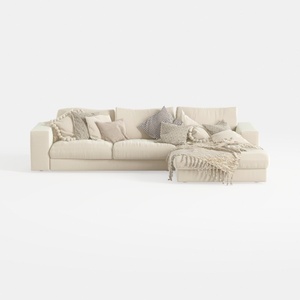
Minimalist Beige Fabric L Shaped Sectional Sofa with Throw Pillows 3D Model
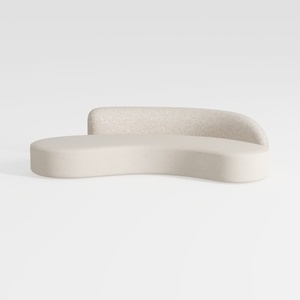
Minimalist Boucle Curved Sofa 3D Model
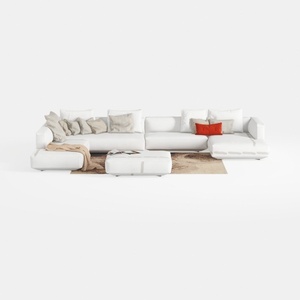
Minimalist White Fabric L Shaped Sectional Sofa with Ottoman 3D Model
Looking to transform your space? Homestyler is your go-to online platform! With an easy-to-use design tool, stunning 3D renderings, and a treasure trove of DIY video tutorials, you can unleash your creativity and design like a pro. Start your home makeover today!
Progetta ora GRATIS
































