


Have you ever noticed your lights unexpectedly dimming? You're not alone in this experience. Dimming lights can indicate various electrical issues that not only affect your home's illumination but may also pose safety hazards. Grasping the potential implications is vital for ensuring that your home remains a safe and functional environment.
One frequent cause of dimming lights is the power demand from high-wattage appliances. When these devices power on, they may require a substantial amount of energy, resulting in a temporary voltage drop that dims the lights. This issue is especially common in homes with older wiring unable to cope with such sudden changes. Rectifying these wiring concerns can help avoid further complications.
Understanding Voltage Drop
Voltage drop happens when the electrical current encounters resistance, generally due to distance or subpar wiring. For instance, if your lights are situated far from the electrical panel, the inherent resistance may lead to decreased voltage, causing the lights to dim. Regular inspections of your wiring are crucial to prevent these problems and to guarantee that all electrical devices in your home operate efficiently.
Other Causes of Dimming Lights
Dimming lights can also arise from malfunctioning light switches or fixtures. An aging dimmer switch might struggle to regulate voltage correctly, leading to inconsistent lighting. Likewise, outdated fixtures may not ensure a stable connection. It’s essential to replace any defective components in order to maintain steady illumination throughout your living space.
Additionally, your utility supply can play a role in light dimming. If there is a surge in demand in your area, or if a fault occurs within the local grid, it can result in power fluctuations that affect your home’s lighting. Staying connected with your utility provider allows you to remain informed about any outages or issues, helping you to be prepared.
Taking Action
If you observe frequent dimming, it may be wise to seek assistance from a qualified electrician. They will accurately diagnose the problem and offer tailored solutions to ensure your lighting stays bright and steady. Ignoring these signs may result in more serious electrical issues that could pose safety hazards.
Tips 1:
To prevent dimming lights, consider upgrades such as a new electrical panel, the installation of voltage regulators for sensitive devices, and regular electrical audits for your home. Implementing these strategies can significantly decrease the chance of dimming lights while enhancing your electrical system's overall efficiency, especially when utilizing tools like Homestyler to visualize your home layout.
FAQ
Why are my lights dimming only when certain appliances are in use? Dimming lights during the operation of high-wattage devices typically suggest that your circuit is overloaded or that your home’s wiring cannot support the electrical demands placed upon it.
How can I prevent dimming lights in my home? To mitigate dimming lights, contemplate upgrading your electrical panel to a higher capacity, utilizing high-quality wiring, and distributing your appliances across different circuits to balance the electrical load.
When should I call an electrician? If dimming lights persist, or if you observe any unusual patterns, it's prudent to consult a professional electrician for a thorough evaluation of your electrical system.
What began as an Autodesk innovation has evolved into a design platform used by more than 18 million people around the globe. Homestyler combines powerful rendering, an intuitive editor, and a vast furniture library to help you turn inspiration into photorealistic designs — whether you're redesigning a single room or planning an entire home.
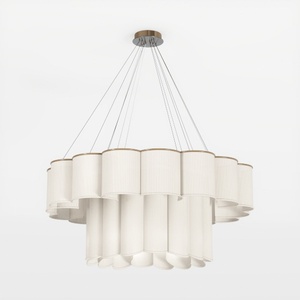
Minimalist Modern Fabric Brass Chandelier 3D Model


Minimalist Black Metal Cone Pendant Lamp 3D Model

Minimalist Astronaut Moon Table Lamp Decorative 3D Model
Homestyler is your go-to online home design platform, perfect for turning your creative visions into reality. With its user-friendly design tool, stunning 3D renderings, diverse design projects, and helpful video tutorials, you can easily create your dream space, no matter your experience level.
Design Now for FREE
































