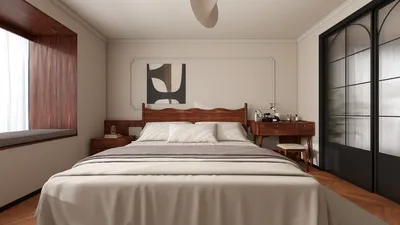


The Godot Engine is a widely recognized open-source game development platform highly regarded for its adaptability and user-friendly interface. A crucial aspect of 3D content creation is understanding which 3D model file formats are supported by Godot, as this impacts your workflow, the compatibility of your assets, and the final visual quality of your games or interactive experiences.
Key 3D Model File Formats Supported by Godot:
1. glTF 2.0 (.gltf, .glb): This is the preferred and most comprehensive 3D format for Godot, offering support for meshes, textures, animations, lights, cameras, and materials, which ensures seamless import and optimal compatibility.
2. Collada (.dae): Often utilized for 3D data exchange, Collada has decent support within Godot, though animations and material compatibility might necessitate manual tweaks.
3. OBJ (.obj): Excellent for static meshes, OBJ files are straightforward and widely accepted, but lack support for animations and complex material definitions.
4. FBX (.fbx): Although Godot doesn’t support FBX natively, you can still import FBX files using third-party plugins or by converting them to glTF beforehand.
5. Escn (.escn): This is Godot’s proprietary export format for Blender, crafted specifically for users exporting their work directly from Blender to Godot.
Best Practices for Importing 3D Models:
For interior designers, having diverse import options for 3D models is vital for crafting immersive and realistic virtual environments. When creating virtual spaces, especially for home or office simulations, employing high-quality 3D assets that are compatible allows for effective layout planning, decor experimentation, and the visualization of proposed changes prior to real-world execution. If you’re eager to see how advanced digital tools enhance this workflow, utilizing platforms like Homestyler, which feature integrated 3D floor planning solutions, can effortlessly transform your design ideas into reality.
Tips 1:
When exporting from Blender or other modeling software for Godot, it’s essential to verify that your model is utilizing supported features such as PBR textures, animations, and hierarchical node structures. For optimal cross-compatibility and user convenience, glTF 2.0 is generally the recommended option.
FAQ
Q: What’s the best file format for 3D models in Godot?
A: The optimal format for Godot is glTF 2.0 (.gltf or .glb), which is suitable for most scenarios involving meshes, animations, and materials.
Q: Can animated 3D models be imported into Godot?
A: Yes, you can import animated models using the glTF 2.0 or Collada (.dae) formats, provided that your source file includes the necessary animation data.
Q: Does Godot allow for FBX file imports?
A: While Godot cannot directly import FBX files, you have the option to convert them to glTF or Collada using Blender or other conversion tools beforehand.
Q: Are there limitations associated with using OBJ files?
A: OBJ files are only suitable for static meshes; they do not support animations or advanced materials, making them less ideal for dynamic assets.
Q: How can I export a model from Blender straight to Godot?
A: You can utilize the Godot Blender exporter add-on (.escn) or export your model as glTF 2.0 for optimal compatibility with Godot.


Minimalist Cream Solid Wood Irregular Coffee Table 3D Model

Minimalist Linen Fabric Slipcover Three Seater Sofa 3D Model
Looking to transform your home? Homestyler is the ultimate online design platform that empowers you with an easy-to-use design tool, stunning 3D renderings, and a wealth of inspiring design projects. With helpful DIY video tutorials, creating your dream space has never been easier!
تصميم الآن مجانا
































