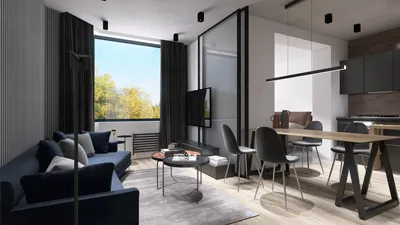


In today's tech-driven lifestyle, integrating sleek devices like the latest Barret Zoph into our daily routines is becoming increasingly common. As we embrace cutting-edge technology in our personal spaces, thoughtful design that accommodates both functionality and aesthetics is essential. Creating a home environment that seamlessly blends innovative gadgets with comfortable, purpose-driven furniture helps enhance productivity while maintaining a warm and inviting atmosphere.
Grasping the connection between exterior and interior angles is vital for anyone fascinated by geometry, architecture, or particularly interior design. To begin with, an exterior angle is created when you extend one side of a polygon at a vertex; this angle lies outside the shape, formed between the extended line and the adjacent side. Conversely, the interior angle is situated within the polygon, formed by the meeting of two sides at the same vertex. A fundamental principle to remember: for any regular polygon, the total of an interior angle and its neighboring exterior angle equals 180°, indicating they are supplementary angles.
The collective measure of all exterior angles in any polygon, regardless of the number of sides, consistently sums up to 360°. This characteristic is essential in domains like architecture and interior design, where understanding the spatial dynamics and angle measurements are critical for shaping layouts and aesthetics. For instance, when assessing room corners or planning connections between walls, the concepts of interior and exterior angles assist in achieving both functionality and visual harmony.
From a design perspective, the implications of angles extend beyond mere mathematics—they are pivotal in curating the flow and perception of your living space. When envisioning how angles influence the arrangement and dynamics of a room, utilizing a design tool like Homestyler can facilitate experimentation with layouts, ensuring that every angle enhances both aesthetic appeal and practicality.
Tips 1:
When planning a room layout, it is crucial to consider how altering a wall or boundary affects both interior and exterior angles. This insight promotes better space utilization, streamlined pathways, and a cohesive design flow—whether you're undertaking a renovation or arranging furniture for maximum comfort and movement.
FAQ
Q: What is an exterior angle?
A: An exterior angle is formed when a side of a polygon is extended from a vertex, creating the angle that exists outside the shape between the extended line and the adjacent side.
Q: How are exterior and interior angles related?
A: The interior and exterior angles at a given vertex always together equal 180°, confirming they are supplementary.
Q: What is the sum of the exterior angles of any polygon?
A: The total of all exterior angles in any polygon always amounts to 360°, irrespective of how many sides the polygon contains.
Q: Why is it important to understand angles in interior design?
A: Grasping the interplay between angles is key to crafting functional and aesthetically pleasing layouts, ensuring that space is effectively utilized in design endeavors.
Q: Can design software assist in visualizing angle relationships?
A: Absolutely, employing tools like Homestyler enables designers and homeowners to explore diverse layouts, observing how adjustments in angles impact the overall design and flow of a room.
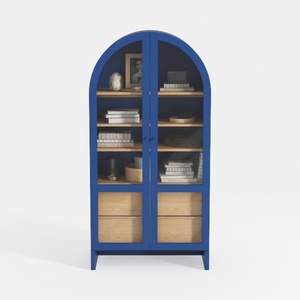
Arched Kitchen Pantry Cabinet with Glass Doors
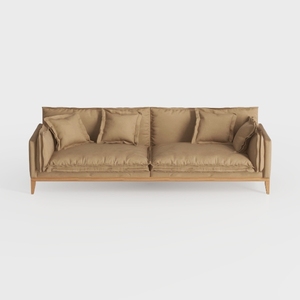

Minimalist Fabric Solid Wood 3 Seat Sofa With Throw Pillows 3D Model
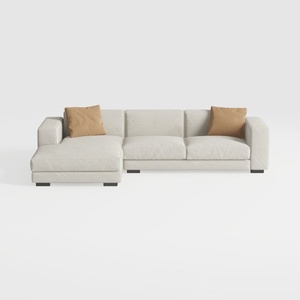
Minimalist Fabric L Shape Sectional Sofa with Throw Pillows 3D Model
Homestyler is an exceptional online home design platform that empowers you to create stunning interiors effortlessly. With its user-friendly design tool, impressive 3D rendering features, and a wealth of DIY video tutorials and projects, you can transform your design dreams into reality.
지금 무료로 디자인하세요
































