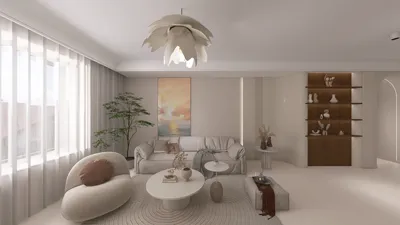


Are you prepared to embark on a thrilling journey within the confines of your own home? Discovering hidden rooms can be an exhilarating adventure, igniting both curiosity and creativity. Whether you're on the lookout for secret spaces to craft a cozy retreat, a clandestine playroom for your children, or simply wish to unearth the mysteries lurking within your residence, this guide will assist you in mastering the skill of locating those elusive hidden areas. Begin by examining the architectural details of your home. Older properties often feature nooks and crannies, so it's worthwhile to search for any unusual characteristics that might suggest concealed spaces. Keep an eye out for odd doorways, irregularly shaped walls, or even atypical ceiling heights that could indicate an undiscovered area behind them. Consider the layout of your home carefully. At times, a room may appear to be just a simple closet, but it could actually lead to a more spacious, secret room concealed behind a false wall. Utilize a stud finder or flashlight to investigate areas that seem out of the ordinary; the sounds made while tapping might reveal hollow spaces hidden within the walls. Next, turn your attention to the attic and basement. These often-overlooked areas can sometimes be the gateway to secret rooms. In the attic, watch for strange beams or partitions that may indicate the presence of a room that lies beyond the visible structure. In the basement, look for obscured entrances or even hidden staircases that could lead you to a secret space. Vintage homes may have forgotten or hidden rooms that were part of the original design, sealed off over time. Additionally, take the time to research the history of your home. Old blueprints or records of past renovations may provide valuable hints regarding how the house was originally designed, including the existence of any hidden rooms. This information can often be sourced from local historical societies, libraries, or online archives. If your home was constructed during an era when secret rooms were fashionable, there’s a good possibility that one is waiting to be rediscovered. Don’t overlook checking behind furniture and decorations. Sometimes, a hidden door can be concealed behind a bookshelf or a sizeable piece of furniture. Look for signs of wear on the floor or walls that may indicate that something is concealed behind them. Additionally, consider using mirrors to reflect light into darker corners, as illumination can often reveal what lies hidden in the shadows. If you’re feeling adventurous, you might want to engage in a bit of DIY exploration. Remove any old paneling or wallpaper in areas that seem suspicious, but proceed with caution to avoid damaging the structural integrity of your home. Should you discover a hidden room, it could present an exhilarating opportunity to create a unique space that embodies your personality. It might transform into your new favorite reading nook, a secret game room, or even a secluded office away from the bustle of daily life. Finally, always bear in mind to respect the integrity of your home and any historical significance it may hold. If you uncover a hidden room, consider collaborating with a contractor or designer to help visualize the potential of that area. They can assist in making the space both functional and aesthetically pleasing, ensuring it blends seamlessly with your home’s existing design. In conclusion, the quest for secret rooms in your house can be a thrilling experience filled with unexpected discoveries. With the right approach and a sprinkle of luck, you can unearth hidden treasures that enhance the charm and intrigue of your home. Don’t forget to utilize tools like Homestyler to visualize and optimize these newfound spaces, as you set off on your adventure with flashlight in hand!
welcome to Homestyler
Desain sekarang Gratis
































