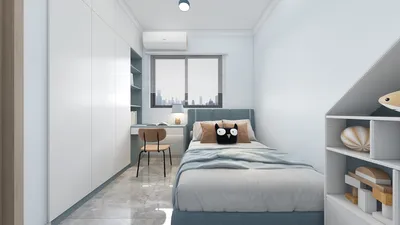


For years, I have been installing and selecting residential window films, and what often surprises newcomers is the significant transformation tinting brings to a room’s comfort and energy efficiency. When applied correctly, window tinting can effectively minimize solar heat gain, reduce glare, and protect your interior finishes—all without making your home feel dark and enclosed.
Research from Steelcase indicates a tangible benefit: participants identified glare as a significant distraction, and by managing brightness, overall comfort and focus in well-lit spaces improves. The WELL v2 standard recommends ambient lighting levels between 300–500 lux for living areas, with glare managed through shading or selective films—attainable goals with the right tint choices and installation techniques.
The impact on energy consumption is substantial. Homes in sunny regions can see their cooling needs drop significantly with window films that have high solar heat rejection (SHR), depending on the glass type and orientation. Moreover, studies from Herman Miller show that effective daylight management correlates with higher productivity and decreased eye strain, making the use of tinting a smart addition alongside shades and task lighting.
Selecting the Ideal Film
Residential films can be categorized into several types: dyed films (economical, limited heat reduction), metalized or reflective films (high solar rejection with a mirror-like exterior), ceramic films (excellent infrared blocking with low reflectance), and spectrally selective films (targeting infrared and UV while allowing visible light). For most residences, ceramic or spectrally selective films provide an optimal balance, preserving brightness in interiors while mitigating heat and UV exposure.
Seek data sheets that include visible light transmission (VLT), solar heat gain coefficient (SHGC), total solar energy rejected (TSER), and UV rejection. Generally, a VLT of 50–70% will maintain adequate daylight while countering glare; a TSER above 50% indicates effective heat control. If privacy at night is a concern, keep in mind that window tint does not offer one-way visibility in the dark, as interior lighting can reverse this effect.
Planning by Window Orientation and Use
Analyze your windows based on their compass orientation. Southern and western exposures typically gain the most from higher TSER films due to increased afternoon sun. When it comes to north-facing windows, a higher VLT can help keep daylight levels intact. Pair your film selections with the intended use of each room: for living areas and home offices, I strive for a balanced VLT to maintain ambient lighting near WELL's 300–500 lux, supplementing with task lighting where necessary.
If your project involves reevaluating furniture arrangements to lessen direct glare on screens or seating areas, performing a quick layout assessment can help. Using a room layout tool to simulate seating angles and sun movements can be advantageous, such as a design visualization tool like Homestyler.
Privacy, Color Coordination, and View Quality
Opting for light to medium tints can offer daytime privacy by reducing interior contrast. For bedrooms or windows facing the street, a neutral gray tint helps preserve views without distorting landscape colors; avoid overly dark bronze tints if your interior design favors cooler hues. Research from Verywell Mind on color psychology suggests that cooler shades can foster a sense of calm and concentration, while warmer tones are more inviting—select film colors that enhance your decor rather than clash with it.
Ceramic and spectrally selective films maintain color accuracy and vividness; cheaper dyed options may fade and alter colors. If you cherish your garden views, choose a low-reflectance film (under 15% external reflectance) to avoid mirror-like appearances.
Safety, UV, and Material Preservation
Most high-quality films block 99% of harmful UV rays, providing protection for wooden floors, artwork, and fabrics. If you own valuable fixtures, tinting serves as an affordable form of insurance. Standard films work well with tempered glass, but for single-pane annealed or specialty glass (such as low-E or laminated), verify manufacturer compatibility to prevent thermal stress risks—especially when using dark films on larger west-facing windows.
Essential Tools and Materials
You will need: pre-cut or roll window film, a solution for application (distilled water mixed with a few drops of baby shampoo), spray bottle, a hard squeegee with a soft edge, utility knife with snap-off blades, microfiber cloths, scraper, and lint-free towels. Optionally, a heat gun for relaxing edges and a plastic card covered with felt for finishing touches may also be handy.
Step-by-Step Installation Guide
1) Start with thorough cleaning. Scrape away paint spots and decals, and wash the surface with the application solution. Dust is your enemy—any small speck can lead to bubbles that will bother you for years.
2) Measure and pre-cut the film. Allow 1–2 cm excess on each edge for final trimming. If you’re a beginner, it’s best to practice on smaller panes first to build your skills.
3) Wet both the glass surface and the film. Gradually peel the backing off while misting the adhesive to avoid premature stickiness. Position the film carefully on the glass.
4) Anchor and apply pressure with the squeegee. Lightly tack the center and then move outwards in overlapping strokes. Keep the edges damp to avoid scuffing during application.
5) Trim the edges. Use a sharp blade along a straight edge, leaving a 1–2 mm gap from the gasket to prevent lifting at the edges.
6) Final detailing. Squeegee the film using a felt-wrapped card to remove any remaining moisture. Avoid applying excessive pressure near the edges during this step.
7) Allow for curing time. Refrain from touching the film for 24–48 hours. Haze and small water bubbles could take up to a week to resolve, especially in cooler climates.
Balancing Glare and Lighting
Glare is more than just brightness; it involves contrast. Pair your tint with layered lighting: aim for ambient illumination at 300–500 lux, place task lights strategically to minimize reflections, and stick to warm color temperatures (2700–3000K) in living areas for optimal comfort. I typically fine-tune the lighting mix so that daytime environments remain easy to read without squinting, adding dimmable lamps to create a cozy atmosphere in the evenings.
Impact on Acoustics and Thermal Comfort
While window tint doesn’t affect sound quality, it does play a role in perceived thermal comfort. By tempering solar spikes, it helps maintain steadier room temperatures, contributing to comfort and stable HVAC cycles. I've observed that in family rooms facing west, occupants can lower afternoon cooling demands by a few degrees post-installation, simply because reducing radiant heat makes a difference.
Maintenance Tips and Longevity
After the first month, clean using mild soap and soft cloths. Steer clear of ammonia-based cleaners that may cloud certain films. High-quality ceramic or spectrally selective films should last between 10 to 15 years; dyed films tend to fade more quickly. It's also wise to inspect edges once a year and re-squeegee if you notice any early signs of lifting.
Common Pitfalls to Avoid
- Applying dark reflective films to delicate glass without verifying specifications is a mistake.
- Trimming too close to the gasket, which can lead to peeling.
- Installing in dusty spaces or windy conditions can compromise results.
- Neglecting window orientation and room function when selecting VLT can result in poor outcomes.
- Expecting nighttime privacy without using shades is unrealistic.
Financial Considerations and ROI
DIY materials for tinting a typical room can vary from budget-friendly dyed films to pricier ceramic options. However, the operational savings from reduced cooling costs and UV protection for furnishings make window tinting a strong value. Compared to the expenses of adding external shading or replacing glass, tinting often represents the quickest path to relief with minimal disruption.
Frequently Asked Questions
Q1: Will window tint darken my rooms excessively?
A: Select films with VLT between 50–70% to keep your spaces well-lit while diminishing glare and heat accumulation.
Q2: How can I determine the appropriate tint for my glass?
A: Ensure that the film type matches the glass: standard tempered glass pairs well with most films; single-pane annealed or low-E requires manufacturer-approved options to prevent thermal stress issues.
Q3: Does window tinting enhance comfort based on established standards?
A: The WELL v2 framework promotes balanced lighting and glare control; the right film can assist in maintaining spaces within the 300–500 lux range while reducing extreme contrast.
Q4: Can window tint reduce fading of floors and furniture?
A: Absolutely. Quality window films can block up to 99% of UV light, significantly reducing fading and protecting your wooden, leather, and textile items.
Q5: What about glare on computer screens and in home offices?
A: Effectively managing glare is essential. Research from Steelcase highlights glare as a leading distraction; combining medium VLT films with well-controlled task lighting keeps screens easily readable.
Q6: Are reflective films the ultimate option for reducing heat?
A: While they excel at solar rejection, reflective films often create a mirror effect. Ceramic films provide excellent heat management with lower reflectance and clearer visibility.
Q7: Can daytime privacy be achieved without sacrificing my view?
A: Light to medium neutral gray films diminish interior contrast to offer daytime privacy while maintaining color fidelity; keep in mind that at night, indoor lighting will negate the privacy effect.
Q8: How much time does window installation require?
A: Smaller panes typically take about 20–40 minutes once you become skilled; larger sliding doors may extend to 60–90 minutes, including preparation and precise trimming.
Q9: Will I still need shades after tinting my windows?
A: Yes, for complete control. While tinting helps manage heat and baseline glare, shades are necessary for nighttime privacy and extreme sunny conditions.
Q10: What’s the ideal season for window film installation?
A: Moderate temperatures foster better curing; spring and fall are preferable. In warmer climates, schedule work in the early mornings to avoid rapid drying.
Discover the magic of home design with Homestyler! This user-friendly online platform offers a powerful design tool, stunning 3D renderings, and a wealth of DIY video tutorials. Whether you're a beginner or a seasoned decorator, bring your creative visions to life effortlessly!
Zaprojektuj teraz za darmo
































