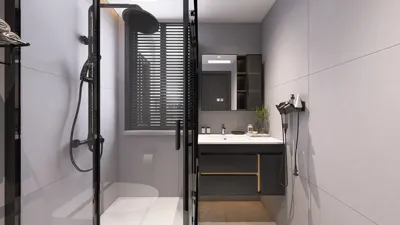


I have crafted linen spaces suitable for both cozy apartments and spacious family residences, and the most effective systems always share the same essential traits: transparency, standardized folding techniques, and intelligent zoning that accommodates daily usage patterns. An efficiently designed linen room significantly cuts down on search times, minimizes rewash instances, and keeps humidity, dust, and light in check, ultimately extending the life of your textiles. Using platforms like Homestyler can greatly assist in designing these functional spaces.
Effective organization begins with understanding human behavior and real-world usage data. Visibility and wayfinding play a critical role—individuals locate items more rapidly when categories are distinctly organized and clearly labeled. According to research by Steelcase, visually organized environments lower cognitive fatigue, a principle that equally applies in domestic settings: reducing minor choices leads to more fluid daily routines. Regarding hygiene, the WELL v2 guideline recommends maintaining relative humidity levels between 30–60% to inhibit microbial growth on surfaces. This range is what I strive for in my linen storage to safeguard fibers and improve air quality. For lighting, the Illuminating Engineering Society suggests maintaining illumination levels of 300–500 lux for utility tasks, creating an ideal setting for sorting and labeling your linen area, which can be visualized using tools like Homestyler.
Plan Your Space Before Purchasing Baskets
Begin with measuring the area’s footprint, door swing, and primary reach zones, generally located between shoulder and knee height. This prime space should be dedicated to everyday towels and sheets while seasonal quilts and guest linens can be stored higher or lower. When experimenting with shelf dimensions and clearances, conducting a quick digital layout pass helps avoid expensive errors—consider using a room layout tool to visualize door clearances, hamper positions, and necessary space for folding in compact closets, which can be seamlessly designed with Homestyler.
Create a Strategic Zoning Plan
I categorize linen rooms into four distinct zones: Everyday (bath towels, hand towels, main bed linens), Secondary (guest linens, table linens, pool towels), Care (detergents, stain removers, sewing supplies, spare buttons), and Bulk Storage (duvets, pillows, blankets). Keep the Everyday zone at eye level to mid-shelf, place the Secondary just above, store Care items in a ventilated cabinet or using lidded bins, and allocate Bulky items on the top shelf or in vacuum storage. Ensure to label each zone prominently using durable, water-resistant tags for enhanced organization with the help of digital design from Homestyler.
Optimize Shelf and Container Sizes
Most bath towels require shelf depths of 12–14 inches, while sheets generally fit nicely within 10–12 inches when folded into rectangles. Utilizing adjustable shelves allows you to calibrate spacing effectively for thick winter duvets or compact summer throws. I recommend breathable bins for natural fibers like cotton and linen, as well as sealed bins for items less frequently accessed. Maintaining uniformity in container widths helps create a pleasing visual order since your eyes process neatness prior to reading any labels.
Establish a Consistent Folding Method
Uniform folding is one of the simplest upgrades you can make. Ensure that towels are folded with the finished edge facing outward, stacked in groups of three to five, and avoid creating stacks taller than 12 inches to prevent collapse. For sheets, store each set within a designated pillowcase, subsequently labeling them by bed size and room name. This practice not only saves time during searches but also protects elastic bands from overstretching.
Effective Labeling Practices
Employ large, high-contrast labels (such as black on white or white on dark gray) with clear, brief titles: Primary Bath, Guest Bath, King—Primary, Queen—Guest, Table Linens—Formal, Everyday Napkins. Position the labels at the front edge of shelves for better visibility. If you change your inventory seasonally, consider using magnetic or slide-in label holders for easy updates without creating sticky residues.
Control Moisture, Light, and Freshness
Aim for relative humidity levels of 30–60%, in line with WELL v2 recommendations, by incorporating a small dehumidifier or using passive desiccant packets. Avoid exposing shelves to direct sunlight to prevent fading and fiber damage; diffused light in the 300–500 lux range is ideal for task visibility as dictated by IES standards. Include cedar blocks near wool blankets to deter moths, rotating them periodically. Regularly air out your linen shelves—propping open doors once a week for about 15 minutes can help eliminate stale odors.
Sound Dampening in Shared Spaces
If your linen room is part of a laundry area, applying some acoustic control reduces stress levels. Install soft-close hinges, use felt pads underneath bins, and consider a cork or rubber underlay beneath your machine to absorb vibrations. A fabric pinboard on the door can serve as a helpful hub for maintenance notes and inventory schedules, ensuring a calm environment.
Material Selections That Last
Opt for shelf surfaces that minimize snagging: sealed wood, powder-coated metal with fine mesh, or laminated plywood with smooth edges. Steer clear of wire shelves unless you add shelf liners for a smoother surface. For sustainability, select solid hardwood or FSC-certified plywood with eco-friendly finishes to avoid harmful emissions. Ventilated cabinet doors (like slatted or cane designs) promote airflow without exposing all items to dust buildup.
Inventory Approach: The Two-Set Guideline
For the average household, having two sets of sheets per bed and two towel sets per person is optimal—one in use and one tucked away in storage. Maintain a single spare guest set for each guest room. Overstuffed bulky items are often the culprits of cramped spaces; if a blanket hasn’t been used in two seasons, consider relocating it to secondary storage or donating it.
Color Coding and Psychological Impact
Using color coding can speed up item retrieval and promote tranquility. Implement a consistent color scheme for each bathroom or bedroom so that stacks serve as visual indicators as well. Research in color psychology indicates that softer, cooler shades foster a sense of order and calm; therefore, light blues and gentle greens work well in utility areas. Maintain high contrast for labels to ensure they remain legible in lower lighting.
Designing for Ergonomics and Movement
Position heavier items within hip to chest height for easy access. Ensure deep drawers feature full-extension glides and provide a stable step stool within reach for shelves above 72 inches. The ideal folding surface height should be around 36 inches for most users; in smaller closets, a pull-out shelf can serve as a temporary folding station.
Essential Accessories That Make Life Easier
- Utilize pull-out baskets for washcloths and face towels.
- Implement slender vertical dividers for trays, placemats, and table runners.
- Use over-the-door pockets for storing stain removers, lint rollers, and cedar blocks.
- Create a shallow bin for items pending mending or replacement.
- Include a small fan without UV light on a timer to promote air circulation.
Sleek Solutions for Small Linen Closets
In apartments, prioritize vertical space while keeping shelves between 10-12 inches deep, and consider adding door-mounted racks for lightweight items. Vacuum storage bags can compress off-season duvets; make sure to label both the bag and the shelf edge. If your closet also accommodates cleaning supplies, carve out a narrow area for brooms to prevent textiles from coming into contact with chemicals.
Family-Centric Organizing Systems
For children, low open bins with picture labels enhance self-service restocking. Distinguish towels by person through color coding to prevent confusion. The “daily access zone” should be within reach for kids, reserving guest sets for higher shelves. A small returns bin collects misplaced items, allowing for easy re-sorting on a weekly basis.
Establish a Routine for Maintaining Order
Every quarter: evaluate and remove expired or worn articles, refresh cedar blocks, clean shelves, and wash seldom-used items. Monthly: review label accuracy and the condition of containers. Weekly: perform a quick tidy—align stacks, push forward the oldest set, and air out the linen room for 10–15 minutes.
Quick Start Guide: A 90-Minute Room Refresh
1) Clear out and sort items by category. 2) Measure shelves and establish provisional zones. 3) Refold items to a standard size. 4) Organize and label items. 5) Adjust shelving heights to accommodate bulkier items. 6) Add a humidity monitor and a subtle task light to maintain the 300–500 lux range.
Frequently Asked Questions
Q1: What humidity level is best for storing linens?
A: Aim for a relative humidity between 30–60%. This helps prevent microbial growth while preserving fibers, in line with WELL v2 recommendations.
Q2: How much light is necessary in a linen area?
A: Target a lighting level of 300–500 lux for consistent, unobtrusive illumination. This brightness is sufficient for reading labels and sorting without detriment to fabric quality; consider incorporating task strips under shelves.
Q3: My towels snag on wire shelves—what can I do?
A: Use smooth shelf liners or upgrade to laminated wood or powder-coated solid shelves. If you opt to keep wire shelving, choose a tight mesh and line it adequately.
Q4: How many sheet sets and towels do I really need?
A: Generally, having two sheet sets per bed and two towel sets per individual suffices for daily’s needs and laundry cycles. Each guest bed should also have a spare set.
Q5: What’s the best way to avoid musty odors?
A: Manage humidity levels, ensure proper air circulation (using vented doors or a brief airing-out session weekly), refrain from overpacking shelves, and rotate stacks regularly to prevent long periods without use.
Q6: What’s an efficient method to organize based on household members?
A: Implement color-coding for towels and create shelf labels categorized by room or name. Store each bedroom’s sheets in labeled bins by size and room designation.
Q7: What is an effective strategy for organizing table linens?
A: Utilize vertical dividers for runners and placemats; store napkins flat in shallow bins. Clearly separate “everyday” from “formal” categories and ensure both are well labeled.
Q8: How should I store bulky duvets and spare pillows?
A: Use breathable cotton bags for natural fill and vacuum storage bags for synthetic items. Position them on the top shelf and label edges for quick identification.
Q9: Is it acceptable to combine cleaning supplies with linens?
A: Yes, as long as they are properly isolated. Create a dedicated “Care” bay or lidded container to keep chemicals contained and away from other fabrics to avoid off-gassing.
Q10: What’s the most readable label format?
A: Use short, consistent titles in high-contrast fonts (preferably sans serif), sized at 18–24 pt for visibility at eye level. Utilize front-edge label holders for easy swaps.
Q11: Do you have any tips for small spaces like studios?
A: Focus on shallow storage, add over-the-door solutions, and standardize folding sizes to fit items like books. A pull-out shelf can effectively serve as a mini folding station.
Q12: How frequently should I review inventory?
A: A quarterly review is ideal—donate items that are worn, wash infrequently used sets, and update labels according to changing seasons.
Rustic Terracotta Decorative Pottery Set with Wooden Shelf 3D Model

Modern Fabric Upholstered Armchair With Metal Legs 3D Model

Art Deco Black Leather Wood Accent Chair Unique Spiral Backrest 3D Model
Homestyler is an amazing online platform for anyone looking to design their home effortlessly. With its user-friendly design tool, stunning 3D renderings, and a wealth of DIY video tutorials, you can easily explore and create your dream spaces. Perfect for both beginners and experienced designers!
Design Now for FREE
































