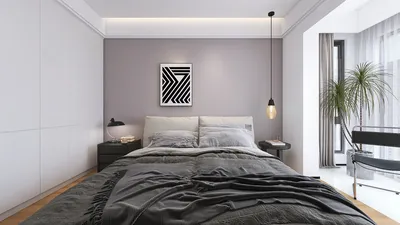


Selecting the ideal queen room hotel involves focusing on comfort, proportion, and the finer details that significantly impact your ability to sleep, work, and relax. It is essential to consider the dimensions: a standard queen bed measures 60" x 80", which determines the arrangement of walkways, desk placement, and access to storage. A well-chosen room seamlessly incorporates concepts of ergonomics, acoustic management, and quality lighting—essential factors that extend beyond merely the bed size label. Utilizing a room simulation tool like Homestyler can enhance your planning process by visualizing space and layout.
The quality of sleep and access to natural light play crucial roles that surpass the appeal of stylish finishes. According to Gensler’s U.S. Workplace Survey, individuals who work remotely prioritize tranquility, noise control, and natural lighting in their accommodation of choice; these aspects are equally important in hotel rooms tailored for hybrid travelers. WELL v2 identifies lighting parameters to support biological rhythms, focusing on intensity, spectrum, and control to aid in minimizing jet lag and nighttime disturbances. This framework helps me assess room lighting setups that can lessen fatigue for guests arriving from various time zones. For those utilizing rooms as temporary workspaces, research from Herman Miller links ergonomic setup and seating posture to reductions in physical strain, underscoring the advantage of an adjustable chair and desk in a queen room.
How a space is organized can greatly influence its usability. A queen room should ideally provide at least 30–36" of unobstructed circulation around the bed and direct access to the bathroom and closet. When comparing hotels, I evaluate whether the desk placement avoids glare from windows, whether bedside lighting offers 300–500 lux for reading without brightening the entire room, and whether blackout shades effectively block morning light. If a property shares layout diagrams, using a layout simulation tool such as Homestyler can assist in anticipating flow and fitting for furniture placement.
Understanding Key Dimensions and Spatial Ratios
A well-designed queen room prioritizes circulation and reach distances. Ensure a minimum clearance of 36" on one long side of the bed and no less than 30" on the other for tighter urban spaces. Optimal bedside tables should be around 24–28" in height, allowing for natural resting of your forearm. Achieving visual harmony is vital: centering the bed alongside the window or aligning it with prominent wall features fosters symmetry and diminishes visual chaos. Mount the television at an eye level of approximately 42–48" when seated, while avoiding reflections from windows that could cause glare.
Lighting Considerations: Comfort, Control, and Circadian Rhythms
Implementing layered lighting is essential for both relaxation and productivity. I aim for ~300 lux of ambient light for general tasks, ~500–700 lux at desks for focused work, and 200–300 lux of warm bedside lighting (around 2700–3000K) for evening wind down. The Illuminating Engineering Society (IES) guidelines for hospitality stress the importance of glare management, uniformity, and appropriate task lighting; I cross-check hotels that offer dimmable bedside fixtures and glare-safe desk lamps. Accommodations providing tunable white lighting or distinct warm/cool options make late-night work less daunting and help ease mornings.
Focus on Acoustics and Sleep Quality
Acoustic comfort is a significant distinguishing factor. Request rooms situated away from elevators and ice makers, and inquire if the doors are solid-core with well-sealed thresholds. Carpets that incorporate dense underlayments and cushioned panels enhance sound absorption, while rooms with only hard flooring tend to amplify noise. A queen room located near mechanical areas may experience disruptive low-frequency vibrations; I often ask for floor plans or consult staff about quiet zones during the booking process.
Ergonomics for Hybrid Work Requirements
For those intending to work, an ideal desk should have a depth ranging from 24–30" and a chair that provides adequate lumbar support. Herman Miller's studies on seated posture emphasize the importance of a neutral spine and relaxed shoulders; a functional adjustable task chair is more beneficial than a decorative dining chair. Positioning the desk perpendicular to windows minimizes glare on computer screens, and the monitor's top should ideally be at eye level. Access to power is crucial: including two outlets at the desk, two by each bedside, and at least one USB-A/C port facilitates easy charging.
Color Psychology and Mood Enhancement
Colors play a pivotal role in the perception of tranquility. Studies highlight that muted blues and gentle greens create restorative environments; warm neutrals provide a welcoming atmosphere without overstimulation. Highly saturated reds near the bed can increase arousal levels, making it harder to relax; thus, I opt for cooler palettes that complement warm lamp temperatures at night to harmonize alertness and relaxation.
Sustainable Materials and Cleanliness
The choice of materials influences both cleanliness and sensory experience. Look for headboards upholstered in wipeable fabrics, durable carpets with low-VOC backing, and sturdy surfaces on nightstands. Utilizing low-emission finishes and ensuring well-ventilated bathrooms help to minimize odors and harmful off-gassing. Emphasizing sustainable features—such as LED lighting, water-efficient fixtures, and responsibly sourced woods—indicates a commitment to operational excellence.
Storage Solutions, Flow, and Daily Routines
Effective storage enhances organization during short stays: a closet width of 48–60" with two-tier hanging options, drawers underneath the TV unit, and a luggage bench near the door contribute to a functional layout. The most efficient configurations position the bed to allow one person to exit with ease while keeping the bathroom entrance unobstructed. To better understand floor plans prior to booking, using an interior layout planner can help visualize storage and movement pathways.
Coordinating Bathrooms and Lighting
Bathrooms benefit from ample vertical task lighting at mirrors to prevent shadows. A lighting temperature of 2700–3000K is ideal for evening routines, while brighter ambient levels assist with morning preparations. Ensure there is non-slip flooring and shelves or recesses in the shower; avoid designs where the door swings impede access to towels.
Strategic Booking: Deciphering Room Descriptions
Images can sometimes obscure tight spaces. Review photos for the distance between the bed and wall, the position of the TV relative to the bed, and whether the bedside lamps have individual switches. Room descriptions highlighting desk dimensions, blackout shades, and soundproofing typically suggest more thoughtful design. Requesting rooms on higher floors, especially those facing courtyards and situated away from service areas can lead to quieter nights.
Compact Comfort: Solutions for Urban Queen Rooms
In smaller city hotels, enhance movement efficiency by incorporating sliding bathroom doors, wall-mounted nightstands, and under-bed storage options to keep spaces clear. Wall sconces can replace bulky lamps, and foldable desks positioned by windows may meet ergonomic height standards if knee clearance is also accounted for.
Traveling as a Pair or Family: Comfort in Shared Spaces
When accommodating two guests, features like dual reading lights, multiple sets of outlets, and equal space on nightstands enhance comfort. Be mindful of duvet weights for warmth; request lighter bedding if necessary. If one person works late, focused task lighting can prevent disturbance to others.
Accessibility Features to Consider
Accessible queen rooms must include 36" clear doorways, roll-in showers with handheld sprays, lever-style handles, and lowered closet rods. The finest designs ensure switch placements are within reach, while bed height facilitates easy transfers. Even for those without specific needs, such accessible layouts frequently provide a more comfortable experience for all guests.
Frequently Asked Questions
Q1: What lighting levels should I look for in a queen hotel room?
A: Strive for approximately 300 lux ambient light, 200–300 lux warm bedside lighting (2700–3000K), and 500–700 lux at the desk. These ranges align well with hospitality task requirements, corresponding to IES guidelines.
Q2: How can I minimize noise in a hotel room?
A: Opt for rooms distanced from elevators, service areas, and street-facing façades. Look for carpets, soft furnishings, and solid-core doors. Higher floors and courtyard-facing rooms typically experience less traffic noise.
Q3: What makes a queen bed layout comfortable for two persons?
A: Aim for 30–36" of clearance on at least one side, ensure dual switched reading lights, accessible outlets on both sides, and a TV that aligns with the bed’s center. Individual controls assist one partner in remaining undisturbed while the other reads or works.
Q4: Is having a desk necessary in a queen room?
A: Absolutely, especially if you work while traveling. A desk depth of 24–30", along with an adjustable chair and convenient outlets, promotes better posture and efficiency. Research indicates that ergonomic support is linked to reduced strain during extended computer work.
Q5: How does color impact sleep quality?
A: Softer shades of blue, green, and warm neutrals are conducive to relaxation. Intensely saturated reds and bright white hues can increase arousal. Consider pairing calming colors with warm bedside light for evening activities.
Q6: What critical aspects should I examine in bathroom design?
A: Look for effective vertical lighting at mirrors, non-slip flooring, sufficient ventilation, and shelf or niche availability. Ensure door swings won’t obstruct towel access or interfere with the bed or closet.
Q7: Are blackout shades worth requesting?
A: Definitely. Properly installed blackout shades significantly reduce early light intrusion and help in maintaining circadian rhythm, aligning with WELL v2’s goal to limit unwanted nighttime light exposure.
Q8: How do I identify a well-insulated room from images?
A: While it can be challenging to determine, clues include solid doors, carpets with cushioned underlayments, and soundproofing panels. Look for room descriptions that mention insulation, double glazing, or quiet flooring as promising indicators.
Q9: Which floor is advisable for quiet accommodation?
A: Mid to higher floors away from mechanical and service areas are generally quieter. Corner suites can also provide tranquility, provided they are not adjacent to service shafts.
Q10: Does window orientation have significance?
A: Certainly. East-facing rooms may receive excessive morning light; thus, blackout shades are beneficial. Rooms facing west can heat up in the afternoon—consider inquiring about window shading or thermal glazing options.
Q11: What recommendations can you provide for compact queen rooms?
A: Opt for wall-mounted nightstands, under-bed storage solutions, sliding doors, and vertical lighting systems. Utilizing a layout planner can help visualize traffic flow before your stay.
Q12: In what ways do sustainable features enhance comfort?
A: LED lighting reduces glare and minimizes heat, low-VOC materials enhance air quality, and water-efficient fixtures help balance humidity. These features increase comfort as much as they benefit the environment.

Homestyler is your go-to online home design platform, perfect for any design enthusiast! With its easy-to-use design tool, stunning 3D renderings, and a treasure trove of DIY video tutorials, you can effortlessly create and visualize your dream spaces. Start designing today!
Design Now for FREE
































