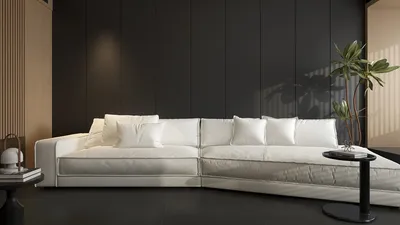


Jhumars, our culturally significant term for decorative hanging chandeliers, embody an exceptional fusion of traditional elegance and modern flair. They serve a purpose beyond mere lighting in any hall; they help define proportions, guide movement, and set the emotional ambiance of the space. When I select a jhumar for a contemporary hall, I begin with assessing the light attributes, ceiling height, and traffic flow, fine-tuning the materials and colors to complement the architectural style, ensuring the fixture looks intrinsic to the design rather than an afterthought.
Performance is crucial in lighting design. According to the WELL v2 standards, maintaining pleasant ambient light levels while reducing glare and visual fatigue is essential. The appropriate combination of ambient and task lighting often targets a range of 300–500 lux in social areas, emphasizing glare management to enhance visual comfort. This principle is where the thoughtful design aspects of a jhumar—its shielding, light diffusion, and dimming features—transform from being merely aesthetic choices into practical necessities.
Proportion is of utmost importance. To determine scale, I rely on mathematical ratios: the diameter of the jhumar should be approximately 1/12 to 1/9 of the room's narrower dimension, ensuring it remains noticeable without dominating the space. The installation height needs to consider human clearance: the lowest point should be placed at least 2.2 to 2.4 meters above the floor in high-traffic halls. In double-height rooms, I might incorporate a layered drop that aligns with the sight lines from the upper levels. For projects involving multiple setups under the fixture, using a room design tool is invaluable for validating symmetry and circulation patterns prior to the final installation.
Design Principles for Modern Hall Jhumars
• Visual hierarchy: A jhumar should act as a subtle focal point rather than being overwhelming. In minimalistic architectural settings, I often explore slender linear crystal designs or frosted glass options with low-glare diffuse technology. In more elaborately detailed halls, multi-layered jhumars with warm metallic highlights can elegantly complement architectural features like cornices and moldings.
• Light environment: My goal is to achieve a color temperature range of 2700–3000K to create a welcoming atmosphere. The Illuminating Engineering Society (IES) recommends selecting light color temperatures that align with the intended use; warmer hues diminish harshness and enhance the visual appeal of materials in social environments. Dimming the light levels to 10–20% during the evening fosters an inviting ambiance without sacrificing visibility.
• Color psychology: The combination of warm lighting and soft gold or copper finishes evokes feelings of comfort and togetherness. Insights from Verywell Mind indicate that warm colors foster an inviting atmosphere, which I reflect through the finishes and light tones of the jhumar, ensuring the hall maintains an emotionally cohesive design.
• Acoustic comfort: In busy halls, incorporating porous or felted designs for jhumar bodies—or integrating acoustic materials—can significantly reduce reverberation. If the venue features hard surfaces like stone and glass, I introduce textiles or additional sound-absorbing layers to improve the acoustics.
Choosing the Right Scale and Drop
Scale perception begins at entry points. Upon entering a hall, guests' eyes should comfortably connect with the jhumar at mid-point view. In spaces with heights ranging from 3.0 to 3.6 meters, I recommend using a compact multi-tier or single-ring design, suspended 75–100 cm from the ceiling. In double-height spaces, cascading or multi-ring shapes are effective, provided the lowest tier is positioned well above head height while maintaining visual harmony with the mezzanine or clerestory levels. I like to align the central axis of the jhumar with the main furniture arrangement or area rugs, employing an interior layout planner to explore off-center placements when necessary for circulation.
Material Selection and Sustainability
Materials must be durable and aesthetically pleasing. I prefer lead-free crystal or high-clarity acrylic with micro-etched lenses for sparkle without glare problems. Finishes like satin brass and pewter are effective at resisting fingerprints while adding to contemporary designs with blackened steel. I prioritize selecting modular structures and replaceable LED sources with a 90+ CRI to maintain color integrity essential for art displays and textiles. Research from Steelcase and Herman Miller highlights the connection between material quality and perceived wellbeing among occupants; a finely crafted jhumar usually enhances satisfaction within a space. For sourcing unique materials and understanding their lifecycle, Material ConneXion provides valuable insights on various composites.
Light Quality: Lux, Glare, and Control
Aim for ambient lighting levels between 300–500 lux in halls, incorporating accent fixtures or wall washers to highlight artworks and textures. Implement multi-circuit lighting control systems: one for the core jhumar lighting, another for downlights, and a third for accents. Managing glare is critical; I choose shades, prismatic diffusers, or baffles that minimize luminance visible at eye level. Additionally, I synchronize dimming settings with scene presets tailored for different times, ensuring circadian comfort throughout the day. WELL v2 guidelines advocate for flicker-free power supplies; therefore, I insist on high-quality drivers and confirm R9 values to ensure accurate skin tone representation.
Compositions That Feel Contemporary
• Ring clusters: Graceful thin rings in brushed brass or matte black, featuring inward-facing LEDs that create a soft halo effect.
• Tiered glass: Frosted inner cylinders encased in clear outer shells for a brightness that feels layered yet gentle on the eyes.
• Linear cascades: Staggered glass tubes that evoke a sense of rainfall; I keep the spacing consistent to avoid creating visual clutter.
• Sculptural minimalism: An oversized drum shade crafted from double-diffused fabric evokes a serene and upscale aesthetic.
Color and Finish Strategies
I create harmony by balancing warm metallic surfaces with cool glass finishes—pairing brass with opal glass and gunmetal with clear crystal. If the hall features rustic stone flooring, I may lean more towards champagne brass accents; whereas in settings with stark concrete elements, a shift to blackened steel can provide striking contrast. According to findings from Verywell Mind, warm tones enhance sociability while cool shades maintain a sense of tranquility. The jhumar can gracefully bridge these two aspects.
Integrating the Jhumar with Architecture
The design of the ceiling plays a critical role in fixture placement. For coffered ceilings, centered jhumars within dominant bays are ideal; vaulted ceilings allow for longer drops to emphasize verticality. In expansive halls, I frequently complement the main jhumar with smaller fixtures to maintain balance across long sightlines. Regularly verifying structural support, such as trusses and load capabilities, is essential before finalizing heavy crystal designs. For intricate furnishings, I utilize layout simulation tools to confirm that the jhumar doesn't obstruct seating arrangements or pathways.
Human Factors: Heights, Flow, and Safety
Ensure a minimum of 2.2–2.4 meters of clearance beneath the lowest point of the jhumar. Maintain at least 900 mm of space around furniture clusters to prevent interference with the fixture. If the design includes delicate pendants, I refrain from placing them directly above transition areas or children's play zones. Additionally, I prioritize easy maintenance access, ensuring features such as removable panels, secure ladders, and accessible dimming controls are available at convenient heights.
Installation and Maintenance
Pre-install multiple circuit wiring and verify dimmer compatibility (ELV/0–10V/DALI). I recommend using safety-rated suspension systems and lock nuts on all decorative connections. It is crucial to select finishes that can withstand gentle cleaning, avoiding ammonia-based cleaners on lacquered surfaces. LED components should come with known L70 lifetimes and field-replaceable drivers. A subtle uplight can help diminish shadows on the ceiling, maximizing cleanliness intervals.
Budget-Savvy Options
In situations where budgets are constrained, I opt for simpler designs with refined detailing such as etched acrylic resembling crystal or clean, metallic trim drums. Quality lighting sources paired with careful proportion often create a more significant impact than overly elaborate fixtures. Additionally, incorporating wall sconces can complete the overall design without significantly increasing costs.
Frequently Asked Questions
The starting diameter for the jhumar is typically around 1/10 of the room's narrower dimension, which I then adjust according to furniture placement and ceiling height.
Maintain a clearance of at least 2.2–2.4 meters beneath the lowest fixture, adjusting slightly higher for taller guests or large entrances nearby.
Setting the jhumar at a color temperature of 2700–3000K delivers a welcoming social atmosphere, with dimming options to transition from welcoming to evening settings.
Select diffusers, shades, or inward-facing LEDs while avoiding direct visibility of high-luminance points at eye level. Dimming options should be coordinated accordingly.
Absolutely—utilizing felted bodies or integrated acoustic features is beneficial; it's also wise to incorporate rugs and soft furnishings to help minimize echoes.
For contemporary spaces, high-CRI LEDs paired with flicker-free power supplies provide both efficiency and consistency, ensuring repairable components for durability.
Center the jhumar over the main seating arrangement or console; testing different configurations with an interior layout planner can ensure both circulation and symmetry are maintained.
Materials like satin brass, pewter, and blackened steel are effective choices as they resist fingerprints and develop attractive patinas over time; clear lacquer can protect them but may change their appearance gradually.
Yes—pairing a main jhumar with smaller satellite fixtures helps create a balanced light distribution and sightlines across longer spaces.
Plan for an ambient level of approximately 300–500 lux, and add accent lighting to highlight art and textures, utilizing multi-circuit controls for ease.
Heavy crystal jhumars necessitate thorough checks of load paths, proper anchors, and potentially additional supports; verification is essential before purchasing.
Regular dusting and use of non-ammonia cleaning solutions are recommended, alongside planned inspections for suspension hardware and electrical components.
I consider the jhumar as the signature piece of the hall—its lighting should be comforting, its materials durable, and its design should facilitate fluid movement throughout the space. If these three elements are aligned correctly, the fixture will be a beloved component for many years to come.
Looking to transform your space? Try Homestyler! This user-friendly online design platform offers an intuitive design tool, stunning 3D renderings, countless design projects, and helpful DIY video tutorials. It's perfect for anyone wanting to unleash their creativity with ease!
立即免费设计
































