

Throughout my experience as a designer for hospitality clients and as a traveler prioritizing tranquility and ergonomic comfort, I've assessed numerous executive rooms. The finest executive accommodations offer more than just an upscale appearance; they are meticulously designed for well-being, enhancing focus and facilitating relaxation. The WELL Building Standard emphasizes that quality lighting, sound management, and thermal comfort can significantly impact cognitive function and sleep quality—two essential elements for business travelers. According to Steelcase, environments that support ergonomic posture and allow for movement can alleviate discomfort and boost productivity, which is crucial whether you’re finalizing a presentation or unwinding after a long journey.
In executive rooms, ensuring optimal lighting and visual comfort is essential. The Illuminating Engineering Society recommends task lighting ranging from 300 to 500 lux for tasks like reading and working on a computer, while warmer ambient light temperatures (2700–3000K) help to ease guests into relaxation during the night. Additionally, WELL v2 underscores the importance of lighting that supports circadian rhythms and acoustic comfort as key elements that contribute to mental clarity and sleep quality, providing measurable standards to assess spaces before booking.
What Justifies the Extra Cost for an Executive Room
Executive rooms usually offer extra space, quieter locations on higher floors, enhanced soundproofing, luxurious bedding, and exclusive lounge access with complimentary breakfast and evening snacks. I specifically look for features such as adjustable lighting options, a work desk designed for ergonomic use (approximately 28–30 inches in height) combined with a supportive chair, blackout curtains with side channels, and wall and floor constructions that minimize hallway noise. Ideally, these rooms harmonize soft materials for acoustic absorption with durable, low-VOC options, creating a healthier indoor environment.
Essential Pre-Booking Criteria: Comfort and Design Insights
Utilize this checklist to differentiate between genuine value and marketing gimmicks:
Interpreting Hotel Photography and Descriptions
Hotel photos can be deceptive. Pay attention to details such as the type of window coverings (do the blackout curtains feature side channels?), desk illumination (a solitary decorative lamp raises concerns), and floor finishes (hardwood accompanied by an area rug generally indicates better sound absorption than continuous glossy tiles). Also, consider ceiling heights and the positioning of bulkheads, as low bulkheads near the bed may contribute to a sense of visual heaviness that can disrupt sleep for some guests.
Selecting an Effective Layout for Work and Relaxation
The arrangement of furniture plays a critical role in how well a room can separate work from relaxation. Personally, I prefer layouts where the desk faces either a wall or a window that minimizes glare, while the bed is somewhat shielded by a sofa or a low partition. This gentle zoning helps to manage cognitive overload, allowing your brain to associate the bed primarily with rest rather than work tasks. To effectively compare room layouts, consider using an interior design tool or an online layout planner to visualize the flow and sight lines before making a decision.
room layout tool
Lighting Strategy: Serene Evenings and Refreshing Mornings
In the evening, aim for warm lighting (2700–3000K) with dimmable options to encourage melatonin production. Ensure that task lighting on the desk is direct and free from glare; an adjustable lamp with a diffuser is preferable to decorative uplights. In the morning, allow for natural daylight by opening sheer curtains to promote alignment with circadian rhythms. A bathroom mirror with consistent, even lighting can help reduce shadows and minimize visual fatigue during grooming.
Sound Quality: Achieving Quiet Luxury
Request rooms on higher floors, particularly at the end of corridors, while avoiding stays near ice machines or service elevators. Rooms that overlook internal gardens or courtyards often minimize street noise. Inside, fabric headboards, upholstered furniture, and curtains improve sound absorption. For nights that might be particularly noisy, a compact white-noise machine or app can help enhance the acoustic environment.
Essential Ergonomics
An ergonomic chair with lumbar support and a desk height of 28–30 inches keeps wrists aligned. If the chair lacks adjustability, request cushions for added height. Position your laptop so that the screen top is at eye level; don’t hesitate to ask for a tray or a stack of books if adjustments are necessary. It’s important to stand up and stretch or change your posture every 30 to 45 minutes; environments that encourage movement have been shown to reduce strain and enhance concentration.
Understanding Color Psychology and Material Preferences
Cooler tones like subdued blues and greens can help reduce agitation and foster recovery, while muted warm neutrals convey coziness. Try to avoid spaces dominated by bright, intense colors if you tend to be sensitive to visual stimuli. Selecting natural materials—like wood, textured fabrics, and matte finishes—can enhance sound absorption and provide a sense of grounding compared to glossy surfaces. Low-VOC finishes and paints help minimize unpleasant odors that could disturb your peace.
The Executive Lounge: Genuine Advantages versus Superficial Perks
The finest executive lounges deliver tranquility, ample daylight, varied seating options, and dependable refreshments. Pay attention to designated areas: high-tops for work, lounge chairs for phone calls, and small tables for quick discussions. Confirm the lounge's operating hours, the quality of breakfast offerings, and evening snacks; if your travel schedule requires an early departure, extended operating hours may become a priority over beverage selections.
Booking Strategies to Ensure the Ideal Room
- Weekday versus weekend: Hotels that attract business travelers often free up better executive rooms over the weekend.
- Direct requests: Reach out to the hotel via email outlining specific preferences—such as a high floor, corner room, distance from elevators, side-channel blackout curtains, and an adequately lit desk lamp.
- Loyalty perks: Elite membership levels frequently provide guaranteed room types or priority for quieter rooms and higher floors.
- Timing: For the best deal, reserve flexible rates early, then monitor prices closer to your stay and rebook if you find lower rates.
Initial Room Inspection: A Quick 5-Minute Routine
1) Check the blackout curtains for any light leaks. 2) Test desk outlets and assess Wi-Fi quality. 3) Review water pressure and shower drainage. 4) Listen for any noise from the corridors or HVAC systems. 5) Adjust the thermostat to a comfortable range for sleep (usually 18–20°C / 64–68°F). If any aspect feels off, promptly request a room change—front desks usually have alternative options available early in the evening.
Indicators of Sustainability and Wellness
LED lighting with warm dimming, occupancy detectors, refillable bathroom amenities, and advanced air filtration systems indicate a hotel committed to forward-thinking practices. Look for clear policies regarding indoor air quality and the use of durable, low-emission materials, as these features help reduce irritants and foster a more pleasant stay. Properties that strike a balance between sustainability and comfort generally exhibit better maintenance standards overall.
Common Questions
Inquire with the hotel about the color temperature (2700–3000K ambient), dimming capabilities, and the availability of desk lamps. If possible, request a room located on the sunlit side of the building.
The desk should ideally be 28–30 inches high with a depth of a minimum of 24 inches, in addition to featuring an adjustable chair with lumbar support. Verify the presence of outlets at desk height.
Opt for a corner room on a higher floor, away from elevators and ice machines. Courtyard views can be advantageous. Within the room, select options with rich fabrics and consider using a white-noise application for ambient sound.
Soft blues, greens, and muted neutral tones encourage calmness. Avoid large areas dominated by high-saturation reds or yellows if you are sensitive to intense colors.
Prioritize warm, dim ambient lighting (around 2700–3000K) using indirect sources. Steer clear of overly bright overhead lighting; instead, rely on bedside and floor lamps to minimize glare.
Utilizing the executive lounge can be beneficial if you require quiet work areas, breakfast, and evening snacks; it may be less significant if your itinerary is fully booked and you won’t make use of the amenities. Always confirm lounge hours and variety of seating options.
Ensure bathroom fixtures provide even lighting, non-slip surfaces, a walk-in shower with consistent water pressure, and efficient ventilation. A small bench or ledge can enhance safety and comfort.
Seek out LED warm-dimming lights, low-VOC finishes, quality air filtration systems, and solid acoustic constructions. Refillable bathroom amenities are more pleasant to use and reduce plastic odor disruptions.
If light leaks are an issue, request a room with side-channel curtains, and consider bringing blackout clips or a towel to block any light leakage.
Generally, corner rooms offer more windows and a sense of separation but may not always guarantee better sound insulation. Confirm the orientation relative to elevators or service areas.
Position the desk away from the bed, utilize a screen or sofa to create a visual barrier, and ensure cables are neatly arranged to minimize visual distractions before sleep.
Consult the front desk regarding typical internet speeds and whether the executive floor utilizes a dedicated network; check your connection upon check-in and switch rooms if it's insufficient.
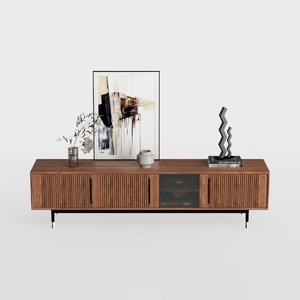

Modern Minimalist Walnut Fluted Door TV Cabinet 3D Model
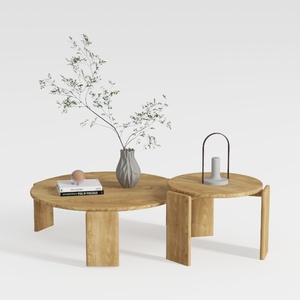
Minimalist Solid Wood Round Nesting Coffee Tables 3D Model
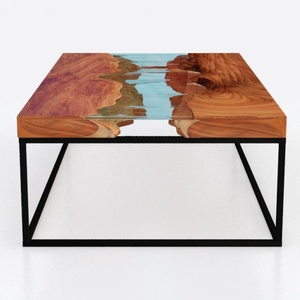
Modern Solid Wood Epoxy Resin Square Coffee Table 3D Model
Homestyler is your go-to online home design platform, perfect for all skill levels! With its user-friendly design tool, stunning 3D renderings, a variety of inspiring design projects, and helpful video tutorials, transforming your space has never been easier or more enjoyable.
Design jetzt kostenlos
































