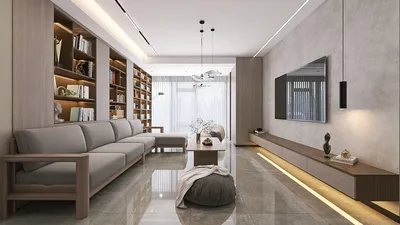


As we look to the future, basement living is transforming into a vital element for the flexibility we desire. According to ongoing NAHB surveys, homeowners are increasingly interested in expanding their living spaces, which in turn amplifies the demand for resilient floor plans, particularly two-bedroom basement designs. This development addresses common concerns related to noise, privacy, and the lack of natural light in existing homes, making tools like Homestyler essential for planning.
Side-by-Side Bedrooms with a Central Spine
Design Logic: This configuration positions two bedrooms along a central hallway, creating private zones while centralizing shared amenities—ideal for multigenerational living or rental options.
Flow: The pathway progresses from the entry to the mud niche, then along the central spine to the living area, bedrooms, and finally the bath, thereby minimizing cross-traffic and enhancing efficiency.
Sightlines: Short corridors, designed with light portals, reveal the living and kitchenette spaces first, creating a secure and inviting environment with the bedrooms positioned at the end.
Storage: Utilizing wall-depth wardrobes and a long utility wall, this layout effectively buffers sound and accommodates seasonal storage needs.
Furniture Fit: The bedroom allows for queen-sized beds (60" x 80") with ample clearance, while a modular sofa and a 24" deep media shelf fit precisely within the space, ensuring optimal circulation.
Verdict: This adaptable layout is well-suited for aging gracefully into duplex arrangements, providing a peaceful living environment for years with minimal adjustments required.
save pin
Split-Zone Bedrooms with Lightwell Living
Design Logic: This design places bedrooms on opposite sides, creating secluded sleeping areas while the living space is anchored by a lightwell. This setup prepares for future work-from-home scenarios enhanced by natural lighting.
Flow: The design flows from the entry into the lightwell living space, proceeding to the kitchenette, bath core, and then to bedrooms A and B, prioritizing brightness in its routing.
Sightlines: The view is funneled towards the lightwell and egress window, with softer peripheral sightlines that preserve privacy within the living areas.
Storage: The use of under-stair drawers and a continuous run of built-ins creates a well-organized storage system, perfect for gear, linens, and larger items.
Furniture Fit: The design accommodates full-size desk modules (48" x 24") in window areas and includes a compact 36" round dining set to maintain circulation flow.
Verdict: This plan provides a hybrid living environment that delivers bright spaces and quiet retreats, reinforcing its durability through various life cycles.
save pin
Suite and Flex Room with Shared Bath Core
Design Logic: This layout features one bedroom functioning as a mini-suite, while the second serves as a flexible studio. The centralized bath core simplifies plumbing needs, paving the way for future auxiliary dwelling unit (ADU) potential.
Flow: The entry leads into a coat cache, transitions to the bath core, then to the suite and flex studio, concluding at a shared kitchenette. This layout balances privacy with practical usage.
Sightlines: Diagonal openings create moments of reveal from the living space to the suite, while sightlines from the flex room remain subdued, akin to a secondary interface.
Storage: With ceiling-height closets and a designated mechanical alcove, this design minimizes clutter and maintains thermal efficiency.
Furniture Fit: A Murphy bed in the flex room (queen size, with 62" clearance when stowed) along with a 30" deep wardrobe preserves clean circulation loops for optimal movement.
Verdict: This layout represents a thoughtful interface, ready for hospitality yet tailored for homeownership, ensuring adaptability over the next five years whether as a rental income source or for family expansion.
save pin
Final Takeaway
Two-bedroom basement floor plans are emerging as a foundation for adaptable living, where elements like privacy, light, and storage function synergistically. With diverse configurations such as split-zone rooms and suite-plus-flex designs, basement spaces are increasingly viewed as future-ready areas rather than mere supplementary spaces. From my perspective, the most intelligent homes of the future will not necessarily be larger but rather more intentional, and it is within these basement plans that such intentions find their most effective expression, especially when utilizing design tools like Homestyler.

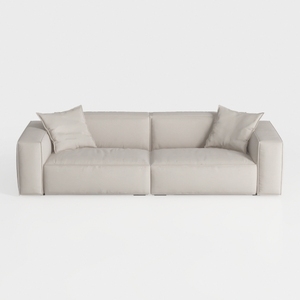
Minimalist Beige Fabric Modern Sofa with Throw Pillows 3D Model

Modern Marble Top Solid Wood Console Table With Decorative Accents 3D Model
Homestyler is your go-to online platform for home design. It features an easy-to-use design tool, stunning 3D renderings, diverse design projects, and engaging video tutorials. Whether you’re a beginner or a pro, bring your interior design dreams to life effortlessly!
立即免费设计
































