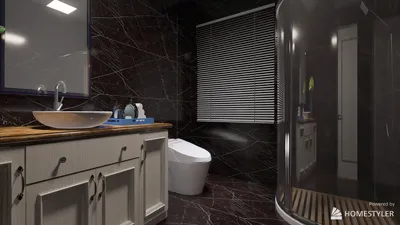


As a designer with over ten years of experience specializing in compact homes, I've observed a notable trend within interior design towards vibrant color choices in bathrooms, with turquoise decor emerging as a particular favorite. Small spaces ignite immense creativity; even a hint of turquoise can transform the mood, scale, and overall character of the room without the need for an extensive renovation. I’m excited to share five proven design inspirations derived from my projects, supported by expert insights, along with practical tips to implement each concept. To kick things off visually, take a look at these turquoise bathroom decor ideas that often serve as my starting points: turquoise bathroom decor ideas.
Turquoise Tile Accent Wall
My Perspective
In my projects, I love employing a turquoise tile accent wall as a central feature in compact bathrooms. For one particular renovation, we installed subway-style turquoise tiles behind the vanity, creating an atmosphere akin to a carefully curated art piece rather than merely a decorative backsplash.
Advantages
An accent wall introduces immediate visual depth and allows for striking turquoise bathroom decor ideas in small spaces without overpowering the area. Utilizing glazed tiles facilitates easier cleaning, with their reflective surfaces enhancing light distribution, making them a practical choice for confined, moisture-prone environments.
Disadvantages
The primary downside is dedication: once the tiles are in place, you're largely committed to that aesthetic. If you're someone who often changes their mind, you may find yourself with a turquoise wall that feels outdated quicker than a painted surface. However, a vintage feel can sometimes enhance character.
Suggestions / Examples / Budget
Select a tile size that aligns with your space: smaller mosaics may create a cluttered look in tiny bathrooms, while medium subway tiles usually offer the best scale. From a budgeting perspective, the cost of glazed ceramic tiles for an accent wall can vary widely; for a focal area of around 6–8 square feet, aim for budget-friendly materials coupled with some skilled installation.
save pin
Glass Elements for Openness
My Perspective
In a recent studio apartment project, replacing a shower curtain with a frameless glass partition and adding turquoise floor tiles extensively enlarged and refreshed the small bathroom. The key is more about maintaining uninterrupted sightlines than the color itself.
Advantages
Using glass shower solutions allows turquoise bathroom decor ideas to shine in small bathrooms without any visual interruptions; a glass partition not only reflects light but also maintains an airy atmosphere. Architectural Digest indicates that clear glass enclosures are among the most effective means to expand the perception of compact bathrooms (Source: Architectural Digest).
Disadvantages
Glass surfaces tend to show water stains and fingerprints. I often joke with my clients that maintaining glass requires either frequent cleaning sessions or a zen attitude towards streaks. Additionally, custom glass can increase overall costs, though pre-made options are available.
Suggestions / Examples / Budget
For those on a budget, consider opting for a single fixed glass panel in lieu of a full door — this provides a sense of openness at a reduced price. Pair this with turquoise wall paint or a mosaic accent behind the shower to achieve a cohesive design rather than one that feels stuck on.
To visualize how glass interacts with both color and arrangement before making a commitment, a quick 3D render can be beneficial; it provides insights into reflections and sightlines at scale.
save pin
White Contrast with Turquoise and Marble Accents
My Perspective
In many of my designs, I combine turquoise with clean whites and subtle marble accents to achieve an elevated yet timeless look. In one rental bathroom, we incorporated white cabinetry along with a turquoise hex tile floor and a thin marble shelf; the contrast exuded freshness and durability.
Advantages
High-contrast color schemes allow turquoise to stand out while white remains soothing to the eye — a classic approach to turquoise bathroom decor that’s particularly effective in small bathrooms requiring brightness. Incorporating marble or marble-look surfaces adds a luxury element without overshadowing the color scheme.
Disadvantages
Marble has a propensity to stain and necessitates upkeep; if you're like me and tend to be a bit chaotic on weekends, opt for porcelain slabs or marble-look tiles that emulate marble without the intensive maintenance. The aesthetic gain is substantial, but practical maintenance should be factored into the budget.
Suggestions / Examples / Budget
Utilize marble as an accent (like a shelf or a narrow counter inset) instead of covering a large surface area to manage costs and care. When selecting tile and quartz alternatives, consult suppliers for samples and evaluate them under your bathroom's lighting before purchasing in bulk.
save pin
Wooden Vanity and Natural Textures
My Perspective
Incorporating wooden tones is one of my favorite strategies when designing with turquoise. In a recent project, I specified a walnut floating vanity against turquoise-painted walls; the warmth of the wood counterbalanced the cooler tones of turquoise, creating a more welcoming feel for clients concerned about a too-“beachy” vibe.
Advantages
Natural wood or wood-like vanities harmonize with the coolness of turquoise and lend a sense of tactile warmth, an effective turquoise bathroom decor strategy for smaller spaces aiming for a spa ambiance. Wood textures provide visual rest and give a purposeful feel to the room, rather than appearing purely thematic.
Disadvantages
Genuine wood near moisture needs adequate protection; I've witnessed vanities warp from neglected finishes. If you're uncertain about sealing, it's wiser to choose well-finished engineered wood or laminate that offers the same aesthetic without complications.
Suggestions / Examples / Budget
Consider opting for a floating vanity to maximize floor space and simplify cleaning efforts. A high-quality engineered wood vanity can provide the appearance for a mid-range budget, while solid walnut or custom carpentry ventures into a more upscale price range. If you're looking to explore layouts that accommodate a wooden vanity and enhance circulation, visual planning tools like Homestyler can assist in testing sizes prior to purchase.
save pin
Turquoise Accessories, Textiles, and Layered Lighting
My Perspective
Occasionally, the simplest and most adaptable approach involves incorporating turquoise through towels, mats, soap dishes, and lighting. In a guest bathroom redesign, refreshing the textiles and pendant lights brought about a radical change without the chaos of construction.
Advantages
Accessories offer a low-commitment method to explore turquoise bathroom decor ideas in small spaces; they’re easily interchangeable and budget-friendly. Layered lighting options, such as a turquoise-tinted glass pendant or warm LED strips behind a mirror, can create a curated and inviting atmosphere.
Disadvantages
The risk associated with accessories is that they may result in a superficial styling lacking coherence; an assortment of mismatched items can render a space chaotic. I’ve been guilty of acquiring a collection of towels in various shades, resulting in a vibrant towel rainbow that was visually stunning initially but turned into a chaotic ensemble.
Suggestions / Examples / Budget
Begin with a cohesive color story: select a distinct turquoise shade along with a neutral tone and a natural texture (such as rattan, wood, or stone). Accessories represent the most economical way to experiment — a budget of about $200 can yield a significant change.
save pin
Summary: Smart Design for Small Bathrooms
Turquoise bathroom decor transcends being just a trend; it's a versatile toolset for small bathrooms when utilized thoughtfully. Whether you opt for a tile accent wall, integrate glass elements, balance turquoise with marble and white, introduce a wooden vanity, or update with accessories and lighting, the essence lies in intentionality and scale. Small bathrooms necessitate intelligent design solutions rather than compromises — this principle governs my approach across various projects.
For a comprehensive visual mock-up before making purchases, consider utilizing a quick 3D render like those available in Homestyler, which showcases how turquoise interacts with diverse materials within your precise layout (a method I frequently employ with clients). Additionally, Architectural Digest’s insights on small-bathroom strategies reinforce this notion — selecting thoughtful materials and maintaining clear sightlines yield significant improvements (Source: Architectural Digest).
Which turquoise strategy are you most eager to implement in your bathroom?
save pin
FAQ
Q1: Is turquoise bathroom decor appropriate for small bathrooms?
Absolutely. Turquoise can appear bright and expansive when associated with reflective surfaces, clear glass partitions, and white contrasts. Employ accents or create a single focal wall to prevent overwhelming a compact area.
Q2: Which shade of turquoise is ideal for small bathrooms?
Mid-tones with a slight teal undertone are generally forgiving; they camouflage minor wear and work well with white and wood. It’s advisable to test paint swatches in your bathroom's lighting before finalizing a choice.
Q3: Is maintaining turquoise in a bathroom challenging?
Not necessarily — glazed tiles and high-quality paint finishes tend to cope well with humidity. The maintenance complications arise more from glass and marble, which require routine cleaning or sealed alternatives.
Q4: Can turquoise be combined with other bold colors?
Indeed, but with consideration: pairing turquoise with one other vibrant hue (such as navy, coral, or mustard) alongside neutrals helps preserve a cohesive color palette. For small bathrooms, I suggest using accents instead of extensive color clashes on walls.
Q5: How do I budget for a turquoise bathroom refresh?
Accessories and paint can easily update a bathroom for under $300; however, upgrades involving tiles, glass, and cabinetry can range from moderate to premium costs, contingent on selected materials and labor. Floating vanities and single-panel glass elements can also help manage expenses.
Q6: Are there eco-friendly turquoise materials available?
Yes — options such as recycled glass tiles, low-VOC paints, and FSC-certified wood vanities are excellent choices for environmentally conscious turquoise bathroom decor. Many suppliers showcase environmental certifications in their product listings.
Q7: How can I test turquoise with my lighting?
Bring paint and tile samples into the bathroom and evaluate them at various times throughout the day. Layered lighting — including task, ambient, and accent sources — influences how turquoise is perceived, so it’s wise to test with the definitive fixtures you intend to use.
Q8: Where can I source design inspiration and realistic previews?
Platforms like Architectural Digest and Houzz offer a plethora of project galleries and expert guidance; for a personalized perspective, I regularly suggest employing a quick 3D render, such as those found in Homestyler, to visualize materials and sightlines before commitment (Source: Architectural Digest). For those who prefer interactive planning, visual case studies and rendering tools can refine choices ahead of any final decisions.
save pin
Discover your dream space with Homestyler! This user-friendly online design platform offers a powerful design tool, stunning 3D renderings, and a wealth of inspiring projects and video tutorials. Transform your home effortlessly and unleash your creativity, regardless of your experience level!
Projete agora para LIVRE
































