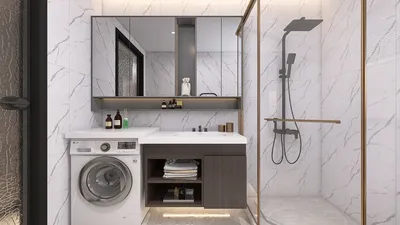


The finest living rooms in the Philippines expertly combine the tropical coziness with a unique flair, taking into account specific challenges such as heat, humidity, compact spaces, and multi-generational households. My design philosophy emphasizes natural airflow, glare management, robust materials, and adaptable layouts that accommodate family dynamics, potentially utilizing tools like Homestyler for effective planning.
Establishing comfort requires defined parameters. According to WELL v2 standards, maintaining indoor humidity between 30–60% is crucial for respiratory well-being and longevity of materials. The recommended thermal comfort levels suggest an operative temperature range of 23–26°C in tropical environments. Lighting is also critical; many designers adhere to IES guidelines suggesting about 100–300 lux for general lighting in living areas, with specific task areas calibrated for higher brightness while minimizing glare through layered lighting solutions. Research by Steelcase indicates that flexible, reconfigurable layouts enhance perceived comfort and engagement, making modular furniture such as movable tables and Homestyler's room design features key considerations.
The hues we choose significantly influence ambiance and temperature control. Insights from Verywell Mind indicate that cooler colors like blues and greens promote tranquility, while warm neutrals encourage social interactions—ideal for family gatherings. To manage glare from bright tropical sunlight, mid-tone color schemes with low-sheen finishes work well, and accent colors can be introduced with textiles that can be easily altered as seasons change.
Climate-Conscious Space Organization
In Filipino residences, cross-ventilation is paramount. I position sofas and chairs to ensure that window pathways remain unobstructed, avoiding tall storage solutions that could hinder airflow. For compact living areas, an L-shaped configuration facing the TV wall can enhance circulation towards dining areas or balconies. If you wish to experiment with furniture layouts, consider using room-planning applications like Homestyler to visualize flow and sightlines prior to making commitments.
Layered Lighting Solutions for Tropical Glare
The intensity of daylight in tropical regions can be overwhelming. I categorize lighting into three essential layers: ambient (ceiling or cove fixtures), task (reading lights emitting 300–500 lux), and accent (wall washers to soften stark contrasts). For evening routines, utilize warm-white LEDs in the 2700–3000K range; during the day, make use of natural light while mitigating glare with sheer curtains or woven shades, preventing veiling reflections on shiny floors. Always consider the Unified Glare Rating—incorporating diffusers and indirect lighting can alleviate eye strain while maintaining clarity.
Materials Resilient to Humidity
Humidity affects all aspects of interior design, particularly regarding materials. I opt for kiln-dried hardwoods such as narra or acacia for structural elements, and engineered wood or high-pressure laminates for sturdy cabinets to reduce the risk of warping. For upholstery, breathable fabrics like cotton-linen blends along with performance materials that resist mold are more suitable. While full-grain leather can be viable with proper care, fabric slipcovers remain practical for easy maintenance.
Understanding Color Psychology and Cultural Warmth
Filipino living spaces are designed to be vibrant social centers—ideal for celebrations and gatherings. I opt for warm neutral shades (sand, clay, rattan) as a welcoming base and complement them with cooler accents (sea-glass blues, bamboo greens) to balance brightness and heat. To invigorate corners meant for conversation, a vivid accent chair can be added, while lighter, matte tones near windows can cut down on glare.
Enhancing Acoustic Comfort in Active Homes
Tile and concrete surfaces can amplify sound. To reduce echo, I incorporate area rugs, upholstered furniture, and fabric drapes. Bookshelves filled with varied items serve as improvised sound diffusers. For living areas adjacent to busy streets, consider double-layer curtains or acoustic panels on shared walls to enhance sound quality during movie nights.
Prioritizing Ergonomics and Inclusivity
Multi-generational families are common in Filipino homes, leading me to prioritize inclusive design. Seat heights should ideally range from 430 to 450 mm to accommodate both older adults and children comfortably, with firm cushions for stability. Ensure that traffic paths remain at least 900 to 1000 mm wide. For optimal viewing, position the TV screen approximately 1,000 to 1,100 mm from the floor, adjusting based on seating height and viewing distance (generally 1.5 to 2.5 times the screen size for high definition).
Clever Layouts for Small Condos
Many apartments in Metro Manila combine living and dining areas. I suggest floating the sofa to create a small hallway behind it, utilizing that space for a console or a slim desk suitable for multi-use. Instead of bulky coffee tables, nesting tables can save space, while ottomans can serve as extra seating. To assess space and sightlines prior to making significant moves, employing a room design tool like Homestyler for fast visualization is advisable.
Incorporating Natural Textures and Local Craftsmanship
Materials like rattan, abaca, and bamboo provide natural feel and distinctly Filipino aesthetics. I pair these with sleek finishes—such as stone, ceramic, or terrazzo—to maintain a balanced visual appeal, avoiding excessive rusticity. For UV protection, you can opt for blinds or window films to shield these natural materials, and change decorative pieces seasonally to even out wear and patinization.
Optimizing Ventilation, Fans, and Energy Efficiency
Ceiling fans are crucial in homes with mixed-mode ventilation. Position them with operable windows to minimize air conditioning use during transitional seasons. Ensure that fan blades are at least 2.1 m above the floor and positioned at least 300 mm beneath the ceiling to allow proper airflow; consider fans with reversible motors to improve circulation with gentle updrafts during humid periods to maintain comfort without overcooling.
Smart Storage Solutions to Save Space
Wall-mounted shelving positioned above 1.8 m helps conserve floor space and airflow. I favor closed storage at the bottom to keep clutter hidden and utilize open upper storage. In smaller rooms, integrating drawers into media consoles and selecting streamlined armchairs can enhance seating flexibility.
Effective Lighting Controls for Evening Relaxation
Utilizing dimmers and smart plugs can smoothly transition your living space from energetic daytime to soothing evening settings. Establishing a three-scene setup—bright for chores, balanced for gatherings, and soft for movie-viewing—can support your circadian rhythm, while making the room feel more dynamic than a standard on/off arrangement.
Commitment to Sustainability in Tropical Environments
Using locally sourced materials lessens transportation emissions and aligns better with tropical climates. Opt for FSC-certified woods whenever feasible, and ensure you use LED lighting systems with high efficacy (≥90 lm/W). In humid areas, choosing durable finishes can prolong material lifespans, forming the foundation of sustainable interior design.
Avoiding Common Design Mistakes
- Oversized sectional sofas that block windows and disrupt airflow
- Shiny floors that amplify glare
- Insufficient storage in high-traffic living areas
- Single-source lighting that casts intense shadows
- Non-breathable upholstery that retains heat
References of Authority
For insights into workplace dynamics applicable to flexible living spaces, consult Steelcase research. For standards concerning health-focused environmental conditions, refer to the guidelines outlined in WELL v2 regarding humidity and comfort measures.
Frequently Asked Questions
Q1: What is the recommended ambient light level for living rooms in the Philippines?
A: Aim for approximately 100–300 lux for general lighting, increasing to between 300 and 500 lux in reading areas. Incorporate layers of lighting to mitigate tropical glare, and consider using dimmers to enhance comfort in the evenings.
Q2: What color palette helps keep rooms cool while remaining inviting?
A: Opt for warm neutrals (such as sand and taupe) as the base for a friendly environment, balanced with cooler accents (like sea-glass blues and greens) to regulate warmth and brightness. Matte finishes will minimize glare in strong sunlight.
Q3: How can I reduce echo in a tile-and-concrete living space?
A: Add a large area rug, upholstered furniture, fabric curtains, and a bookcase to absorb sound. Consider installing soft acoustic panels on walls adjacent to the TV if movie nights tend to echo too much.
Q4: What materials are best suited for high humidity?
A: Kiln-dried hardwoods, engineered wood products, high-pressure laminates, and breathable performance fabrics are notably suitable. Ensure to shield woven natural materials from direct sunlight without UV protection.
Q5: How can I effectively design a small condo living-dining area?
A: Float the sofa to create circulation space, incorporate nesting tables, and select slim-armed chairs. Utilize a room planning tool like Homestyler to visualize layout options prior to moving larger furnishings.
Q6: What specifications should a ceiling fan meet for comfort without overcooling?
A: Position fan blades around 2.1 m above the ground, leaving adequate space from the ceiling for airflow. Choose fans with reversible motors for gentle updrafts to enhance circulation in humid conditions.
Q7: How high should I mount my television?
A: Position the center of the screen at approximately 1,000 to 1,100 mm from the floor, adjusting for the height of the seating and distance (typically about 1.5 to 2.5 times the screen size diagonal for 4K).
Q8: What strategies can help manage clutter in a living area?
A: Utilize wall-mounted shelves above 1.8 m for storage, combine closed storage solutions at the base, and opt for media consoles with drawers. Choose compact armchairs and versatile ottomans to maximize usable space.
Q9: Are leather sofas practical in humid climates?
A: Full-grain leather can be functional with regular conditioning and airflow; however, breathable fabric slipcovers are typically easier to clean and more practical in high humidity.
Q10: What is an effective evening lighting strategy?
A: Implement three distinct lighting scenes—bright for tasks, balanced for social settings, and soft for movies—managed through dimmers or smart technology to support your comfort and circadian cycles.
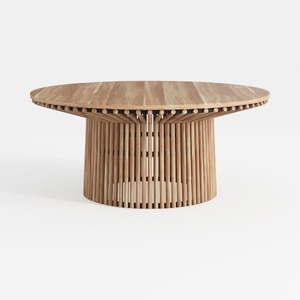

Merax Outdoor Dining Table 47.25" Round Extra
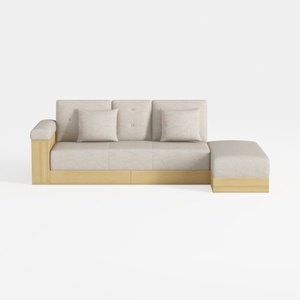
Sofa 84.65" Convertible Sofa Bed with Storage Otto

Minimalist Solid Oak Linen 3 Seater Sofa 3D Model
Homestyler is your go-to online home design platform. With its user-friendly design tool, stunning 3D rendering, and a wealth of DIY video tutorials, it allows you to create your dream space effortlessly. Transform your ideas into reality with ease and inspiration!
Zaprojektuj teraz za darmo
































