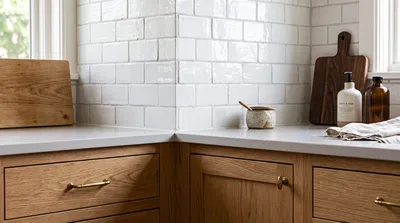



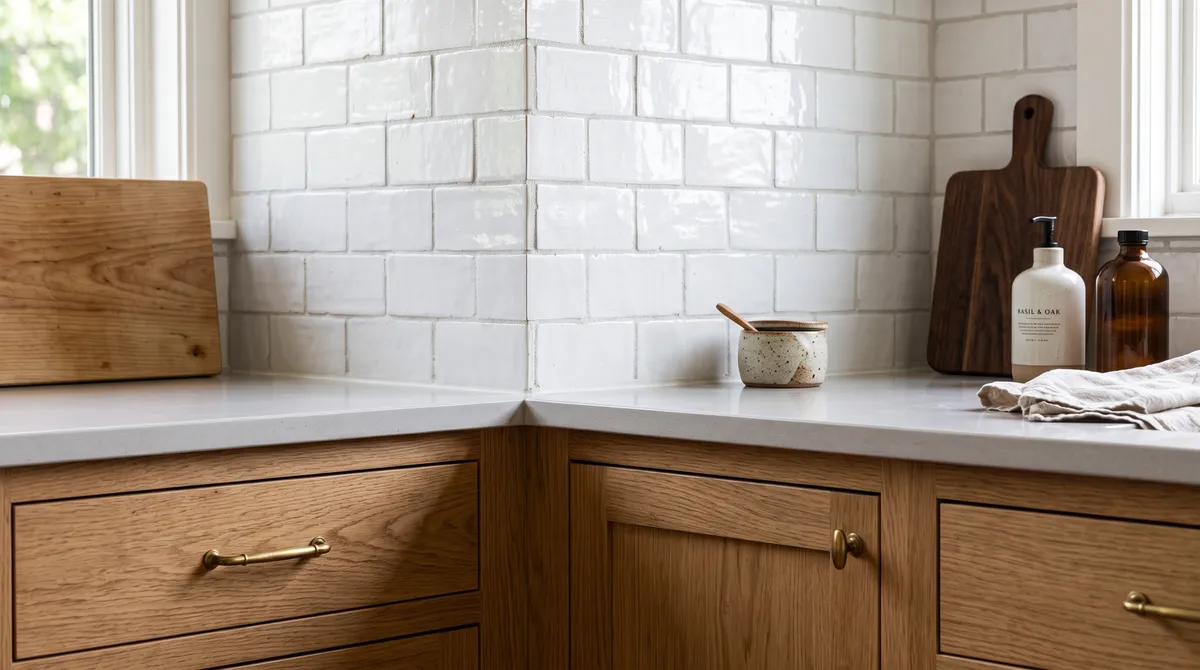
- Glossy ceramic: Reflects light and wipes clean easily; slight surface variation keeps it from looking clinical.
- Matte porcelain: Gives a quieter, contemporary look and is available in tile or large panels. Check the product’s cleaning guidance because textured matte surfaces can hold residue.
- Handmade-look tile: Soft edges and tonal variation add character. Expect more variation in alignment and grout width than with machine-cut tile.
- Natural stone: Marble and limestone bring distinctive veining, but many varieties are porous and may need sealing and careful cleaning.
- Glass: Bright and reflective, though glare and visible adhesive or substrate can be concerns with translucent products.
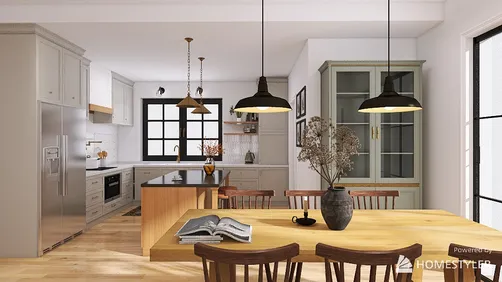
White is not one finish. A backsplash can read crisp and modern, softly handmade, or richly veined depending on its surface, grout, lighting, and relationship to the countertop. The best white kitchen backsplash ideas start with how the kitchen is used: a range wall needs easy cleaning, a small room benefits from light reflection, and an open-plan kitchen may need texture to keep white cabinetry from feeling flat. Consider the backsplash alongside the room’s fixed elements, not as an isolated sample. Cabinet sheen, counter pattern, window direction, and under-cabinet lights all affect how a pale surface appears. A glossy tile can brighten a dim corner, while a matte finish may reduce glare in a sunlit kitchen. Neither finish is automatically more durable; the product specification and installation matter.
White kitchen backsplash ideas by material and finish
Before choosing a pattern, decide what kind of white surface suits the room. Samples viewed under showroom lighting can look different at home, so compare them beside the actual counter and cabinet finish.
For a low-maintenance surface, porcelain or glazed ceramic is often a practical starting point. Natural stone is not automatically unsuitable, but it asks for more care. Follow the manufacturer’s instructions for sealing and cleaning rather than assuming every stone needs the same treatment. Also check whether the tile has a mesh backing, directional pattern, or shade variation that affects installation. Ask the supplier how many boxes should come from the same production lot; small differences between batches can be noticeable across a large wall.
Tile layouts that change the feel of a white backsplash
The same tile can look traditional or current depending on its arrangement. Layout also affects cuts around outlets, corners, and cabinets, so ask for a dry layout before installation.
Subway tile, stacked tile, and vertical patterns
A classic running bond creates familiar horizontal movement. A vertical stack can make a backsplash feel taller and more graphic, while a horizontal stack reads orderly and modern. Large-format rectangular tiles reduce grout lines, but they require a flatter wall and careful planning around small areas.
Herringbone, chevron, and diagonal layouts
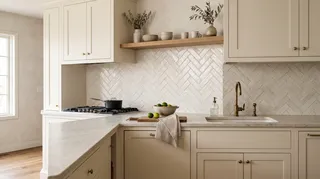
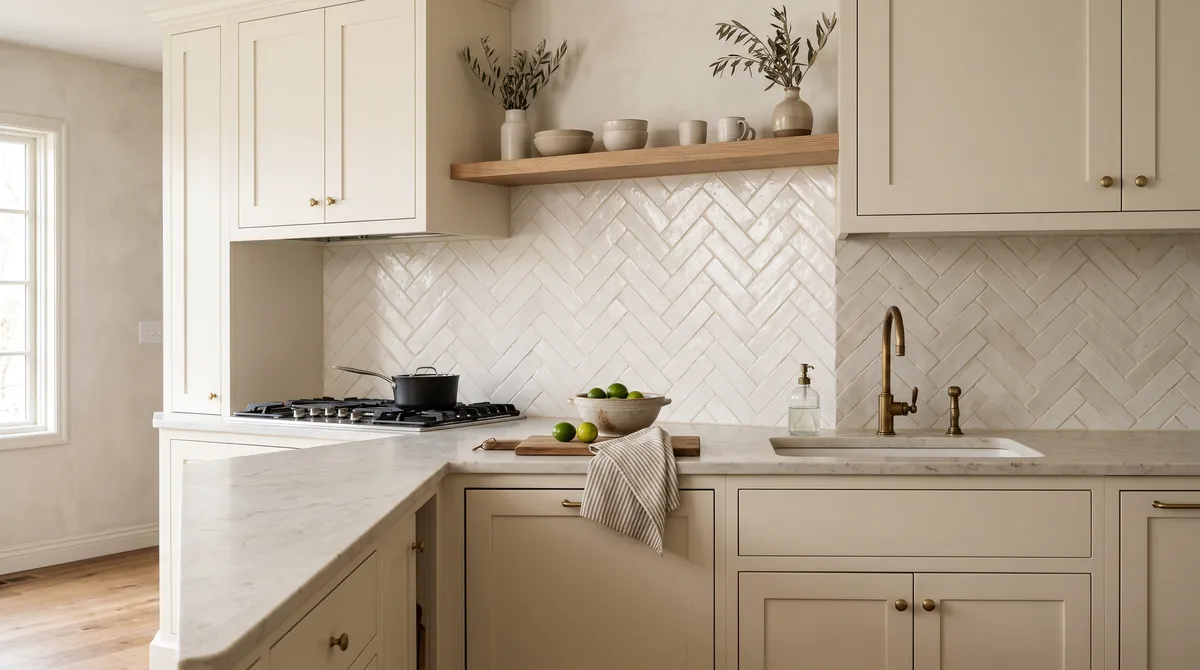
Herringbone adds movement without introducing another color. Chevron uses angled tile ends to form a continuous zigzag; it is not the same pattern as herringbone, where rectangular pieces meet at right angles. Both layouts create more cuts and labor than a simple grid, especially around windows and outlets.
Square, mosaic, and geometric tile
Small squares can give a kitchen a vintage or handcrafted quality, while mosaics add fine-scale texture. Geometric shapes—such as hexagons or elongated diamonds—make a white surface more noticeable without relying on a strong color. Keep the surrounding finishes restrained if the tile itself is the focal point.
Grout color, width, and the finished look
Grout is part of the design, not an afterthought. White grout blends with white tile for a continuous surface, but it can show cooking stains more readily in high-splash areas. A light gray or warm ivory grout outlines the tile subtly and may be easier to maintain visually. Dark grout creates a strong grid and can make even simple tile feel graphic.
Ask the installer to make a sample board with the tile and grout combination. Grout color can dry differently from its wet appearance, and the same shade may look warmer or cooler beside different whites. Joint width depends on the tile and installation system; use the tile maker’s recommendations rather than forcing a narrow joint on irregular handmade pieces.
For a busy cooking zone, choose a grout product suited to the tile and exposure, and follow its curing and cleaning instructions. Sealing is not universal: some cement-based grouts benefit from it, while other grout types have different maintenance requirements.
Pairing a white backsplash with cabinets and counters
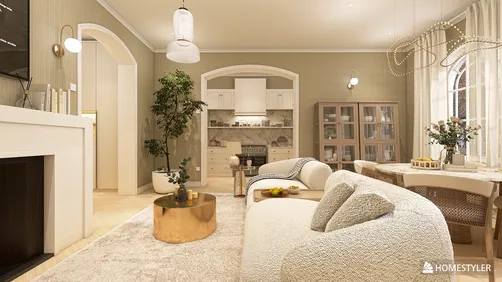
A successful white-on-white kitchen usually includes more than one tone or texture. Compare undertones in daylight and at night: a cool white tile can look blue beside creamy cabinets, while a warm tile may appear yellow next to a bright white counter.
- White cabinets: Add contrast through a handmade surface, a soft gray grout, or a veined slab rather than introducing several competing whites.
- Wood cabinets: White tile can brighten the room while letting the grain remain prominent. Warm grout often connects the two finishes.
- Dark cabinets: A pale backsplash lifts the wall visually; a satin or textured finish can soften the contrast.
- Busy counters: A simple tile or slab keeps the overall composition calm.
- Plain counters: A patterned layout or subtle veining can supply detail without adding color.
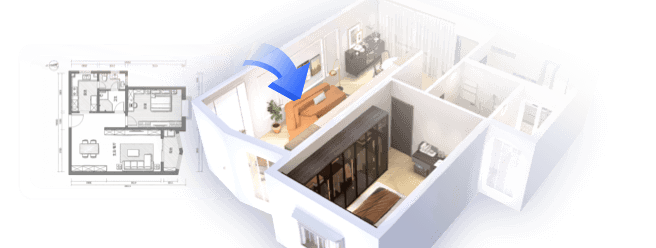
A full-height backsplash can visually connect the counter to upper cabinets or a hood. It also uses more material and may require additional edge finishing. Decide whether the tile ends at the underside of upper cabinets, continues to the ceiling, or frames a focal area; each stopping point changes the room’s proportions. If you are unsure how the tile, cabinets, and counter will read together, build a quick room mockup in Homestyler and compare a few combinations before ordering samples.
Slab backsplash or individual tiles?
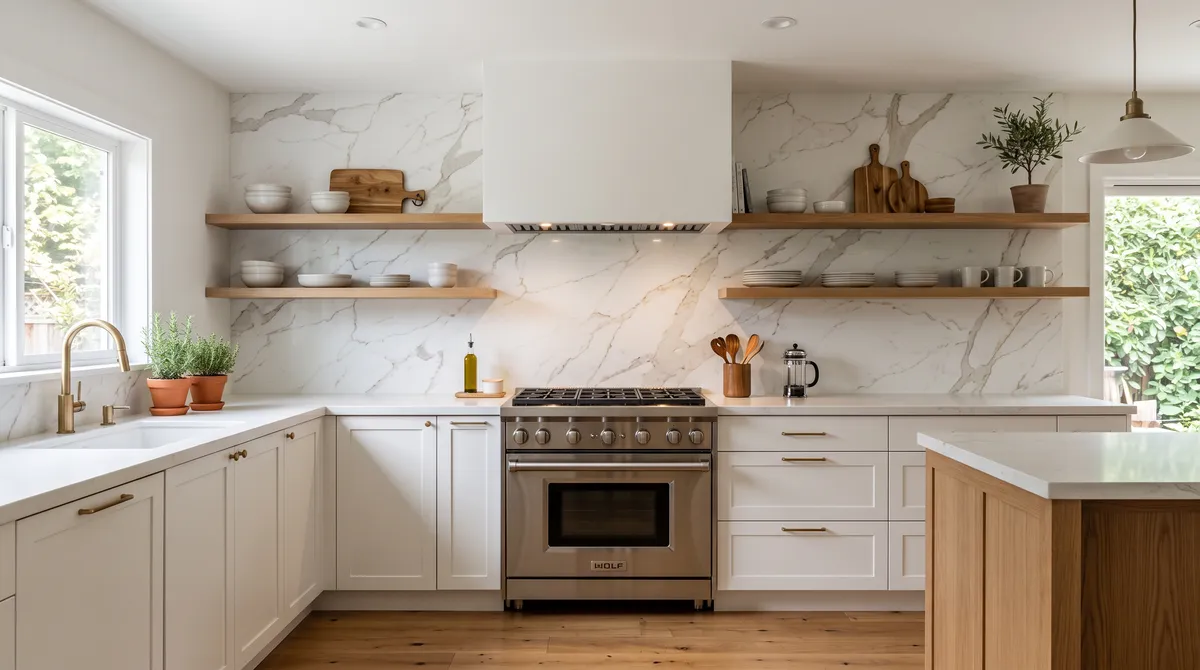
A slab backsplash—often made from the same material as the countertop—creates a continuous surface with few or no grout joints. It can be especially effective behind a range or on a short counter run. Porcelain slabs can imitate marble, while natural stone offers one-of-a-kind veining; confirm the material’s heat, stain, and care requirements with the supplier. A slab’s veining direction and seam placement should be discussed before fabrication, particularly when the wall includes a window or a prominent hood. Request a drawing that shows seams, cutouts, and finished edges.
Tile offers more flexibility in pattern, repair, and budget. Individual pieces can be replaced if damaged, although matching a discontinued batch may be difficult. Slabs reduce grout maintenance but can be costly to fabricate and install, and seams or outlets require precise planning. Neither option is universally better: compare installed cost, maintenance, and the visual effect in your specific kitchen.

Practical planning before installation
A backsplash protects the wall from splashes and makes routine cleaning easier, but the right extent depends on the kitchen. A short upstand may be enough behind a counter with no upper cabinets; a range wall often benefits from a more generous protected area. Coordinate the finish with the hood, cabinets, windows, and countertop edges.
Before work begins, confirm these details:
- Measure the full area. Include returns, window reveals, and the space behind appliances where applicable.
- Locate outlets and switches. Their position can affect the tile pattern and cut sizes; electrical work should be handled by a qualified professional.
- Check the wall. The substrate must be suitable, sound, and prepared for the chosen tile or panel system.
- Plan edges and transitions. Decide how exposed tile ends will be finished and where the backsplash stops.
- Order enough material. Include a reasonable allowance for cuts and breakage, and retain spare pieces for future repairs.
- Coordinate trades. Countertop installation, backsplash work, and outlet adjustments need a clear sequence.
For a DIY project, follow the tile and setting-material manufacturers’ instructions, use appropriate tools and protective equipment, and do not tile over a damaged or unsuitable surface. Large-format panels, natural stone, complex patterns, and work near electrical fixtures are often best left to experienced installers. Before setting tile, lay out the first course and check how cuts will land at both ends of the wall. A centered layout is not always the best choice if it leaves narrow slivers beside a cabinet or window. A small adjustment to the starting point can create more balanced cuts, but the installer should account for the room’s actual geometry rather than assuming walls are perfectly square.
Cleaning and keeping white tile looking fresh
White tile does not necessarily get dirty faster than darker tile, but stains and discoloration can be more visible. Wipe cooking splashes promptly, especially around the range, and use a cleaner approved for the tile, grout, and sealant. Avoid abrasive pads or acidic cleaners unless the manufacturer confirms they are safe; acids can damage some natural stones and grout products. A soft cloth and a mild, compatible cleaner are usually a sensible first step for routine marks. Grease may need a cleaner formulated for kitchen residue, but test it on a spare tile before using it across the installation. Keep the product labels or care sheet after the renovation so future cleaning does not rely on guesswork.
If grout darkens unevenly, first identify whether the issue is residue, staining, or moisture. A compatible grout cleaner may help with surface soil, but persistent discoloration can require professional assessment. Do not apply a new sealer over dirty grout, since it can trap the problem beneath the surface.
Renter-friendly ways to refresh a backsplash
Renters can change the look without committing to permanent tile, but removable products vary in durability and may not suit every wall. Peel-and-stick panels can work as a temporary visual update on a clean, smooth surface away from direct flame and excessive heat. Check the product’s temperature limits and lease terms, and test removal in an inconspicuous spot before covering a large area. Painted walls with peeling finish, textured plaster, and damp areas may prevent reliable adhesion or make removal damaging. Photograph the original wall and keep a sample of the removable material so you can check how it behaves before applying it near a sink or cooking zone.
Other reversible options include styling the counter with a coordinated utensil rail, adding warm under-cabinet lighting where permitted, or using removable decor on an adjacent wall rather than directly behind a cooktop. Do not place combustible coverings near open flames or ignore appliance clearances. When planning a temporary update, a simple 3D layout in Homestyler can help test colors and proportions before buying materials.
Common mistakes to avoid
- Choosing from a tiny sample: View several pieces together; variation and grout can change the overall effect.
- Ignoring undertones: Compare tile, counter, and cabinet samples in the room’s actual lighting.
- Using a high-contrast grout by default: Strong lines can dominate a small kitchen; test a sample first.
- Assuming every white surface is maintenance-free: Stone, grout, and textured finishes have different care needs.
- Skipping edge details: Unfinished ends can make an otherwise polished installation look incomplete.
- Ordering only the exact measured area: Cuts, breakage, and future repairs make spare material useful.
Frequently asked questions
Does a white backsplash make a small kitchen look bigger?
It can help a wall feel brighter, particularly when it reflects available light and coordinates with the cabinets. The effect depends on lighting, contrast, and the room’s layout; a white backsplash cannot compensate for poor task lighting or blocked circulation.
What grout color works best with white tile?
White grout creates a blended appearance, while light gray or warm neutral grout defines the tile more gently. Dark grout emphasizes the pattern. Choose based on the look you want and how much visible grout maintenance you are comfortable with.
Is white backsplash tile hard to keep clean?
Glazed ceramic and porcelain are generally straightforward to wipe, but grout can collect residue and some textured surfaces need more attention. Prompt cleaning and product-compatible cleaners matter more than color alone.
Should the backsplash match the countertop?
It does not have to match. A coordinated undertone or shared detail is usually enough. A matching slab creates continuity; contrasting tile can add texture and define the wall.
Can I install a backsplash behind a gas range?
Use materials and installation methods suitable for the appliance location, and follow the range and hood manufacturers’ clearance requirements and local codes. Do not assume a peel-and-stick covering or any particular material is safe near heat without checking its specifications.
Choose a white backsplash that suits your kitchen
The strongest white kitchen backsplash ideas balance appearance with cleaning, installation, and the finishes already in the room. Start by comparing tile or slab samples beside the counter and cabinets, then decide whether the wall should blend in or provide texture. In my experience, a small sample board with the actual grout is more useful than choosing from a screen or showroom display alone.
Homestyler's roots trace back to Autodesk, the global leader in design and engineering software. That heritage lives on in every feature we build. Today, with a community of more than 20+ million registered users (platform data, 2026) worldwide, Homestyler continues to make professional-quality interior design accessible to everyone — from first-time decorators to seasoned architects.
If you are weighing several layouts, I recommend testing the pattern and overall contrast in a room plan before committing to a full order. Homestyler can help visualize how a white backsplash works with cabinetry, counters, and lighting; final material decisions should still be based on physical samples and manufacturer guidance.
Design Now for FREE