


In an era where privacy and discretion have become essential, the popularity of incognito mode reflects a broader desire for personal space and control. This mindset can easily translate into how we design our homes, encouraging the creation of private nooks and rooms that offer a retreat from constant connectivity. Incorporating hidden compartments, adjustable lighting, and soundproofing can help cultivate spaces that feel like a personal sanctuary, much like browsing in incognito mode shields your online presence.
Where Do 3D Modelers Work? An In-Depth Look
3D modelers find employment across a wide range of sectors including video games, film and animation, architecture, product design, advertising, and emerging technologies such as augmented and virtual reality. While many are employed by studios or design companies, an increasing number of professionals are working remotely as freelancers serving clients worldwide.
From my experience collaborating with visualization artists on interior design projects, 3D modelers are now integral members of multidisciplinary teams where design, marketing, and technology intersect.
Quick Insights
Introduction
When researching where 3D modelers typically work, the usual answers include industries like gaming or film. While accurate, this viewpoint only scratches the surface of modern digital design workflows.
Over the past decade, working as an interior designer with visualization teams, I've observed 3D modeling expand well beyond entertainment purposes. Currently, these skills support real estate marketing, furniture prototyping, e-commerce product launches, and even the development of AI training datasets.
The true narrative is that 3D modeling has become a foundational skill across numerous digital industries. Knowing where these roles are prevalent and how they differ is crucial for building a long-term career in this field.
What Industries Employ the Highest Number of 3D Modelers
Key Observation
Although entertainment remains the largest employer of 3D modelers, sectors like architecture and product visualization are growing at a faster pace.
Explanation
Historically, gaming and film led the demand for modeling experts. However, industries reliant on visual marketing now allocate significant resources to 3D content creation. Real estate developers, furniture manufacturers, and technology firms increasingly favor photorealistic renders over traditional photography.
Industry Examples
Leading game companies such as Ubisoft and Epic Games maintain dedicated modeling teams, whereas prominent architectural firms are outsourcing visualization work to specialized 3D studios more frequently.
Do 3D Modelers Work Primarily in Offices or Remotely?
Key Insight
A considerable portion of 3D modelers now operate remotely or freelance instead of working within conventional office settings.
Explanation
Because 3D modeling is entirely digital, production workflows can be distributed globally. I've collaborated with rendering teams in Eastern Europe and Southeast Asia who work seamlessly with U.S. designers through cloud-based pipelines.
Remote Work Trends
During the pandemic, remote production pipelines became standard practice and have persisted as studios discovered that hiring internationally reduces costs significantly.
How Architectural Visualization Became a Leading Employer of 3D Modeling Talent
Key Insight
Architectural visualization now represents one of the most stable and often underappreciated career paths for 3D modeling professionals.
Explanation
Marketing visuals are essential for real estate projects prior to construction. Developers depend on 3D modelers to produce realistic renderings of apartments, interiors, and exteriors, which help sell properties early in the process.
In my projects, photographs of completed spaces are rare before marketing campaigns launch. Instead, detailed 3D scenes illustrating lighting, materials, and furniture layouts are utilized months before construction is finished.
Typical Outputs
Large property developers are allocating increasing budgets to visualization as high-quality renders significantly improve early sales.
Roles Within a 3D Production Team
Key Insight
Professional 3D production pipelines divide tasks into specialized roles rather than relying on generalists.
Explanation
Major studios segment projects by asset type for enhanced speed and quality. For instance, character specialists rarely create architectural models, while environment artists focus on expansive scenes.
Common Role Examples
Top studios like Pixar and Naughty Dog publicly detail their pipeline roles, distinguishing modeling, texturing, lighting, and rendering as separate skill areas.
Summary of 3D Modeler Workplaces
3D modelers contribute to gaming, film, architectural visualization, product design, and advertising. Many are employed by studios, though freelance remote work is increasingly prominent as digital pipelines globalize.
Popular Tools and Work Environments
Key Insight
The software platforms a 3D modeler specializes in often dictate which industries they are hired for.
Explanation
Different sectors rely on unique toolsets. Building a portfolio centered on the appropriate software can significantly boost employment prospects within a target industry.
Common Industry Tools
Job postings on major creative platforms consistently emphasize specific software ecosystems corresponding to various fields.
Why Many 3D Modelers Choose Freelance Careers
Key Insight
Freelancing can offer greater earning potential but demands excellent client management and portfolio strategy.
Explanation
Studios frequently outsource asset creation during peak production periods. Skilled modelers leverage this by partnering with multiple studios rather than depending on a single employer.
Freelance Client Types
Online marketplaces and freelance networks have made it easier for modeling professionals to secure international clients without relocating.
Final Overview
Frequently Asked Questions
Where do 3D modelers most commonly work?
The majority work in gaming studios, animation companies, architectural visualization firms, and product design teams.
Can 3D modelers work remotely from home?
Absolutely. Many studios now hire remote artists, and freelance 3D modelers often operate fully from home setups.
Are 3D modelers limited to gaming industries?
No. Although gaming is a significant employer, sectors such as architecture, advertising, and product visualization also recruit substantial numbers of 3D modeling specialists.
Is architectural visualization a good career option for 3D modelers?
Yes. It provides steady demand since developers require marketing visuals before construction is completed.
Which companies typically hire 3D modelers?
Game developers, film production houses, architectural firms, design agencies, and tech companies regularly employ 3D modeling professionals.
Is a degree required to become a 3D modeler?
Not necessarily. Many studios prioritize a strong, well-curated portfolio over formal education credentials.
Are freelance opportunities widespread for 3D modelers?
Yes. Many companies outsource modeling tasks, creating consistent freelance demand globally.
What skills increase the chances of being hired as a 3D modeler?
Essential skills include strong foundational modeling techniques, a keen understanding of topology, good lighting knowledge, and proficiency in industry-standard software such as those supported by Homestyler.

31.5 in. Round White MDF Top Modern Dinning Table
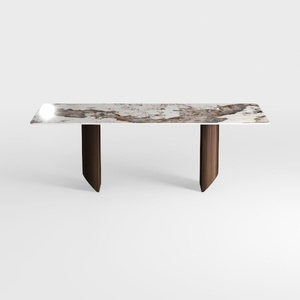
Modern Marble Top Walnut Wood Dining Table 3D Model

Modern Marble Top Metal Frame Dining Table Set with Fabric Chairs 3D Model
Homestyler is a user-friendly online platform offering powerful home design tools, stunning 3D renderings, inspiring design projects, and easy-to-follow video tutorials to help you create and visualize your perfect space effortlessly.
Design Now for FREE
































