
| Appliance | Cooking surface | Oven included? | Typical installation |
|---|---|---|---|
| Range | Yes | Yes | Floor-standing or fitted between cabinets |
| Cooktop | Yes | No | Set into a countertop |
| Rangetop | Yes | No | Sits on cabinetry or counter |
| Wall oven | No | Yes | Built into a wall or cabinet |
A kitchen range is one appliance that combines a cooking surface and an oven. If you have wondered what is a range in a kitchen, picture burners or an electric cooktop above an oven, all housed in one unit. It is a practical choice for many homes because it handles everyday stovetop cooking and baking without requiring separate appliances.

What Is a Range in a Kitchen? Core Components
The top section holds burners or heating elements; the lower compartment is an oven. Controls may sit on a rear panel or along the front, depending on the model. In everyday conversation, people often use “stove” to mean a range, although product listings and appliance professionals may use the terms differently.
A cooktop, by contrast, is only the surface for pots and pans. It is installed into a counter and paired with a separate wall oven or another oven elsewhere. A rangetop is also a surface-only appliance, but it is typically designed to sit on top of the counter or cabinetry rather than drop into a cutout. Check each manufacturer’s installation instructions, since product terminology can vary.
Range Styles and Fuel Choices
Installation style and fuel are separate decisions. A freestanding range has finished sides and usually a raised backguard with controls. It can fit between cabinets or at the end of a counter run. A slide-in model is designed to sit between cabinets, often with front controls and a more integrated appearance. A drop-in range is supported by cabinetry and is less common; confirm the exact cutout and support requirements before planning around one.
Ranges may use gas, electricity, or both. Gas models use a flame on the cooktop, while electric models commonly use exposed coils or a smooth glass-ceramic surface. Induction is an electric cooking method that heats compatible cookware through a magnetic field; it requires suitable pans and a compatible electrical connection. Dual-fuel models pair a gas cooktop with an electric oven, but they may need both gas service and the appropriate electrical supply.


What Is a Range in a Kitchen? Measuring for Fit
Many residential ranges are sold in a nominal 30-inch width, but that is not a guarantee of fit. Compact and wider models exist, and the appliance’s actual dimensions, required clearances, and utility connections vary. Measure the opening at the top, middle, and bottom; check depth and height; and compare those measurements with the installation guide for the exact model.
Before ordering, verify these details:
- Opening and surrounding cabinets: Allow for the manufacturer’s specified side, rear, and overhead clearances.
- Counter height and depth: Confirm the range will align as intended and that doors or handles will not obstruct nearby walkways.
- Fuel and electrical supply: Match the appliance to the home’s gas line, voltage, circuit, and plug or hardwiring requirements.
- Ventilation: Choose a hood or other ventilation solution appropriate to the appliance and local requirements; follow the hood and range instructions.
- Delivery path: Measure doorways, hallways, turns, and stairs, not just the final opening.
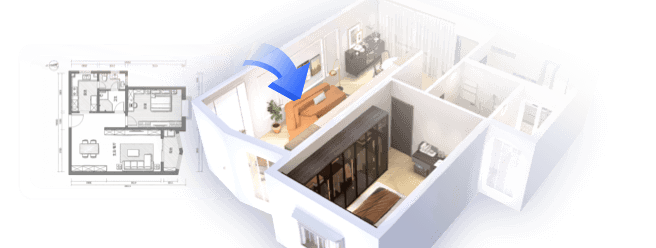
I recommend checking the installation manual before buying rather than relying on a generic “standard size.” If you are remodeling, sketch the appliance, cabinets, and nearby doors together. A quick 3D layout in Homestyler can help you see whether the range, counters, and circulation fit before you commit to cabinetry.
Which Setup Makes Sense for Your Kitchen?
A range is often the straightforward option when you want the oven and cooktop in one footprint. A separate cooktop and wall oven can offer more freedom in placement, such as positioning the oven at a more convenient height, but it needs additional cabinet planning and may cost more to install. Neither arrangement is automatically better; the right choice depends on cooking habits, available space, utilities, and budget.
For a small or simple kitchen, a freestanding range can be easier to replace because it does not require the same integrated counter treatment as some slide-in designs. If a continuous countertop look matters, compare slide-in models and confirm how their edges meet the counter. For frequent baking, compare oven capacity, rack positions, temperature controls, and cleaning features. For daily stovetop use, consider burner layout, surface cleanup, and whether your cookware works with the chosen technology.
I’ve seen buyers focus on appearance and overlook the connection requirements. My advice is to shortlist models only after confirming the opening and utilities, then compare features within that shortlist. You can also map the appliance and work surfaces in Homestyler’s kitchen planner to test the layout before final measurements are sent to a contractor.
Quick Decision Checklist
- Choose a range if you want the oven and cooktop combined in one appliance.
- Choose a cooktop plus wall oven if separate placement better suits your workflow or accessibility needs.
- Select gas, electric, induction, or dual fuel only after checking available utilities and cookware compatibility.
- Pick freestanding or slide-in based on the cabinet opening, controls, and finish you want.
- Confirm the exact model’s dimensions, clearances, ventilation guidance, and connection requirements before purchase.
A range is not simply another name for every cooking appliance: it specifically brings an oven and cooking surface together. Once you know that distinction, compare installation style and fuel, then verify the measurements and services for the model you plan to buy. If you are still weighing a range against separate appliances, sketch both options in Homestyler and compare how each affects counter space and movement through the kitchen.
Homestyler's roots trace back to Autodesk, the global leader in design and engineering software. That heritage lives on in every feature we build. Today, with a community of more than 20+ million registered users (platform data, 2026) worldwide, Homestyler continues to make professional-quality interior design accessible to everyone — from first-time decorators to seasoned architects.