


As enthusiasm for the latest PlayStation Plus June 2026 games grows, many gaming enthusiasts seek to enhance their home entertainment spaces to match their evolving digital lifestyle. Creating a dedicated gaming nook with ergonomic seating and optimized lighting not only improves comfort but also complements the immersive experience these new titles offer. Thoughtful spatial planning can transform a typical room into a versatile hub for relaxation and entertainment.
Direct Answer
Careers involving 3D modeling extend across sectors including architecture, interior design, game development, film production, product design, and virtual reality. Experts employ specialized software to craft realistic digital models, environments, and prototypes for visualization, simulation, and manufacturing purposes.
The need for proficient 3D modelers continues to rise as growing industries lean more heavily on digital visualization prior to constructing or producing physical items.
Quick Takeaways
Introduction
When one thinks of 3D modeling careers, video games or Pixar-style animation often come to mind. Having worked over a decade in interior design and architectural visualization, I can assure you this represents only a fraction of the field.
Many of my projects rely on 3D models as the chief communication medium among designers, engineers, and clients. Before walls are erected or furniture manufactured, digital models have already been created.
What surprises many newcomers is how numerous industries depend quietly but heavily on this expertise. Surprisingly, some of the most robust and well-paying 3D modeling roles lie outside the entertainment domain.
This guide explores genuine career trajectories, crucial skills sought by employers, and industry insights often omitted in typical career articles.
What Industries Depend Most on 3D Modeling?
Key Insight: Architecture, product design, and real-time visualization sectors employ more 3D modeling professionals than entertainment does.
While many career guides emphasize film and gaming studios, my professional contacts reveal that most 3D modeling practitioners work in design, manufacturing, or engineering fields.
Sector reliance on 3D modeling includes:
Autodesk’s industry reports indicate that visualization and digital prototyping have become staple processes within contemporary design workflows, making 3D modeling a foundational skill across diverse fields.
Which High-Paying Careers Utilize 3D Modeling Expertise?
Key Insight: The highest remunerated 3D modeling professions generally combine modeling proficiency with specialized industry knowledge.
A common error among novices is concentrating exclusively on modeling techniques. However, salary prospects rise when modeling complements domain-specific expertise.
Well-compensated roles include:
In architectural firms I’ve consulted for, visualization experts often command higher pay than junior designers because their renderings significantly impact client decisions and funding approvals.
What Skills Are Employers Seeking in 3D Modeling Positions?
Key Insight: Employers prioritize problem-solving abilities, visual communication, and efficient workflows over sheer modeling complexity.
A widespread misconception holds that mastering software alone guarantees success in 3D modeling careers. In truth, professionals accelerate their growth by blending technical skills with design thinking.
Core competencies valued by employers include:
Common software tools demanded include:
From reviewing portfolios for design organizations, the standout candidates present not only models but also immersive visual narratives involving lighting, environmental context, and realistic materials.
Can Beginners Launch a 3D Modeling Career Without Formal Education?
Key Insight: A compelling portfolio nearly always surpasses formal qualifications in importance within 3D modeling career paths.
Numerous successful artists in visualization or gaming never completed formal design degrees. Studios often choose hires based on portfolios, freelance achievements, and demonstration works.
Effective portfolio-building strategies for newcomers include:
An unexpected candidacy truth: hiring managers typically spend under two minutes assessing portfolios. Clear presentation and powerful visual impact weigh far more than volume of work.
Hidden Career Challenges in 3D Modeling
Key Insight: The greatest career hazard is becoming overly specialized in a single software tool instead of developing versatile visual problem-solving skills.
This issue is seldom addressed in career guides.
With software evolving rapidly, modelers restricted to one platform may struggle as studios transition pipelines. For instance, entire visualization teams have migrated from traditional renderers to real-time engines like Unreal Engine within a few years.
Common hidden difficulties include:
Thriving professionals often pair modeling abilities with complementary talents such as rendering, animation, technical design, or interactive media production.
Answer Box
3D modeling careers permeate architecture, design, entertainment, engineering, and simulation industries. Stability correlates with combining modeling prowess with domain expertise such as product design, visualization, or real-time environments.
Selecting the Best 3D Modeling Career Path
Key Insight: Ideal career choices hinge on preferences for artistic storytelling, technical design, or spatial visualization.
Consider the project types that inspire you most.
Comparing career directions:
In architectural visualization, blending design knowledge with modeling skill offers one of the most dependable long-term career options.
Final Summary
Frequently Asked Questions
Which occupations rely most on 3D modeling?
Architectural visualization artists, game environment artists, product designers, VFX artists, and industrial designers regularly utilize 3D modeling.
Is 3D modeling a promising career choice?
Indeed. As numerous sectors increasingly depend on digital visualization and prototyping, 3D modeling skills continue to gain importance across design, engineering, and media domains.
Is a degree necessary to become a 3D modeler?
Not necessarily. Employers frequently prioritize portfolio strength and applicable experience over formal education credentials.
Which industries hire 3D modelers?
Fields include architecture, game development, film production, manufacturing, medical visualization, product design, and virtual reality.
What software tools are popular in 3D modeling careers?
Frequently used software encompasses Blender, Maya, 3ds Max, Fusion 360, ZBrush, and Unreal Engine.
How long does it take to become proficient in 3D modeling?
Basic competencies can be acquired within months, but achieving professional-level skills usually demands one to two years of dedicated practice.
Can freelancers find work in 3D modeling?
Yes. Many professionals engage as freelancers producing assets, visualizations, or product renders for clients worldwide.
What is the easiest 3D modeling career to enter?
Architectural visualization and product rendering often provide simpler entry points compared to film or AAA-level game studios.
In enhancing home design projects, software tools such as Homestyler empower users to visualize and customize spatial layouts effectively, bridging the gap between imaginative ideas and realistic execution. Integrating Homestyler into your workflow can elevate your 3D modeling presentations and contribute significantly to client satisfaction and project success.
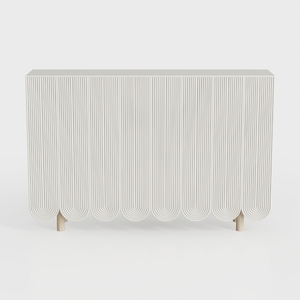
Minimalist Fluted White Wood Console Table 3D Model

Minimalist White Solid Wood Square Coffee Table 3D Model

Minimalist Off White Fabric Large Sofa 3D Model
Homestyler offers an easy-to-use online home design tool with stunning 3D renderings, inspiring design projects, and helpful DIY video tutorials—perfect for bringing your interior decoration ideas to life effortlessly.
立即免费设计
































