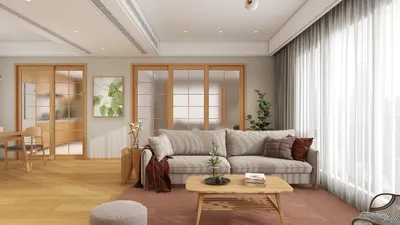


In today’s connected homes, the integration of a versatile TV app transforms how we interact with our living spaces. As streaming services become central to entertainment routines, designing a cozy media nook with ergonomic seating and adjustable lighting enhances both comfort and viewing experience. Thoughtful spatial planning ensures that technology blends seamlessly with home aesthetics, creating an inviting area tailored for relaxation and digital enjoyment.
3D modeling styles represent the diverse visual and technical methods used to craft digital models and environments. Among the predominant styles are photorealistic modeling, stylized approaches, low poly designs, hard surface, organic, and procedural modeling techniques. Each style serves distinct sectors such as architectural visualization, videogame development, animation, and product prototyping.
When newcomers explore 3D modeling methods, they often believe realism is the ultimate objective. However, with over a decade of experience in design visualization, it becomes clear that various industries rely on unique modeling approaches influenced by factors like performance demands, artistic vision, and time constraints.
For instance, architectural rendering clients frequently desire photorealistic spaces to better envision their future homes. Conversely, in gaming, technical limitations often compel artists to drastically simplify models for smoother performance. Familiarity with major 3D modeling techniques empowers creators to select effective workflows rather than struggle against unsuitable ones.
Professional pipelines predominantly revolve around six major 3D modeling styles, as endorsed by industry education platforms such as the Gnomon School and CG Spectrum. These key styles address the bulk of demands across film production, gaming, architecture, and industrial design.
The choice of 3D modeling style is less about purely artistic preferences and more driven by production efficiency and hardware constraints. Game engines like Unreal and Unity enforce strict polygon budgets, where a detailed model suitable for cinematic rendering could contain millions of polygons, but its counterpart in a real-time game may need to stay under ten thousand polygons.
Realistic modeling strives to faithfully replicate real-world appearances, while stylized modeling emphasizes distinctive visual storytelling and artistic interpretation. Selecting between these two approaches is a crucial early project decision, each bearing unique benefits and challenges.
Stylized modeling often proves conceptually more demanding as it lacks direct real-world references, requiring artists to rely heavily on intuitive design principles and pronounced shape language.
Low poly modeling significantly improves performance by reducing geometric complexity. Especially important for interactive experiences such as games, VR, and AR, this technique simplifies object forms while maintaining recognizable silhouettes, thereby optimizing rendering efficiency.
Hard surface modeling prioritizes mechanical accuracy and crisp edges, whereas organic modeling focuses on smooth, flowing forms commonly seen in natural objects. The distinction influences nearly all modeling techniques and toolsets utilized.
Novices often make the mistake of choosing a modeling style based solely on visual preference without considering practical project requirements. Professional studios mitigate this risk by enforcing strict style guides early to ensure visual consistency and minimize wasted effort.
Incorporating tools like Homestyler during design phases can assist creators in visualizing spaces where technology and aesthetic converge seamlessly, enhancing both workflow and final output quality.
The most prominent 3D modeling styles currently include realistic, stylized, low poly, hard surface, organic, and procedural methods. These styles exist because different sectors balance performance, visual fidelity, and production speed uniquely.
Among common questions: What are the predominant 3D modeling styles? They are realistic, stylized, low poly, hard surface, organic, and procedural models, widely adopted in animation, games, architecture, and product design arenas.
For beginners, low poly modeling tends to be more approachable due to its simplicity and helps in grasping fundamental concepts such as form and topology.
Is realistic modeling more difficult than stylized? Both have complexities: realistic requires precise technical skills, while stylized demands excellent artistic judgment.
Popular software facilitating these modeling styles includes Blender, Maya, 3ds Max, ZBrush, and Cinema 4D, depending on user needs and industry standards.
Games favor low poly assets to ensure smooth frame rates and reduce rendering load in real-time environments.
Stylized 3D modeling is characterized by deliberate exaggeration of shapes and proportions, crafting a unique and compelling visual identity rather than strict realism.
Projects may combine multiple modeling styles, but achieving harmony requires carefully balancing these styles to avoid visual dissonance.
Choosing an appropriate 3D modeling style depends on considerations such as platform constraints, artistic goals, and production timelines, making strategic selection essential.
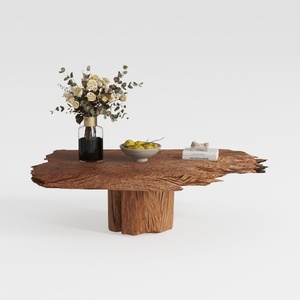

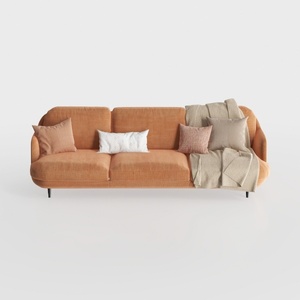
Modern Minimalist Orange Fabric Three Seater Sofa With Throw Pillows 3D Model
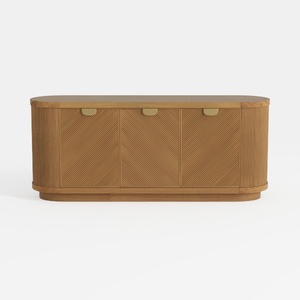
Modern Minimalist Solid Wood Fluted Sideboard with Brass Accents 3D Model
Homestyler offers an easy-to-use online design tool with stunning 3D renderings, inspiring design projects, and helpful DIY video tutorials. It’s perfect for anyone looking to create and visualize beautiful home interiors effortlessly. Give your home a fresh, personalized look with Homestyler!
Progetta ora GRATIS
































