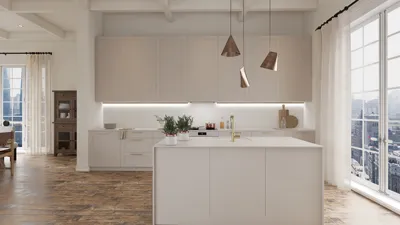


In today’s connected homes, the integration of a versatile TV app transforms how we interact with our living spaces. As streaming services become central to entertainment routines, designing a cozy media nook with ergonomic seating and adjustable lighting enhances both comfort and viewing experience. Thoughtful spatial planning ensures that technology blends seamlessly with home aesthetics, creating an inviting area tailored for relaxation and digital enjoyment.
The initial Titanic escape room I helped redesign almost turned into a farce. Instead of the anticipated tension of a sinking ship, players kept wandering aimlessly between the engine room and a cramped “captain’s office” we had awkwardly included. One group even inquired if the Titanic had elevators because they couldn’t figure out how to navigate between decks.
This experience revealed a crucial lesson: small themed environments can shatter immersion faster than anything else when the layout is confusing. Ship settings are particularly challenging because guests expect a logical arrangement. When spatial design doesn’t align with these expectations, the storyline quickly breaks down.
Over time, I’ve addressed numerous Titanic escape room layout challenges, many of which tend to repeat. I’ll walk you through the six most common problems I encounter and practical strategies for resolving them, often leveraging tools like Homestyler to visualize spatial arrangements effectively.
Why Titanic Escape Room Layouts Often Miss the Mark
A recurring error I see is designers focusing extensively on props and puzzles but neglecting the significance of spatial storytelling. A Titanic-themed experience isn’t just a series of rooms; it represents a voyage through the ship. Players should sense a natural progression from cabins to corridors to upper decks in a believable order.
Nowadays, I always start projects by outlining the ship’s zones before considering puzzles. Sometimes I even digitally map the entire ship layout— Homestyler is a great aid for this—prior to any construction. Though it sounds simple, this approach solves more than half the layout issues I used to struggle with.
The key takeaway? If the ship’s structure feels off, players notice immediately, even if they can’t articulate why.
Disruptions in Player Flow Between Ship Areas
Player flow constitutes the invisible framework of any escape room. In Titanic themes, the narrative typically encourages players to move from lower decks upward as the ship sinks. However, I’ve reviewed designs where participants bounce erratically between unrelated areas like a ping-pong ball.
This causes tension to vanish. Instead of urgency, players become confused and disoriented.
A typical fix involves reorganizing the progression routes. Simple corridor connections or clearly marked doorways help direct players naturally. Occasionally, I reorder puzzles so that the story moves logically from the engine room to cabins and then to the upper deck.
Overcrowding of Puzzle Zones in Compact Cabins
Ship cabins are inherently small, which can be engaging but risky for escape room design. I once witnessed four separate puzzles crammed into a space barely suitable for three people. The outcome? Players jostled each other, arguing over who could access the desk.
My rule is straightforward: keep it to one main puzzle per cabin. For smaller rooms, focus on tactile, well-defined challenges. A cozy setup can boost immersion, provided it doesn’t feel congested.
Navigational Challenges Between Deck Levels
Transitions between decks are where many Titanic escape rooms falter. Visitors understand ships have multiple levels, but if the transition lacks clear visual cues, it leads to disorientation.
I address this by emphasizing vertical movement through visual elements like stair props, ladders, lighting changes, or ambient sound effects. During planning, I often create 3D visualizations—tools like Homestyler help immensely—to ensure smooth player movement between levels.
Even a symbolic “staircase area” can serve as an effective mental anchor to solve confusion around navigation.
Improving Lighting and Visibility in Ship-Inspired Rooms
Titanic escape rooms often employ dim lighting to heighten drama. While flickering lamps and shadowy corridors establish atmosphere, I’ve seen players waste precious minutes hunting clues right under dimly lit surfaces.
Effective lighting balances ambiance with functionality. I combine soft ambient light with brighter task lighting focused on puzzles. For example, lantern glows create mood while spotlights highlight clues.
Even subtle tweaks—like adding a light strip beneath a desk—can enhance puzzle discovery without compromising the sinking-ship vibe.
Evaluating and Refining Your Titanic Escape Room Layout
One of the most important lessons from a decade of design experience is that layouts always appear flawless on paper but only reveal their shortcomings once real players enter.
Before launch, I conduct multiple silent walkthroughs where testers navigate the game without hints. Observing their hesitation points provides invaluable insights. For example, if several groups pause at the same corridor, it indicates a layout ambiguity.
I often experiment with different room configurations before building. Simple adjustments—like repositioning doors or rotating walls—can vastly improve navigation and flow.
Usually, these minor refinements are what differentiate an average escape room from a truly memorable one.
Frequently Asked Questions
1. What are the typical layout challenges in Titanic escape rooms?
Common issues include unclear deck navigation, cramped cabins, poor player progression between ship areas, and lighting that obscures vital clues. These often break immersion and slow down game pace.
2. How can player flow be enhanced in ship-themed escape rooms?
Design the experience as a coherent journey through the ship. Players should transition smoothly between engine rooms, corridors, cabins, and upper decks. Visual cues and thematic elements assist natural movement.
3. Why do players often get lost in multi-room escape games?
Players lose their way when environments lack visual landmarks or clear pathways. Consistent signage, spatial transitions, and lighting help anchor players’ orientation.
4. What is the ideal size of puzzles for small escape room cabins?
Small cabins work best with one main puzzle accompanied by minor clues. Overstuffing tight spaces leads to crowding and hampers collaboration.
5. Which lighting setup is most effective for Titanic escape rooms?
A combination of moody ambient lighting with sharply focused puzzle illumination works ideal. Dark environments build suspense while task lighting enhances clue visibility.
6. Should Titanic escape rooms incorporate multiple decks?
Yes, but transitions between decks must be conspicuous. Props like staircases, ladders, and sound effects can aid players’ understanding of vertical movement.
7. How are escape room layouts tested before opening?
Experienced designers perform several playtests with actual players. Monitoring where participants hesitate reveals layout issues quickly.
8. Are there established guidelines for escape room design?
Yes. Industry groups emphasize clear player flow, safety, and logical puzzle sequencing as fundamental design principles.


Homestyler offers an easy-to-use online home design tool with stunning 3D renderings, inspiring design projects, and helpful DIY video tutorials—perfect for bringing your interior decoration ideas to life effortlessly.
Zaprojektuj teraz za darmo
































