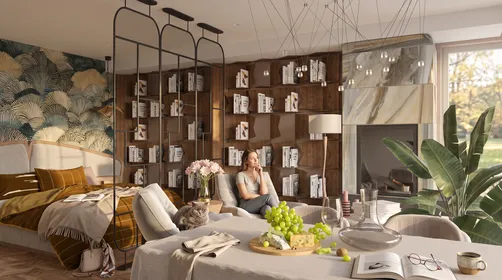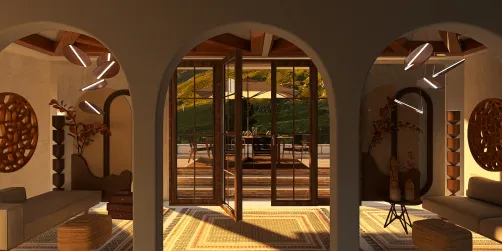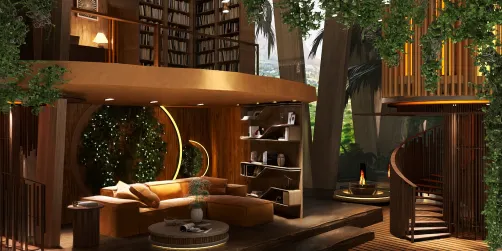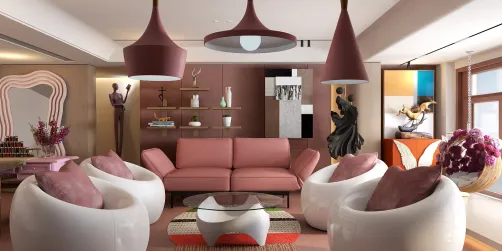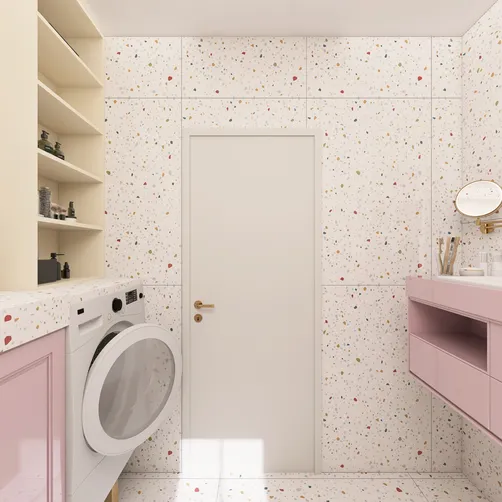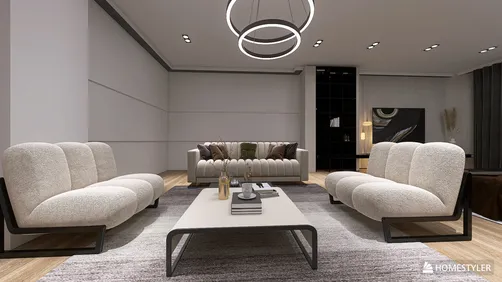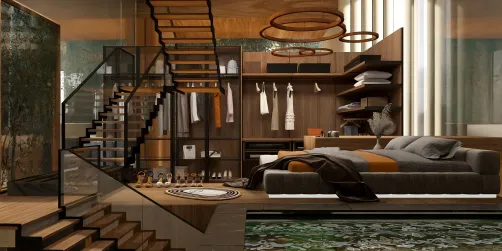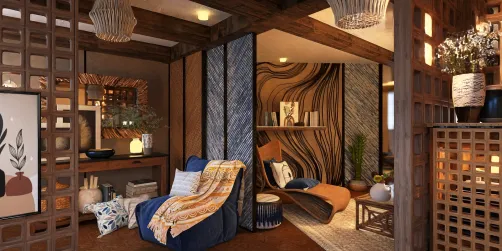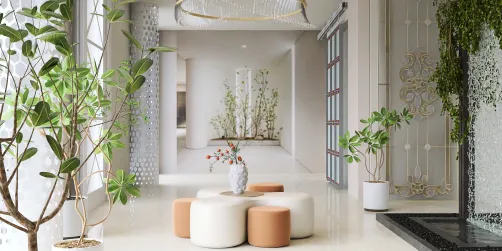

- Reading corner: Put a supportive chair beside a small table and task lamp; add a footstool only if it does not narrow the walkway.
- Conversation area: Arrange two chairs and a compact sofa around a low table, with seats angled toward one another rather than all facing the glass.
- Breakfast nook: Use a round or oval table where circulation is tight. Check chair pull-out space before settling on the table size.
- Work zone: Place a desk so daylight falls from the side of the screen, reducing reflections. Add a blind for bright hours and a task light for cloudy days.
- Planting station: Group plants by their light and watering needs, leaving room to reach each pot without stepping over furniture.
- Flexible family room: Choose movable side tables, washable covers, and storage baskets so the room can shift between lounging and play.
A sunroom can be a reading nook, breakfast spot, plant room, or extra living area—but strong daylight alone does not make it comfortable. The best sun room ideas start with how you want to use the space, then address glare, temperature swings, flooring, and furniture scale. Plan those basics first and the decorating choices become easier.

Start with the room’s light, size, and season
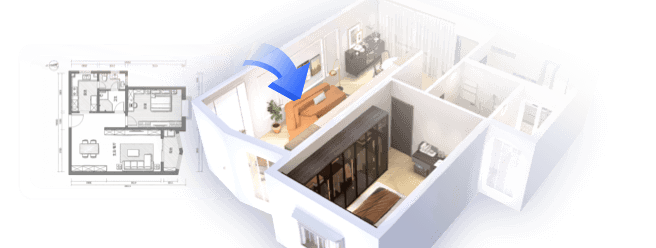
Before choosing a style, notice when direct sun enters, where people naturally walk, and whether the room is usable in winter or only in mild weather. A south- or west-facing glass room may need more shade than a north-facing one. If you are unsure how a sofa, dining table, or desk will fit, sketch the room or test a scaled layout in Homestyler before buying furniture.
A sunroom is not automatically a conservatory, and neither label guarantees year-round comfort. Insulation, glazing, air sealing, heating and cooling, and local building requirements determine how the room performs. Treat cost estimates as project-specific: the competitor article’s broad $15,000–$40,000 figure for a 12-by-12-foot room is not a dependable quote without location, foundation, glazing, permits, and finish details.
Sun room ideas for a layout that works
Choose one main purpose and let it guide the floor plan. Keep a clear route to doors and windows, and avoid placing bulky furniture where it blocks the best light or access to controls.
For a small sunroom, use fewer, appropriately scaled pieces rather than filling every corner. A bench with concealed storage can replace separate seating and cabinets. In a larger room, define zones with rugs or lighting, but keep the view and circulation open. I usually map the largest furniture first, then add smaller pieces only after the walking paths feel natural.
Control glare and temperature without losing the view
Glass can make a room bright and beautiful, but it can also create glare, fading, and uncomfortable heat. Adjustable window coverings are more useful than a single decorative layer: solar shades or blinds can reduce daytime glare, while curtains add softness and privacy. Select products rated for the window and exposure, and follow the manufacturer’s installation guidance.
Do not assume a fireplace or portable heater makes a glass room safe or efficient in every season. Heating and cooling choices depend on the room’s construction, electrical capacity, ventilation, and local code. For a room intended for regular year-round use, ask a qualified contractor to assess insulation, air leakage, glazing performance, and HVAC options. A fan may improve air movement, but it does not replace proper heating or cooling.


Choose finishes that can handle sunlight and daily use
Sunlight can fade fabrics and finishes over time. Look for upholstery and rugs with suitable fade resistance, and rotate cushions or accessories when practical. For floors, consider how the surface handles temperature changes, moisture tracked in from outdoors, and cleaning.
- Porcelain or ceramic tile: Easy to clean and available in many finishes; check that the selected product is suitable for the expected temperature range and use.
- Engineered flooring: Can offer a warmer appearance than tile, but confirm the product’s installation limits for sun exposure and temperature variation.
- Indoor-outdoor rugs: Define a seating area and are often easier to maintain than delicate natural-fiber rugs.
- Painted surfaces: A color change can refresh a room, but use a coating intended for the specific floor or wall material and follow preparation instructions.
- Brick or stone: Adds texture and visual weight; account for the subfloor, sealing needs, and the room’s overall thermal comfort.
The competitor’s suggestion to use oil-based floor paint as a general solution is too broad. Paint must match the substrate and traffic level; a product suitable for a porch or concrete floor may not be right for wood or a heated interior. Check the label and test a small area before committing.
Bring in plants, color, and texture
Plants can soften the boundary between indoors and outdoors, but choose them for the actual light conditions rather than the room’s name. Observe the sun at different times of day, then check each plant’s care requirements. Keep water away from wood floors and electrical equipment with saucers or waterproof trays.
For a calm palette, combine warm white, muted green, and natural wood. If you prefer stronger color, use it in a chair, cushions, artwork, or one painted surface so it can be changed without redoing the whole room. Botanical prints and landscape art add an outdoor reference even when the view is limited. Mix woven textures with smoother surfaces to keep a light-filled room from feeling visually flat.
I recommend testing paint and fabric samples in the room itself. Colors can look different in direct sun, shade, and evening light. A small sample viewed across those conditions is more reliable than choosing from a screen or a store display.
Make the room feel personal, not staged
A hanging chair, hammock, or swing can be a memorable feature, but it needs a properly rated support and suitable installation. Do not attach a swing to a ceiling or window frame without confirming the structure can carry the load. If drilling is not appropriate, choose a freestanding chair instead.
Vintage furniture, a compact bookcase, or a small bar cart can add character without turning the room into a display area. Keep frequently used items within reach and leave surfaces clear enough for cups, books, or plant care. In my experience, one or two meaningful objects make a stronger impression than a collection of small decorations competing for attention.
Sun room ideas for different design styles
- Scandinavian: Pale wood, simple silhouettes, textured throws, and a restrained number of plants.
- English garden room: Painted wood, patterned cushions, a small round table, and layered greenery.
- Modern: Slim-profile furniture, clean-lined shades, and a limited palette with one strong accent.
- Vintage-inspired: Secondhand wood pieces, a patterned rug, and a few well-chosen objects rather than a full period set.
- Coastal: Soft blues, natural fibers, and light finishes; avoid materials that cannot tolerate the room’s sun and humidity.
- Minimal: A single seating group, concealed storage, and uncluttered window areas that keep the architecture visible.
Use the style of the main house as a reference, not a strict rulebook. Repeating one material or color can connect the sunroom to adjacent spaces while still allowing it to feel distinct.
A practical checklist before you buy
- Measure the room, doors, and window locations; note outlets, radiators, and vents.
- Mark the main walking route and leave enough room to open doors and operate window coverings.
- Decide whether the room is seasonal or intended for year-round use.
- Check direct-sun patterns and choose shade, upholstery, and plants accordingly.
- Confirm flooring and furniture materials suit the room’s temperature and moisture conditions.
- Set a budget that includes installation, delivery, electrical work, permits, and contingency—not just furniture.
If you want to compare furniture arrangements before purchasing, build a simple 3D plan in Homestyler. It can help reveal awkward clearances and competing zones, though it cannot replace a contractor’s assessment of structure, code, or building performance.
Frequently asked questions
What is the cheapest way to make a sunroom more comfortable?
Start with low-cost changes that address the actual problem: adjustable shades for glare, a washable rug for comfort, and rearranged furniture for better circulation. If the room is too hot or cold, decor alone will not solve the underlying issue; investigate air leakage, glazing, and appropriate heating or cooling before spending on finishes.
Can a sunroom be used all year?
Some can, but the answer depends on insulation, windows, air sealing, and mechanical systems. A room built as a three-season space may not be suitable for winter use without upgrades. Ask a local professional to evaluate the existing construction and applicable requirements.
What furniture works best in a sunroom?
Choose pieces sized to the room and made with materials suited to sunlight and temperature changes. Lightweight chairs, washable upholstery, and movable tables are practical. Keep a clear path to doors and avoid blocking windows or controls.
Are plants a good choice for a sunroom?
Yes, when the light and temperature suit the plants. A sunroom can have bright direct sun, indirect light, or large daily temperature swings, so check conditions before choosing varieties. Use trays to protect floors and group plants according to care needs.


A well-planned sunroom does not need an elaborate theme. Give it a clear purpose, manage the light, choose durable finishes, and leave enough open space to enjoy the windows. Those decisions turn a bright room into a place you will actually use.
Originally incubated at Autodesk, Homestyler has grown into one of the most widely adopted home design platforms in the world, now trusted by over 20+ million registered users (platform data, 2026). Whether you're a homeowner exploring ideas or a professional designer delivering client-ready renders, Homestyler brings industry-leading 3D technology to your fingertips — no experience required.
ビストデザインチャレンジ 今すぐ无料でデザイン