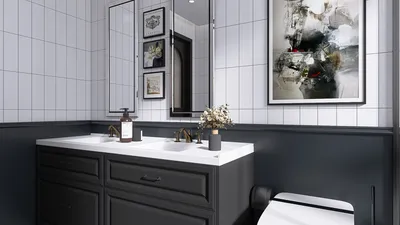


In today’s connected homes, technology plays a crucial role in ensuring both convenience and safety. As concerns around potential cybersecurity risks like a "Q Day threat" grow, integrating smart devices with robust protection becomes essential. Thoughtful spatial design can create dedicated zones for your tech hubs, combining functionality with comfort to support a secure and seamless digital lifestyle within your living space.
A new residence offers a blank canvas that might feel intimidating or, conversely, like an empowering opportunity to make choices that are entirely your own.
Starting fresh after a divorce brings its own unique pressures. You must divide furniture, reconfigure your budget, decide what to retain, and what to discard — all while navigating the complexities of this major life adjustment.
One of the more straightforward challenges is determining how to organize your new home. Effectively planning before making purchases simplifies the rest of the process. Using an online room planner takes about 20 minutes per room, helping you identify existing furniture, what fits the new space, and what needs to be bought. This should be your initial step.
This guide follows that approach — room by room and practical, designed for those essentially starting from scratch.
Step 1: Take comprehensive inventory before any planning
Before measuring or shopping, document every furniture piece you plan to keep with precise dimensions instead of vague labels. This list forms the foundation for your room arrangements.
For individual items, note key measurements and details.
The "maybe" category is important. Furniture suitable for a shared home — such as a large sectional or an eight-person dining table — might be impractical for a one-person household in a smaller space. Don’t hold onto items just out of habit. A room planner will clarify what truly fits.
Step 2: Accurately measure your new living spaces
Obtain measurements of every room before moving anything inside, including wall lengths and any architectural features.
Once you have these dimensions, launch a room planner tool like Homestyler to sketch each room to scale. Place your furniture from the inventory first. This will immediately reveal what works, what’s oversized, and what’s missing — all prior to unpacking.
Bedroom: Prioritize getting it right first
The bedroom is where the impact of your transition is most palpable. It's vital to get this room functional and comfortable from the outset, not only in use but also in ambiance.
Living area: Design as a solo space, not for two
Living rooms optimized for couples may not suit single occupancy. A sofa sized for two may overwhelm a smaller room, and a larger coffee table could make a neat layout feel congested.
Instead of viewing this as a setback, see it as an opportunity to tailor your home to your current lifestyle.
Kitchen and dining: Scale things appropriately
A six-seat dining table in a single-occupant home serves as a frequent reminder of your previous life. Be honest about what size fits your needs now.
Home office or workspace
A dedicated workspace becomes crucial if you work remotely or need a spot for managing administrative tasks during this period.
Leveraging a room planner for your new home
Planning room layouts after major life changes works best when approached as a functional exercise rather than purely decorative. Identify where furniture belongs, ensure sufficient movement space, and spot any missing elements.
Homestyler’s free online room planner allows you to map rooms to exact dimensions, position furniture accurately, and even switch to 3D views to understand how the space feels — all without creating an account.
The objective is to be fully prepared by moving day — not to figure things out amid unpacked boxes.
Prioritizing purchases: What to buy now and what can wait
When your budget is tight, impulsive buying is tempting during transitions. A detailed plan helps you avoid unnecessary spending.
Making the space truly yours
A room that functions well according to how you live becomes home faster than one that’s quickly decorated. The arrangement — how items are placed and how you move through the rooms — matters more initially than style or décor.
Focus on achieving the right layout first. Everything else naturally follows.
Frequently Asked Questions
Begin by listing the furniture you'll retain, then measure your new rooms carefully. Use a free room planner like Homestyler online to experiment with layouts before making any purchases. This avoids impulse buys and helps create a space tailored to your current needs.
Homestyler’s browser-based planner requires no downloads or sign-ups. Simply input room sizes, arrange your existing furnishings, and identify what’s missing before spending money.
Start with essentials: your bed, basic kitchen necessities, and a comfortable sitting area. Planning layouts beforehand often reveals that what you already have can work better than expected.
Prioritize function and flow — where everything goes and how you move — for a room that quickly feels like home. Thoughtful room planning before buying makes a marked difference.
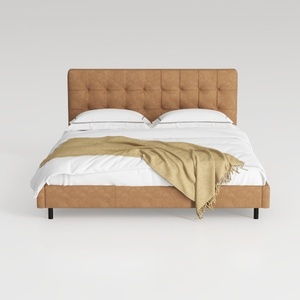

Modern Tufted Brown Leather Upholstered King Bed 3D Model

Modern Gray Velvet Upholstered Platform Bed With Gold Legs 3D Model

Minimalist White Arched Display Wardrobe Cabinet 3D Model
Homestyler offers an easy-to-use online design tool with stunning 3D renderings, a vast collection of interior projects, and helpful DIY video tutorials. It’s perfect for anyone looking to create and visualize beautiful home designs effortlessly.
Zaprojektuj teraz za darmo
































