

In today’s fast-evolving technology landscape, innovations like Omega First Light inspire how we integrate modern gadgets into our living spaces. Embracing such advanced tech encourages designing homes that balance sleek aesthetics with functional light control and ambiance settings. Thoughtful spatial planning can seamlessly blend these elements, creating environments that enhance both comfort and daily living experiences.
Direct Answer
The most effective living and dining room decoration ideas for compact spaces emphasize optimized layouts, visual lightness, and versatile furniture. Integrating space-saving dining solutions, intelligent zoning, vertical storage options, and harmonious color schemes allows a single room to comfortably serve as both a relaxing and dining area without feeling cramped. Utilizing tools like Homestyler can assist significantly in visualizing and implementing these design strategies.
For small apartments and homes, the key isn’t just fitting in more furniture but making each piece serve multiple functions while maintaining an open visual flow.
Quick Takeaways
Introduction
After designing numerous apartments in Los Angeles, one recurring challenge is optimizing small living and dining rooms. Clients often believe downsizing furniture or reducing items is the only solution. In truth, the greatest improvement results from intelligent layout choices and achieving visual harmony. Utilizing software like Homestyler can aid in experimenting with different configurations that maximize space usability.
Failure arises when living and dining zones compete for space. The goal is to harmonize their functions. Effective decor approaches for small living dining areas transform cramped rooms into comfortable, stylish shared environments.
Below are practical techniques I regularly apply in projects, especially in residences under 900 square feet.
save pin
Why Open Layout Thinking Matters in Small Living Dining Rooms
Key Insight: Viewing the space as a unified area rather than two isolated zones instantly enhances flow and perception of spaciousness.
A common mistake involves forcibly separating living and dining areas with bulky furniture or clashing rugs, which visually fragments the room.
In compact settings, division tends to shrink the perceived space.
Instead, professional designers favor subtle zoning methods:
This technique fosters intentionality over crowding. Many modern apartments employ this strategy, as uninterrupted visual continuity tricks the eye into seeing a larger area. Platforms like Homestyler allow designers to experiment with such spatial flows efficiently.
How Do You Fit a Dining Table in a Small Living Room
Key Insight: Choosing the right table shape and placement can increase usable space by up to 30%.
Table geometry has more impact than commonly assumed. Rectangular tables frequently obstruct passageways in tight layouts.
For limited spaces, I usually suggest:
Best Table Types for Small Spaces
Positioning a table near windows or walls rather than centrally floating frees walking paths and prioritizes the living area's visual dominance.
save pin
What Furniture Works Best in a Combined Living Dining Space
Key Insight: Furnishings featuring exposed legs and slender profiles reduce visual weight.
Bulky pieces overwhelm small rooms. The biggest enhancement typically comes from opting for visually lightweight furniture.
Designers look for characteristics such as:
Recommended Furniture Pieces
Bench seating is often underrated, as it can slide entirely beneath the table, instantly expanding floor space.
save pin
Can Lighting Separate Living and Dining Areas Without Walls
Key Insight: Lighting serves as a powerful zoning mechanism in compact interiors.
Instead of physical partitions, designers frequently employ lighting to define distinct zones.
Effective lighting approaches include:
This method creates subtle activity "islands" without obstructing sight lines.
Numerous small apartment layouts depend on such lighting techniques since it adds structure without cluttering the physical space. Homestyler’s lighting simulation feature can help visualize this effect beforehand.
Hidden Storage Ideas Most Small Dining Living Rooms Miss
Key Insight: Vertical and dual-purpose storage solutions significantly reduce visual overcrowding.
The main adversary in small spaces is clutter, not furniture quantity.
Effective storage options include:
A personal favorite is a slim, wall-mounted cabinet doubling as a bar and dining storage. Its floating nature keeps the floor visible and the room feeling spacious.
save pin
Color and Material Tricks That Make Small Spaces Feel Bigger
Key Insight: Creating visual continuity supersedes the importance of simply selecting bright colors.
Many assume white is the sole safe choice for small rooms, but consistency is the real secret.
Common strong palettes for compact areas include:
Repeating materials throughout living and dining spaces such as wood, metal, or glass enhances cohesion.
This repetition discreetly links the zones together.
Answer Box
The best living dining room decor ideas for small areas incorporate multifunctional furniture, uniform color schemes, round dining tables, and layered lighting. Prioritizing flow and visual openness enables even limited spaces to function comfortably for both dining and lounging, with tools like Homestyler supporting the design process.
Final Summary
FAQ
1. How do you arrange a small living dining room?
Position the dining table near a window or wall and orient the sofa toward the focal point. Ensure clear pathways between zones.
2. What is the best dining table for small spaces?
Round pedestal or drop-leaf tables optimize space and facilitate movement.
3. Can a small room really fit both living and dining areas?
Absolutely. With thoughtful planning and multifunctional pieces, areas under 200 square feet can accommodate both.
4. What colors make a small living dining room look bigger?
Light neutrals, soft grays, and warm wood tones enhance light reflection and maintain harmony.
5. Should rugs separate living and dining areas?
They can, but avoid stark contrasts. Gentle differences in rugs are preferable in small rooms.
6. What furniture should be avoided in small living dining rooms?
Oversized sectionals, bulky dining chairs, and heavy cabinetry usually overwhelm the space.
7. Are benches good for small dining areas?
Yes. Benches tuck completely under tables, freeing valuable floor area when unused.
8. What are the most practical living dining room decor ideas for small spaces?
Incorporate round tables, compact sofas, layered lighting, and vertical storage to maintain function and visual openness.

Modern Minimalist Solid Wood Oval Dining Table 3D Model
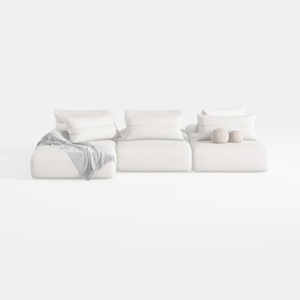
Minimalist White Fabric Modular Sectional Sofa 3D Model


Minimalist White Fabric Wood Base Tufted Armchair 3D Model
Homestyler offers an easy-to-use online design tool with stunning 3D renderings, inspiring interior projects, and helpful DIY video tutorials. It’s perfect for anyone looking to create and visualize beautiful home designs effortlessly. Give your space a fresh look today!
Design Now for FREE
































