Direct Response
Installing large decorative wall elements can lead to wall damage if improper anchors, uneven weight distribution, or inadequate structural support are used. Drywall alone is generally insufficient to hold heavy decor safely without the use of anchors or securing into studs. Adhering to a comprehensive safe wall decor installation guide helps prevent cracking, anchor failures, and falling decorations.
Key Takeaways
Overview
With over ten years of experience in residential interior design across the United States, I've noticed a recurring issue: stunning oversized wall decorations installed using unsuitable hardware. Within weeks, drywall often cracks, anchors become loose, or the entire piece collapses.
Oversized decorative installations such as statement wall panels, large framed artworks, and sculptural pieces are increasingly popular. However, safely installing them requires knowledge of how walls function structurally. Applying a proper safe wall decor installation guide not only protects your artwork but also safeguards your home's structural integrity.
In many projects, we commence by digitally designing the layout and positioning prior to physical installation. If you intend to create a feature wall or arrange large decor, utilizing visualization tools like Homestyler before hanging sizeable decorative items can help avoid mistakes in spacing and weight distribution early on.
This article details typical risks for wall damage, drywall weight limitations, and professional mounting techniques trusted by designers and installers.
save pin
Why Heavy Wall Decor May Damage Walls
Insight: Most wall damage occurs because decor concentrates excessive weight on a single drywall anchor point.
Drywall isn’t engineered to bear significant loads alone. When heavy panels or large framed artworks are mounted incorrectly, several issues can arise:
A common but hidden concern is "dynamic load." Though an item might weigh around 30 pounds, forces from door slamming, nearby foot traffic, or slight frame movement amplify stress over time.
Professional installers rarely depend on a single anchor for heavy decor. Instead, they spread the load across several anchors or affix directly to wall studs.
According to the U.S. Gypsum Association, drywall hangers without anchors generally support less than 10 pounds safely.
Understanding Wall Construction in Contemporary American Residences
Insight: Your wall type dictates the appropriate hardware selection.
Most American homes built since the 1960s feature drywall mounted on wood studs spaced roughly 16 inches apart. However, remodels and apartment buildings may present different structural variations:
Each wall surface requires distinct mounting strategies.
In older homes, plaster walls are prone to crumbling if modern drywall anchors are misused. Therefore, testing wall material before drilling is essential.
save pin
Selecting Suitable Anchors and Mounting Hardware
Insight: Choosing the correct anchors significantly increases the safe load capacity of your decorative installation.
Many wall mounting failures stem from using improper anchors. Designers and contractors typically choose hardware based on the decor's weight and wall composition.
Common types of anchors include:
Here's a brief comparison:
Prior to installing large panels or sculptural wall pieces, many designers simulate layouts digitally. Tools like Homestyler that allow wall and structural mapping before drilling help avoid incorrect placement.
Answer Summary
The most secure method to install substantial wall decor is ensuring attachment to wall studs or distributing weight through multiple heavy-duty anchors. Most drywall failures happen when installers rely on singular anchors or underestimate actual load demands.
Weight Capacities for Drywall and Stud Installations
Insight: Mounting directly into studs offers superior strength compared to drywall anchors.
In practice, stud mounting is the safest and most reliable installation method whenever possible.
Typical load capacities include:
For example, a decorative panel weighing 60 pounds should never depend on a single drywall anchor. Instead, mounting into two studs or using several toggle bolts to spread the load is advisable.
This principle of distributing weight is standard in gallery and museum hanging setups.
Avoiding Wall Cracks and Accidental Falls
Insight: Structural failures often occur weeks or even months after mounting—not immediately.
Minor errors during installation gradually weaken drywall over time. Taking preventive measures greatly reduces the risk:
Professionals often test wall mounts by applying steady downward pressure before job completion.
Vibrations are another frequently overlooked issue. Wall decor placed near stairwells, doors, or exercise equipment experiences continual slight movements that degrade anchor hold with time.
save pin
Best Practices for Installing Large Decorative Panels
Insight: Successful installation of oversized panels requires thoughtful planning, accurate measurement, and understanding of wall structure—not simply aesthetics.
From experience, the safest setup process includes these steps:
For complex decorative arrangements or feature walls, professionals often preview final designs using room visualization software. Many homeowners find applications like Homestyler invaluable for previewing large wall decor digitally before making holes in the wall.
This additional planning prevents unnecessary wall damage, wasted time, and expensive repairs.
Conclusion
Frequently Asked Questions
How much weight can drywall hold without anchors?
Generally, drywall supports only 5 to 10 pounds safely without anchors. Heavier items require anchors or stud fastening to avoid damage.
What is the safest method to mount heavy wall art?
Mounting directly into studs or using robust toggle anchors when studs aren’t accessible provides the safest installation.
Can drywall anchors support large artwork?
Certain heavy-duty drywall anchors can support between 30 and 50 pounds, depending on installation quality and wall condition.
How can I avoid wall damage when hanging decor?
Use appropriate anchors, distribute the weight evenly across several mounting points, and avoid drilling near drywall joints.
Do I always need to locate studs for heavy decor?
For decor exceeding 50 pounds, stud mounting is highly recommended for safety and longevity.
Which anchors work best for hollow walls?
Toggle bolts and molly bolts are typically preferred for hollow drywall walls when studs cannot be accessed.
Do large decorative panels cause drywall damage over time?
Yes. Even well-mounted panels can stress drywall if weight is focused or anchors loosen as time passes.
What topics are covered in a safe wall decor installation guide?
It covers weight calculations, anchor choice, locating studs, hardware specifications, and load distribution techniques.
Sources and References
What began as an Autodesk innovation has evolved into a design platform used by more than 20+ million registered users (platform data, 2026) around the globe. Homestyler combines powerful rendering, an intuitive editor, and a vast furniture library to help you turn inspiration into photorealistic designs — whether you're redesigning a single room or planning an entire home.

Gold Brass Clear Glass Pinecone Decorative Ornament 3D Model
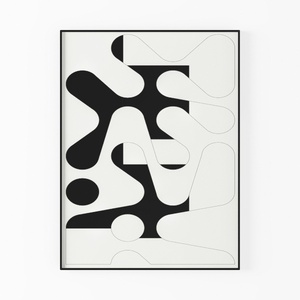

Minimalist Abstract Geometric Wall Art Print 3D Model

Cute Cartoon Polar Bear Scooter Wall Art Decor 3D Model
Homestyler offers an easy-to-use online home design tool packed with stunning 3D renderings, inspiring design projects, and helpful video tutorials. It’s perfect for turning your interior design ideas into reality with professional-quality results.
Design Now for FREE








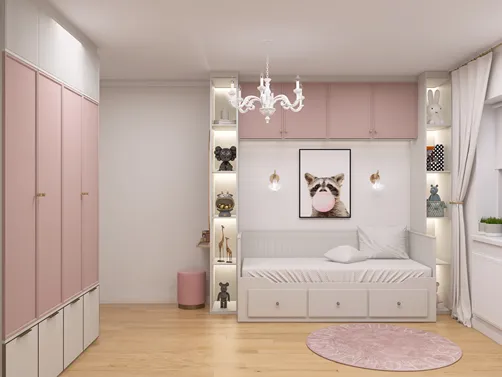



















![[For dear Adelina madee 🤎]](https://hs-designs.homestyler.com/production/design/images/8a07e535-9cbc-4132-a42a-5932dac3a112/1706972286037.jpg?x-oss-process=image/resize,w_502,m_mfit/format,webp)