

| Potential advantage | What it looks like in practice | Trade-off to consider |
|---|---|---|
| Creative problem-solving | Turning a brief into a usable, coherent space | Ideas must fit budgets, codes, and site conditions |
| Visible impact | Improving how people use a room or building | Results depend on execution beyond the designer’s control |
| Project variety | Working across clients, spaces, and styles | Frequent context-switching and changing priorities |
| Career flexibility | Choosing among firms, specialties, or independent work | Each path has different risks and requirements |
| Collaboration | Learning from clients and project teams | Communication and conflict management take effort |
| Portfolio growth | Showing process and outcomes over time | Building credibility takes sustained work |
Interior design can look like a dream job from the outside: choosing colors, arranging furniture, and making beautiful rooms. The real work is broader. Designers translate how people live into spaces that are functional, safe, and visually coherent, while balancing budgets, schedules, building constraints, and client expectations. The pros of being an interior designer are strongest for people who enjoy both creative decisions and practical problem-solving.

Before choosing this path, separate the profession from the popular image of decorating. Interior designers may work on space planning, lighting, finishes, accessibility, documentation, procurement, and coordination with contractors. The exact scope depends on the role, location, project type, and local rules. Here are the benefits that can make the career rewarding—and the realities that help you decide whether they fit you.
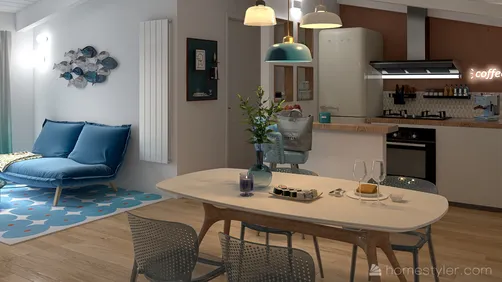
Vista le sfide di progettazionePros of being an interior designer: solving visible, human problems
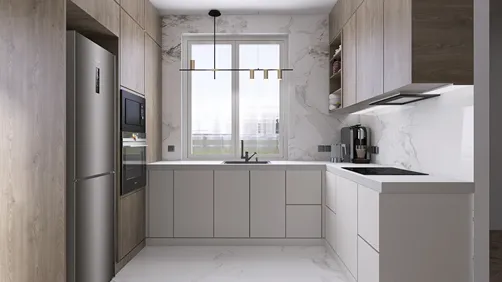
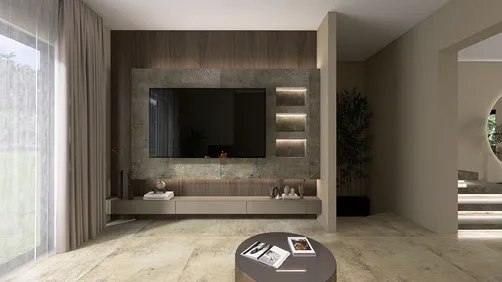
A design decision can change how a room works every day. A better entry layout can reduce clutter; a well-planned kitchen can make cooking easier; thoughtful lighting can support different tasks. The result is tangible: you can see how a plan becomes a place people use.
That practical impact distinguishes interior design from purely decorative work. A designer considers circulation, storage, proportions, materials, and the needs of the people using the space. In my experience, the most satisfying projects are not necessarily the most expensive ones; they are the ones where a clear design response solves a real constraint.
Pros of being an interior designer: creativity with a purpose
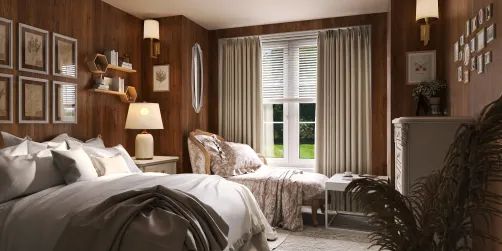
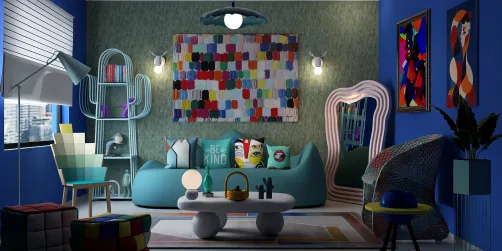
Interior designers use visual judgment, but creativity is not an end in itself. It helps turn a brief—often a mix of preferences, limitations, and competing priorities—into a coherent solution. You might find a way to make a small room feel less crowded, combine existing furniture with new pieces, or create a consistent palette across an open-plan home.
The process also gives creative people structure. A concept must be communicated through drawings, samples, specifications, and decisions that can be built or purchased. If you enjoy generating ideas and then testing whether they work in the real world, this balance can be a major advantage.
3. Projects keep the work varied
No two clients, buildings, or budgets are exactly alike. One project may involve a compact apartment, another a family home, a hospitality space, or a workplace. Even within one category, the brief changes with the occupants, site conditions, schedule, and available materials.
Variety can keep the work engaging, but it also means adapting your process. Designers need to learn a client’s priorities, assess what the space allows, and make decisions that suit the project rather than repeating a signature look. I recommend treating each brief as a fresh problem, not as a chance to apply the same solution everywhere.
4. You can choose from several career paths
Interior design is not one job title or one business model. Depending on training, experience, local regulations, and interests, professionals may work in residential or commercial design, kitchen and bath planning, lighting, furniture or product design, visual merchandising, set styling, design sales, or project coordination.
Employment options also vary. Some designers join a studio or architecture firm; others work for retailers, contractors, developers, or manufacturers. Experienced professionals may build an independent practice. Each route has different levels of client contact, creative control, income predictability, and responsibility, so it is worth researching the day-to-day work rather than choosing by title alone.
5. Collaboration builds a broad skill set
A project brings together people with different expertise: clients, architects, builders, electricians, suppliers, and sometimes engineers or specialist consultants. Designers learn to explain ideas clearly, listen carefully, document decisions, and resolve disagreements without losing sight of the brief.
Those skills transfer beyond design. Client communication, presentation, negotiation, scheduling, and coordination are useful in many creative and business roles. The work can also introduce you to materials, construction methods, and how decisions made on paper affect installation on site.
6. Your portfolio can show progress
Design work produces evidence of your thinking: plans, sketches, material palettes, renderings, and completed spaces. A portfolio can help you communicate your approach to employers or prospective clients, especially when it explains the problem, the constraints, and the reasoning behind the solution—not just the final image.
Early-career designers can build a portfolio through coursework, supervised projects, internships, or carefully documented personal work. Be transparent about your role and avoid presenting conceptual work as a completed commission. A clear process story often demonstrates more than a polished image alone.
7. Digital tools make ideas easier to test
Design software can help turn a rough concept into a plan or three-dimensional view that clients can understand. Digital models are useful for comparing layouts, checking proportions, and communicating options before purchases or construction begin. They do not replace measurements, technical knowledge, or site verification, but they can make conversations more concrete.
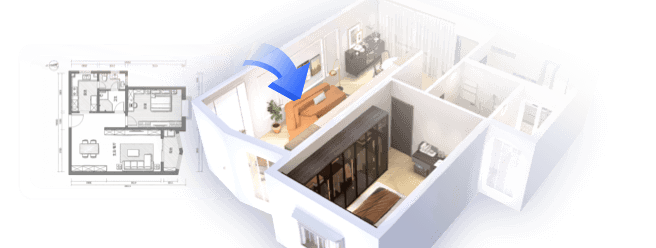
For a home project, Homestyler can help visualize a room layout and explore furniture arrangements before committing to a direction. A model is a decision aid, not proof that every dimension, product, or construction detail is correct; verify critical measurements and specifications separately.


What the benefits do not erase
A balanced career decision includes the less appealing parts. Interior design can involve revisions, tight deadlines, budget limits, delayed products, and difficult conversations. A designer may spend as much time coordinating details and documenting choices as developing concepts. Independent work can add marketing, contracts, invoicing, and uneven project flow.
The work is also not automatically lucrative or flexible. Earnings and schedules vary by region, specialization, experience, employer, and business model. A self-employed designer may have more control over projects but also carry more responsibility for finding clients and managing operations. Before making a major commitment, speak with working designers in your area and ask what a typical week actually includes.
Skills that help you benefit from the career
A strong interior designer combines visual thinking with reliable execution. These capabilities are useful across many roles:
- Listening and briefing: Clarify how clients use a space, what they value, and what constraints matter most.
- Spatial reasoning: Understand circulation, scale, furniture clearances, and how rooms connect.
- Visual communication: Present concepts through drawings, samples, plans, or digital models.
- Technical awareness: Learn materials, lighting, construction coordination, and applicable local requirements. Scope and licensing rules differ by jurisdiction, so check the rules where you plan to work.
- Organization: Track decisions, specifications, budgets, deadlines, and open questions.
- Adaptability: Respond constructively when a product is unavailable, a site condition changes, or a client revises the brief.
You do not need to master every skill before starting. Education, supervised practice, and feedback can build them over time. The important question is whether you are willing to develop the less glamorous parts alongside your creative strengths.
How to test whether interior design suits you
Try a small, low-risk project before committing to a long training path. Redesign a room using its existing furniture, document the measurements, and explain why each change improves function. Ask someone to use the plan and point out what is unclear. This reveals whether you enjoy the reasoning and communication—not only selecting finishes.
You can also review local job listings, compare the qualifications they request, and arrange informational conversations with designers in different settings. Ask about time spent on design versus administration, client interaction, site visits, software, and project coordination. If you are exploring a room concept, Homestyler offers a way to test layouts visually; treat the result as a starting point and confirm real-world dimensions before acting.
Is interior design a good career for you?
Interior design may suit you if you like making spaces work better, can explain your decisions, and are comfortable balancing creative goals with practical limits. The strongest pros of being an interior designer—visible impact, varied projects, and a mix of creativity and analysis—come with responsibility for details, communication, and follow-through.
It may be a poor fit if you want uninterrupted creative control or dislike negotiation, documentation, and changing requirements. Neither answer is universal. Compare the daily work of several career paths, learn what training and regulation apply in your location, and seek firsthand perspectives before deciding. If you want to explore a concept at home, Homestyler can help you visualize options, while a real project still calls for accurate measurements and appropriate professional advice.
Frequently asked questions
What is the difference between an interior designer and an interior decorator?
The terms are used differently across regions and workplaces. Broadly, interior design often includes space planning and coordination of functional or technical decisions, while decorating tends to focus more on finishes, furnishings, and visual styling. The exact scope, qualifications, and protected titles depend on local rules, so check the requirements where you live.
Do you need a degree to become an interior designer?
Requirements vary by country, state, and type of work. Some employers prefer or require formal education, while certain regulated services or professional titles may have specific qualifications. Review local regulations and job postings, and consider accredited education or supervised experience where appropriate.
Can interior designers work remotely?
Some tasks—concept development, presentations, and parts of client communication—can be done remotely. Measuring, site assessment, installation coordination, and certain client meetings may require in-person work. The balance depends on the project and the designer’s role.
Is interior design mostly about decorating?
No. A designer may work on layout, circulation, lighting, materials, documentation, budgets, and coordination as well as appearance. The mix varies by project, but visual choices need to support how the space functions.
What is one practical first step toward the career?
Built on technology originally developed at Autodesk, Homestyler empowers anyone to design beautiful, realistic spaces in minutes. Join over 20+ million registered users (platform data, 2026) who have already discovered a smarter way to plan, visualize, and bring their dream homes to life — all from the comfort of a browser.
Talk with working designers and review entry-level roles in your area. Then try a small design exercise that includes measurements, a budget, and a written rationale. This gives you a more realistic view of the work than inspiration images alone.
Progetta ora GRATIS