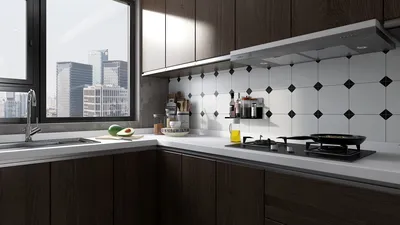


In today’s connected homes, the integration of a versatile TV app transforms how we interact with our living spaces. As streaming services become central to entertainment routines, designing a cozy media nook with ergonomic seating and adjustable lighting enhances both comfort and viewing experience. Thoughtful spatial planning ensures that technology blends seamlessly with home aesthetics, creating an inviting area tailored for relaxation and digital enjoyment. Using tools like Homestyler can help visualize and optimize these living spaces with precision and style.
The first fashion studio I assisted in designing almost drove the designer to frustration. Despite beautiful mood boards, high-end sewing machines, and racks filled with fabrics, the collection deadlines were still missed. The root cause was never about lacking talent — it was the arrangement of the space. To help, I demonstrated a simple room planning method I frequently use with beginners. This quick exercise revealed three significant workflow inefficiencies right away.
This experience highlights why compact spaces captivate me so much. In a small fashion studio, every piece of furniture and lighting fixture directly influences the creative process more profoundly than people expect. In this article, I’ll explore five common layout errors in fashion design studios and share practical strategies I’ve employed to resolve them.
Why Ineffective Studio Layouts Diminish Creative Output
I've observed skilled designers lose precious time wandering across their studios. Sketching zones are isolated from fabric storage, and the sewing machine is often tucked away awkwardly in a distant corner.
For creative projects to flow efficiently, uninterrupted sequencing is essential. When a layout forces frequent pauses — standing, relocating tools, or searching for essentials — the mind switches from creative design to problem-solving mode. A surprisingly straightforward solution is to organize the studio based on the workflow steps rather than fitting existing furniture arbitrarily.
Lighting Issues and Their Impact on Fabric and Color Work
Lighting errors repeatedly show up in fashion studios. I’ve encountered clients selecting fabric colors under warm yellow lighting that looked entirely different when viewed in neutral daylight for photographs.
An ideal lighting setup combines three elements: overhead ambient lighting, strong task lights above cutting tables, and bulbs balanced for daylight near color-critical areas. The main challenge remains avoiding harsh shadows that can misrepresent a fabric’s texture during evaluation.
Disorganized Work Zones Between Sketching, Cutting, and Sewing
Broken workflow between sketching, cutting, and sewing spaces is the most common layout problem I address. Designers tend to place equipment wherever it fits rather than following the natural production sequence.
When mapping studios, I literally chart the path a garment takes from concept to prototype. Utilizing a clear floor plan layout—such as those generated by Homestyler—makes it easier to position, for instance, the cutting table between the sketch station and sewing machine. Usually, a slight rearrangement can cut dozens of unnecessary steps per project.
Challenges in Fabric and Material Storage
Improper fabric storage quietly consumes large portions of a studio. Rolls accumulate chaotically, swatches go missing, and designers struggle to locate materials used recently.
I advocate for vertical storage solutions first—tall shelves, wall-mounted racks, and hanging organizers. This approach keeps materials visible while freeing valuable floor space. However, robust brackets are necessary to safely support heavier fabric rolls, ensuring durability.
Messy Workstations and How to Organize Them
A cluttered workstation quickly impedes production. I’ve witnessed cutting tables so overloaded with tools that barely any space remained for fabrics.
My guideline is simple: only keep items needed for the current stage on the work surface. To help clients design better layouts, I sometimes present 3D studio layout visualizations created using Homestyler, allowing them to see how shelves, drawers, and tool stations reduce clutter before physically rearranging anything.
FAQ
1. What are the most common fashion design studio layout mistakes?
Typical problems include inadequate lighting, inefficient workflow zones, cluttered work areas, and poor fabric storage practices. These factors can hinder production speed and dilute creative focus.
2. Why does my fashion studio feel inefficient?
Studios that break the logical sequence between sketching, cutting, and sewing cause wasted time and frustration as designers move randomly between areas.
3. How can I improve a small fashion studio layout?
Prioritize arranging the workflow sequence first, then maximize storage with vertical shelving solutions to save space and improve accessibility.
4. What type of lighting is best for fashion design studios?
Neutral, daylight-balanced light around 5000K is optimal for accurate color assessment. According to standards by the Illuminating Engineering Society (IES), balanced lighting minimizes visual distortions during detailed tasks.
5. How should fabrics be stored in a studio?
Utilize vertical racks, clearly labeled bins, and hanging systems to keep materials visible and easily retrievable, preventing time loss searching for items.
6. How much space do I need for a fashion design studio?
Even compact studios of 100–150 square feet can function efficiently when zones are well structured and storage is optimized vertically.
7. Should sewing machines and cutting tables be close together?
Absolutely. Keeping these key stations close reduces unnecessary steps and streamlines the garment production process.
8. Can layout changes really improve productivity?
Yes. Even minor tweaks to lighting, storage, and workstation arrangement can significantly cut wasted time and reduce mental fatigue, enhancing creative output.


Homestyler is an easy-to-use online platform that lets you design your home with powerful 3D rendering tools. Explore thousands of interior projects and learn through helpful DIY video tutorials to bring your dream space to life effortlessly.
Design jetzt kostenlos
































