


As enthusiasm for the latest PlayStation Plus June 2026 games grows, many gaming enthusiasts seek to enhance their home entertainment spaces to match their evolving digital lifestyle. Creating a dedicated gaming nook with ergonomic seating and optimized lighting not only improves comfort but also complements the immersive experience these new titles offer. Thoughtful spatial planning can transform a typical room into a versatile hub for relaxation and entertainment.
Is 3D modeling enjoyable to learn?
Indeed, 3D modeling can be immensely enjoyable, particularly for those who appreciate visual creativity and problem-solving. It merges artistic expression, design principles, and technical skills, enabling creators to realize their ideas as realistic digital objects or environments. Although the initial learning phase may be challenging, most users find increased satisfaction once they master the fundamental tools.
Key Highlights
Understanding the Nuances of 3D Modeling Fun
When asked about the enjoyment factor of 3D modeling, my response varies depending on the learner's stage. Having spent over ten years in interior design and architectural visualization, I’ve witnessed the initial struggle as well as the rewarding creative flow afterward. The first several weeks can seem like grappling with intricate software, but once the tools become familiar, 3D modeling transforms into one of the most gratifying creative endeavors.
Through my use of 3D modeling — from designing Los Angeles apartments to visualizing commercial interiors and experimenting with layouts before construction — I've seen how turning imagination into detailed digital spaces captivates designers, game developers, and product creators alike. This article delves into what makes 3D modeling enjoyable, common stumbling blocks, and strategies for beginners to accelerate their enjoyment.
Why Do Designers Find 3D Modeling So Rewarding?
The joy of 3D modeling largely stems from the immediate visual feedback you receive between ideas and their realization. Unlike other creative tools where results accumulate slowly, 3D modeling provides instant transformation — relocating a wall, tweaking lighting, or swapping materials instantly alters the scene. This dynamic feedback loop is highly engaging for creatives.
In my experience with interior visualization projects, three main components contribute to the enjoyment: rapid iteration, creative flexibility, and visual immersion. Many architecture and game design studios depend on these strengths to accelerate their design cycles, which explains why countless designers spend hours modeling without noticing the passage of time.
Is 3D Modeling Difficult at First?
The primary obstacle to enjoying 3D modeling early on is the technical learning curve. Beginners often expect immediate creative expression, but the initial phase focuses heavily on mastering software functionalities. Tools such as Blender, Maya, and 3ds Max comprise extensive features, shortcuts, and workflows that require time to assimilate.
Common beginner frustrations involve understanding complex interfaces, remembering numerous commands, and managing technical details. Typically, newcomers become comfortable after 30 to 60 hours of focused practice, at which point modeling shifts from technical hurdles to creative exploration — the moment most find true enjoyment.
What Sets 3D Modeling Apart from Traditional Design Methods?
Being able to test ideas instantly makes 3D modeling more playful compared to conventional design approaches. Early in my career working on residential interiors, clients found it hard to picture spaces from 2D blueprints alone. However, with 3D modeling, we could experiment with numerous design concepts in one session, enhancing collaboration and creativity.
This immediacy and freedom make the process feel less like drafting and more like digital sculpting, providing a more engaging design experience for professionals.
Can Beginners Quickly Find Joy in Learning 3D Modeling?
Beginners tend to enjoy 3D modeling more rapidly when they engage in small creative projects instead of exclusively consuming technical tutorials. A common pitfall is spending excessive time watching videos without hands-on practice, which often impedes motivation.
An effective learning strategy involves working on incremental projects that build practical skills and confidence, mirroring the training methods used in professional studios. Each completed project unlocks further curiosity and enjoyment.
Challenges Often Overlooked in 3D Modeling
While artistic talent is valuable, technical efficiency greatly influences success in 3D modeling. Novices frequently underestimate the impact of workflow optimization. Poor topology, tangled geometry, and disorganized scenes can drastically slow progress.
Professional studios invest substantially in refining workflows and hardware to mitigate these issues and maintain productivity.
Summary
3D modeling combines creativity, experimentation, and visual problem solving, making it fun for those inclined towards these skills. Despite initial software challenges, mastery of basic tools leads to a highly rewarding creative practice.
Who Usually Enjoys 3D Modeling?
Individuals passionate about constructing, designing, or visual storytelling tend to find 3D modeling especially satisfying. Across sectors like architecture, game development, and product design, these personality traits are prevalent.
In my visualization projects, artists often refer to modeling as 'digital craftsmanship,' blending engineering precision with artistic creativity.
Frequently Asked Questions
Is 3D modeling fun to learn?
Yes. Once foundational skills are gained, 3D modeling becomes an engaging and fulfilling hobby or profession, enabling users to create digital objects and environments.
Is 3D modeling difficult for beginners?
Initially, the complexity of software can be daunting, but most beginners feel more at ease after several weeks of steady practice.
How long does it take to enjoy 3D modeling?
Typically, learners start enjoying the process after completing a few small projects, often within 20 to 60 hours of dedicated practice.
What makes 3D modeling satisfying?
Seeing one’s concepts come to life as tangible digital models or environments provides a deep sense of accomplishment.
Is 3D modeling a good creative hobby?
Absolutely. It is ideal for those interested in art, gaming, architecture, or digital creation.
Do you need to be good at drawing for 3D modeling?
No. Many successful 3D artists rely more on spatial intelligence and efficient workflows than traditional drawing skills.
Which software is best for beginners learning 3D modeling?
Blender is widely praised for being powerful, cost-free, and backed by an extensive educational community, making it an excellent choice for novices.
Can 3D modeling become a career?
Yes, numerous industries including gaming, film, architectural visualization, product design, and advertising demand skilled 3D modelers.
To effectively plan and visualize your gaming space or creative projects, tools like Homestyler offer user-friendly interfaces that bridge professional-grade features with accessible design methods, enhancing your ability to create immersive environments.
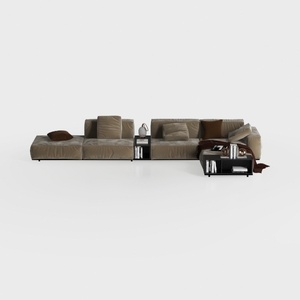

Minimalist Velvet Modular Sectional Sofa with Side Tables 3D Model
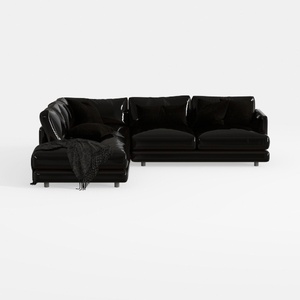
Modern Black Leather L-shaped Sectional Sofa 3D Model
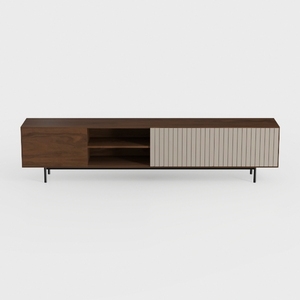
Modern Minimalist Walnut Cane TV Stand With Open Storage 3D Model
Homestyler is an easy-to-use online home design platform offering powerful 3D rendering tools, a vast collection of interior design projects, and helpful DIY video tutorials. It’s perfect for bringing your home decoration ideas to life with creativity and confidence.
Design Now for FREE
































