


As enthusiasm for the latest PlayStation Plus June 2026 games grows, many gaming enthusiasts seek to enhance their home entertainment spaces to match their evolving digital lifestyle. Creating a dedicated gaming nook with ergonomic seating and optimized lighting not only improves comfort but also complements the immersive experience these new titles offer. Thoughtful spatial planning can transform a typical room into a versatile hub for relaxation and entertainment.
Preparing your 3D models for sale involves more than just ensuring clean geometry. Success on digital marketplaces hinges on optimized topology, correctly labeled files, tidy UV layouts, clear preview images, and thorough documentation that enables buyers to integrate models smoothly and quickly. Tools like Homestyler can assist in visualizing how these assets fit into architectural or interior design projects, thereby increasing buyer interest.
It's a common misconception that poor sales stem from inferior modeling skill. Often, it's actually the care put into packaging, usability, and presentation that determines whether a model attracts buyers. When preparing your 3D assets, focusing on these factors is vital for commercial success.
Having collaborated with multiple visualization studios and asset creators over the past decade, I've observed that the primary difference between models that sell consistently and those that rarely get noticed is not necessarily the level of modeling expertise but the quality of preparation. This preparation involves paying attention to file structure, topology, and compatibility across software.
New creators often concentrate on adding too much detail initially. However, buyers prioritize clean topology, consistent scaling, optimized file sizes, and assets that can be dropped directly into their workflows without hassle. For example, integrating Homestyler with well-prepared models assists users in seamlessly incorporating assets into interior design mockups.
From evaluating asset libraries for game development, interior visualization, and product design, recurring mistakes are clear. This guide outlines professional workflows to convert raw 3D models into polished, marketplace-ready products.
Buyers on marketplaces like TurboSquid, CGTrader, and Sketchfab are primarily purchasing convenience and time savings rather than just geometry. They seek assets that function perfectly upon download without requiring further fixes to geometry or UVs. Offering models in multiple compatible formats broadens the appeal and utility for different types of projects.
Clean topology represents a quick and powerful indicator of professionalism to both marketplaces and buyers. Messy or overly dense geometry can cause pipelines to break, even if models render well initially. Many professional studios prefer models with optimized polygon counts allowing buyers to add subdivision if needed, improving adaptability for various use cases such as those designed in Homestyler environments.
Including multiple file formats like FBX, OBJ, and native files greatly expands the potential buyer pool. Game developers often require FBX or GLTF formats, while visualization specialists tend to prefer OBJ or software-specific formats. Providing these options reduces obstacles, encouraging immediate integration into buyers’ workflows.
In production pipelines, UV mapping and texture organization are critical. Poorly laid out UVs can cause texturing issues and complicate rendering processes. Following professional UV standards and maintaining a consistent, PBR-compliant texture naming structure help ensure that models plug and play seamlessly into modern rendering engines.
Preview images play a fundamental role in attracting buyers. Visually compelling renders that demonstrate the model within realistic settings significantly increase click-through rates. For instance, placing assets inside virtual interiors, such as created with Homestyler, helps buyers gauge scale and application, making listings stand out.
Small usability errors—like confusing file structures or missing documentation—can prevent good models from selling. Simple, clear packaging enables buyers to feel confident and fosters repeat purchases. Well-structured assets align with professional standards and expectations prevalent in marketplaces.
In summary, treat your 3D models like production-level assets rather than personal projects. Emphasizing clean topology, organized files, optimized meshes, and professional preview renders leads to significantly higher sales performance. Usability and presentation often outweigh raw modeling fidelity in influencing buyers.
FAQ: The most important step in preparing 3D models for sale is ensuring cleanliness, optimization, and proper scaling so they integrate instantly. Popular marketplaces include CGTrader, TurboSquid, Sketchfab, and Unreal Marketplace, each serving distinct industries.
Reducing polygon count is advisable since optimized models provide buyers flexibility, allowing subdivision as needed. Preview renders matter because strong visuals increase both clicks and buyer confidence. Models should generally be supplied in multiple formats such as native, FBX, and OBJ to maximize compatibility.
PBR textures are increasingly essential for compatibility with modern game engines and renderers. Beginners can successfully sell models online by starting with simpler assets before progressing to more complex designs. Texture maps often range from 2K to 4K resolution, with higher details reserved for specific asset needs.
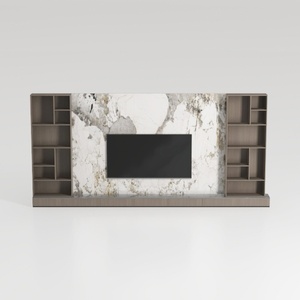
Modern Marble Solid Wood TV Wall Unit With Bookshelves 3D Model

Modern Olive Green Velvet Loveseat Sofa with Metal Legs 3D Model
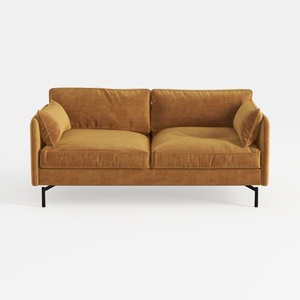
Modern Velvet Upholstered 2 Seater Sofa With Black Metal Legs 3D Model
Homestyler is a user-friendly online home design platform offering powerful 3D rendering tools, inspiring design projects, and helpful DIY video tutorials. It makes creating and visualizing your ideal space easy and fun, whether you're a beginner or an experienced designer.
Design Now for FREE
































