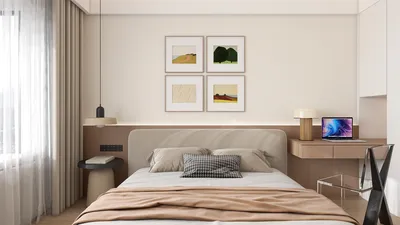


In today’s tech-savvy lifestyle, devices like the Oura Ring 5 are revolutionizing how we monitor our health and wellbeing right from home. Integrating such advanced wearables inspires new ways to design living spaces that promote relaxation and recovery. Thoughtfully arranged furniture and calming environments can complement the data-driven insights these gadgets provide, creating a harmonious blend of technology and comfort in your personal sanctuary. Using tools like Homestyler, you can visualize and plan these peaceful settings to maximize comfort and wellness.
Direct Answer
Decorating a dining room table for everyday use is most effective when you incorporate a single visual focal point, combine layered textures, and include practical items that you actually utilize. A carefully chosen tray, a minimalist centerpiece, natural materials, and balanced variations in height can give the table a styled appearance without making it look artificially arranged.
The essential principle is to form a small, focused composition rather than covering the entire table surface.
Quick Takeaways
Introduction
A frequently asked question from clients is surprisingly straightforward: how can one decorate a dining room table for daily use without creating the impression of a festive setup? After more than ten years of designing dining areas, I've observed that many people either leave the table completely bare or overload it with seasonal decorations.
The reality is that everyday dining table decor should feel effortless, functional, and visually harmonious. In numerous homes I've worked on throughout California, the most appealing dining tables follow simple design principles rather than complex styling norms.
This guide outlines ten simple methods to decorate a dining room table for daily life, featuring small design tips professionals often use that rarely appear in common decorating advice.
Why Do Most Dining Room Tables Appear Either Empty or Overdecorated
Key Insight: Most everyday table decorations fail because people treat the table solely as furniture or purely as decoration.
During client consultations, I usually encounter one of two extremes: the dining table is either entirely without decor or cluttered with seasonal items, candles, signs, and bulky centerpieces that hinder practical use.
Both extremes overlook the purpose of everyday styling. The table should appear lived-in yet thoughtfully curated.
Common mistakes I frequently notice:
Interior designers often apply a concept borrowed from retail display: every surface requires a focal point, adequate breathing space, and varying heights.
How a Simple Tray Can Instantly Style a Dining Table
Key Insight: A tray functions as a visual organizer, transforming disparate objects into a unified centerpiece.
This is among the quickest techniques I utilize in model homes and client projects. Instead of placing items directly on the table, everything is grouped inside a tray.
The tray accomplishes three essential tasks:
Best tray choices for everyday table decor:
In several recent projects, merely placing a wooden tray with a candle and a small vase immediately resolved the problem of an "empty table."
What Should Occupy the Center of a Dining Table
Key Insight: The most effective everyday centerpiece features three items of varying heights.
Designers often apply the "visual triangle" rule. Height variation naturally guides the viewer’s eye through the arrangement.
A reliable formula for everyday centerpieces:
Examples of good centerpiece groupings:
This technique succeeds because it balances scale while maintaining simplicity.
Can Natural Elements Enhance Everyday Table Decor?
Key Insight: Incorporating natural materials immediately makes dining tables feel more inviting and less staged.
I've observed in numerous projects that tables feel considerably warmer when organic elements are included.
Popular natural materials used in everyday table styling:
Even in restaurants, research on hospitality design confirms that natural materials enhance perceived comfort and warmth in dining areas.
How Much Decor Should Remain on the Table Daily
Key Insight: The most effective everyday dining tables maintain at least half of their surface free of decorations.
This may seem counterintuitive, but negative space is among the most vital styling elements in interior design.
A useful guideline:
Comparing different table sizes:
Leaving space open keeps the table practical for everyday dining.
Answer Box
The simplest way to style a dining room table for daily use is by creating a small centerpiece grouping using a tray, a decorative plant or vase, and one or two accent pieces. Keep the ensemble compact, preserving ample open table area.
Should Table Runners Be Used on Everyday Dining Tables?
Key Insight: Table runners can visually anchor decor but are most effective on larger tables.
In my experience, runners work best when the table appears visually "too long," providing a pathway for decor without covering the whole surface.
Ideal situations to use table runners:
When it is better to avoid them:
What Designers Do Differently When Styling Everyday Dining Tables
Key Insight: Designers emphasize mobility and usability over purely decorative tasks.
A lesser-known technique among stylists is to create centerpieces that are easy to move within seconds. If decor is cumbersome to shift, homeowners often remove it altogether.
Common professional styling practices:
Interestingly, model homes seldom use elaborate centerpieces. Most display just a plant, a candle, and a neutral decorative item.
Final Summary
FAQ
How do you decorate a dining room table for everyday use?
Utilize a small centerpiece such as a tray, plant, and candle, keeping the setup compact to maintain functionality for meals.
What is the best centerpiece for a dining room table?
Simple centerpieces work best. A vase with greenery, a fruit bowl, or a small plant adds interest without overwhelming the table.
Should a dining table always have a centerpiece?
Not necessarily. Small tables often look better with a single decorative object or nothing at all if the room already has strong visual elements.
What size centerpiece works for everyday dining tables?
The centerpiece should occupy less than one third of the table width to leave enough space for plates and serving ware.
Can I decorate a dining room table without flowers?
Absolutely. Bowls, candles, books, trays, and decorative objects are excellent alternatives for everyday dining table styling.
How do designers decorate dining room tables?
Designers typically opt for small groups of objects with varied heights, ensuring the arrangement is easy to move during meals.
Are table runners suitable for everyday dining tables?
They are beneficial on longer tables because they visually anchor centerpieces and add texture to the surface.
What elevates everyday dining table decor to look more luxurious?
Consistency in material choices, balanced spacing, and natural textures like wood, stone, and greenery contribute to a refined appearance.

Minimalist Solid Oak Fabric Upholstered Dining Chair 3D Model


Minimalist Solid Oak Tooth Shaped Side Table 3D Model

Minimalist Oak Fabric Dining Armchair 3D Model
Homestyler offers an easy-to-use online home design tool with stunning 3D renderings, inspiring design projects, and helpful DIY video tutorials. It’s perfect for anyone looking to create and visualize beautiful interior spaces with confidence and creativity.
Desain sekarang Gratis
































