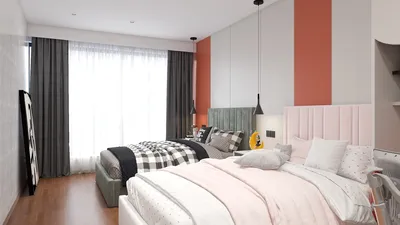


As enthusiasm for the latest PlayStation Plus June 2026 games grows, many gaming enthusiasts seek to enhance their home entertainment spaces to match their evolving digital lifestyle. Creating a dedicated gaming nook with ergonomic seating and optimized lighting not only improves comfort but also complements the immersive experience these new titles offer. Thoughtful spatial planning can transform a typical room into a versatile hub for relaxation and entertainment.
Direct Answer
To create a 3D house painting, begin with basic block shapes, set the correct perspective, define the main architectural volumes, and then apply materials, lighting, and shading. The critical step is to establish the fundamental form first before layering on the intricate visual details, ensuring the house feels structurally sound and believable.
Many novices falter because they immediately dive into textures and colors before properly defining the geometry. Professional approaches always prioritize the underlying structure first.
Quick Takeaways
Introduction
Clients often assume modeling a house in 3D painting is a highly technical and complicated process. However, with over ten years of experience in residential visualization and presentation, I've found that the essential workflow is remarkably straightforward. The main distinction between beginners and advanced artists lies largely in their approach to structure and lighting.
Amateurs tend to decorate prematurely whereas professionals focus on building the form initially.
If a house's basic shape is accurate in perspective, subsequent elements like shadows and materials naturally fall into place, resulting in an authentic scene. This guide outlines the simplified workflow I recommend to junior designers and visualization artists.
Why Begin With Simple 3D Shapes Instead of Detailed Features
Core Insight: Every convincing house painting starts as a composition of elementary geometric blocks.
In the early phases of architectural visualization, drawing intricate features such as windows or roof shingles is avoided. Instead, the focus is on constructing the volumes. Typically, a house can be represented using a few basic forms.
This method helps preserve correct proportions, preventing distortions such as awkward roof slopes or misplaced windows.
Many architectural visualization studios adopt this block-modeling technique because it ensures accurate perspective before decorative elements add complexity to the image.
How to Set Up Perspective for 3D House Painting
Primary Insight: Perspective lines are more crucial to realism than textures or colors.
Achieving a credible 3D house requires accurate perspective, commonly either two-point or three-point perspectives for exterior views.
A frequent problem I observe in student portfolios is mixing perspective systems—for instance, walls align with two-point perspective but roof edges don’t properly converge, which even non-experts subconsciously detect.
What Constitutes the Essential Elements of a Realistic 3D House
Vital Insight: Realistic house paintings emphasize structural hierarchy above surface details.
After creating the basic model, attention should turn to architectural hierarchy by adding elements in a logical sequence, which reduces errors in proportions. Professionals often zoom out regularly to confirm that major forms remain clear.
Some top-tier concept artists intentionally postpone small decorative details until the lighting is completed to maintain image clarity and flexibility.
How Lighting Generates Depth and Realism
Crucial Insight: Lighting transforms flat drawings into believable 3D houses almost instantly.
Even flawless perspective can appear flat without well-defined lighting direction. Often, exterior architectural renders follow a simple lighting principle. In scenes I supervise, grayscale evaluations help ensure the composition already suggests depth before colors are introduced.
Common Errors Made by Beginners in 3D House Modeling
Main Insight: Most issues arise from skipping structural steps and overloading details too soon.
Typical mistakes include improper roof geometry, which is among the first aspects architects notice in visualization drafts.
Can Simple Software Create Professional-Looking 3D House Paintings
Fundamental Insight: Artistic skill outweighs software complexity when creating 3D house paintings.
Many beginners mistakenly believe very advanced software is necessary, but talented artists can produce convincing architectural imagery using relatively straightforward tools.
Common tools include SketchUp, Blender, Photoshop, and Procreate—choices depend on whether one prefers modeling or painting workflows.
Often, the base structure is built in simple modeling software and then enhanced with painting techniques, such as those available in Homestyler, which helps visualize spatial layouts intuitively.
Answer Box
The most effective method to model a house in 3D painting involves constructing simple geometric volumes first, setting precise perspective, followed by applying lighting before any textures. Prioritizing structure before decoration consistently yields more convincing architectural images.
Final Summary
FAQ
Is 3D modeling necessary for 3D house painting?
Not always. Many artists paint using perspective guidelines directly, though quick 3D blocking can enhance precision.
Which software is best suited for modeling a house in 3D painting?
Popular options include SketchUp, Blender, Photoshop, and Procreate, depending on the preferred workflow between modeling or painting.
How long does it take to produce a realistic house painting?
A basic architectural concept image typically requires 2 to 6 hours, depending on complexity and rendering detail.
Do beginners need to master perspective before starting?
Absolutely. Understanding two-point perspective greatly boosts the realism of house drawings.
Can artificial intelligence assist in generating house concepts?
Yes. Designers now frequently utilize AI to explore exterior ideas before manual refinement.
Why do some house paintings appear flat?
This usually results from unclear lighting direction or insufficient contrast in tonal values.
What is the most challenging part of modeling a house in 3D painting?
Ensuring consistent perspective across all components like roofs, windows, and extensions.
Should textures be applied early in the process?
No. In professional workflows, textures are added after the main forms and lighting are properly established.
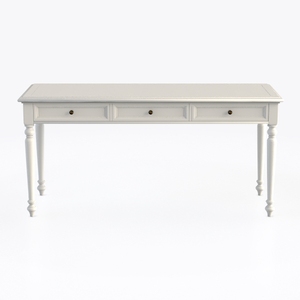
Classic White Solid Wood Three Drawer Writing Desk 3D Model
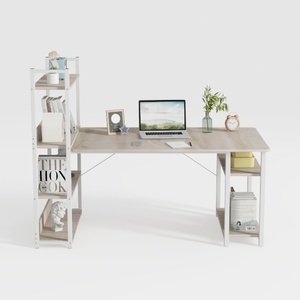
Modern Minimalist Oak Metal Computer Desk With Storage Shelves 3D Model

Modern Minimalist White Plastic Kids Storage Cabinet 3D Model
Homestyler offers an easy-to-use online design tool combined with stunning 3D renderings and plenty of interior design projects. Its helpful DIY video tutorials make it simple and fun to create your perfect home style, whether you’re a beginner or a pro.
تصميم الآن مجانا
































