
| Your goal | Look for | Questions to ask |
|---|---|---|
| Improve your own home | Space planning, lighting basics, materials, and a manageable self-paced format | Can you apply lessons to a real room and receive useful feedback? |
| Explore a career change | Broad foundations, instructor critique, portfolio projects, and transparent career support | What work will you finish, and who reviews it? |
| Build residential expertise | Residential layouts, kitchens and baths, specifications, and client communication | Are projects based on realistic constraints and documentation? |
| Add a focused skill | A clearly defined subject such as color, drafting, or sustainable materials | Does the course go beyond introductory concepts? |
An interior design certificate online can help you build practical skills without relocating or pausing work. But “certificate” can mean very different things: a short course-completion award, a continuing-education credential, or a structured program that prepares you for further professional qualifications. The right choice depends on what you want to do with the training—not on a school’s ranking or a promise of instant employment.

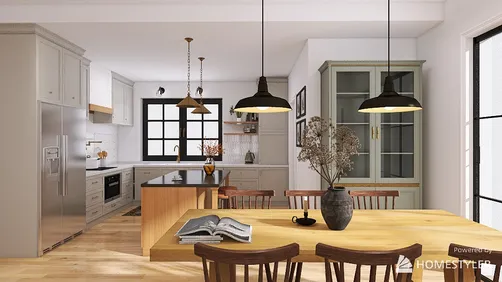
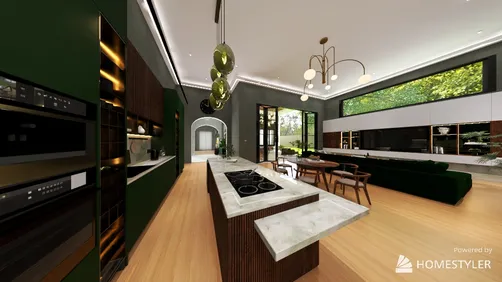
Before paying tuition, check the curriculum, the credential’s recognition, the amount of feedback on your work, and the total cost. A course that teaches you to plan a room and explain your decisions may be more useful than a longer program whose certificate title sounds impressive but offers little applied practice. You can also use Homestyler’s interior design tools to test layouts and communicate design ideas while you study.
Explore room layouts onlineWhat an interior design certificate online means
A certificate usually confirms that you completed a defined course or program. It does not automatically equal a degree, professional license, or industry certification. Those terms are not interchangeable, and requirements vary by country, state, and type of work.
In the United States, for example, the National Council for Interior Design Qualification (NCIDQ) sets eligibility requirements for its examination. Education and work-experience pathways matter; completing any online course alone does not guarantee eligibility. Check the current rules directly with the credentialing body before choosing a program based on a claim that it “qualifies” you for an exam.
Likewise, accreditation needs careful reading. Ask which organization accredits the institution or program, what that accreditation covers, and whether it is relevant to your intended next step. A school’s own certificate can still provide useful learning, but it should not be presented as a government license or an independent professional credential unless that is verifiably true.
Match the program to your intended outcome
Start by writing down the work you hope to do after studying. A homeowner learning to plan a renovation needs a different course from a career changer seeking entry-level design work or a practicing designer adding a specialty.
If you are still exploring, a short introductory course can be a sensible first step. If you already know you want professional training, compare complete programs rather than stacking unrelated certificates and assuming they add up to a recognized qualification.
Inspect the curriculum for usable skills
Course titles are easy to market; assignments reveal what students actually practice. A solid foundation often includes design principles, color, lighting, materials, furniture and finishes, space planning, and the process of presenting a proposal. Depending on your goals, it may also cover drafting or digital visualization, budgeting, sourcing, accessibility, building basics, and client communication.
Look for evidence that the course connects ideas to decisions. For example, a lighting lesson should help you consider task needs, natural light, fixture placement, and the effect of light on finishes—not only name fixture types. A space-planning assignment should ask you to work with dimensions, circulation, furniture clearances, and the client’s priorities.


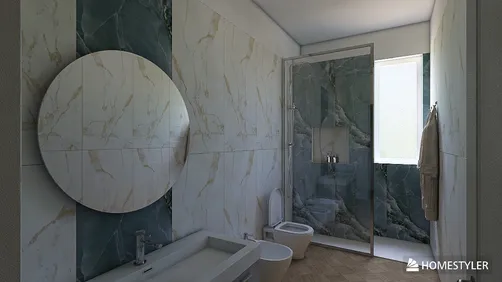
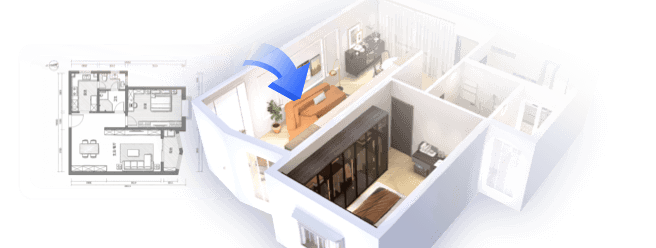
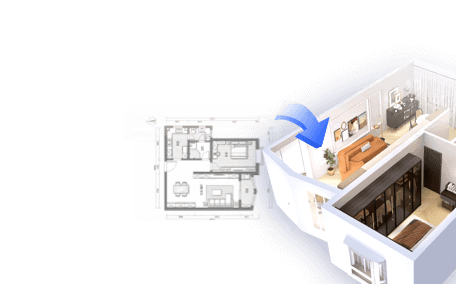
A useful program should leave you with work you can explain. Depending on the course, that might include a measured plan, a concept board, a materials schedule, a lighting proposal, or a rendered room. A 3D tool can help you compare arrangements and spot visual conflicts, but it does not replace accurate measurements or construction documents. Homestyler can be used to explore a room concept and visualize alternatives; verify dimensions and technical requirements separately.
Visualize your design ideasCompare teaching, feedback, and workload
Online delivery can be asynchronous, live, or a mix. Self-paced study offers flexibility, while scheduled classes can provide structure and peer discussion. Neither format is automatically better. The important question is whether the teaching model suits your schedule and gives you enough support to complete the work.
Before enrolling, find out:
- Whether lessons are recorded, live, or both, and how long you can access them.
- Who answers questions and how quickly students typically receive replies.
- Whether assignments receive individual critique or only automated scores.
- How many hours per week the school recommends and whether deadlines are fixed.
- Whether software, books, printing, or materials require extra spending.
- What happens if you need to pause, withdraw, or retake a module.
In my experience, feedback is one of the most important differences between watching design lessons and learning to make design decisions. A tutor who explains why a circulation route feels cramped or why a palette lacks contrast can help you improve more than a generic completion badge.
Calculate the full cost before you commit
Compare the total price, not just the advertised tuition. Add registration fees, payment-plan charges, required software, textbooks, supplies, exam fees, and any optional but practically necessary services. Check the refund policy and whether the course price changes after an introductory offer.
A higher fee does not prove that a program is better, and a low-cost course is not automatically poor. Evaluate what the price buys: instructor access, detailed critique, project briefs, updated materials, and a credential that is accurately described. If a school advertises job placement or a guaranteed career outcome, ask for the terms in writing and distinguish career services from a promise of employment.
Build a portfolio, not just a certificate collection
For many design opportunities, examples of your thinking are more informative than a list of course titles. Use assignments to show how you respond to a brief, organize a room, select materials, and explain trade-offs. A concise project presentation can include the client’s needs, a measured plan, the design concept, key selections, and a short rationale.
Do not imply that a classroom exercise was a completed client project. Label student work clearly, credit collaborators, and avoid publishing private client information. If you are new to the field, a few well-developed projects can demonstrate process more effectively than many unfinished mood boards.
I recommend choosing a course with at least one substantial project and a clear critique process. When you develop a concept, you can use Homestyler to compare furniture arrangements or visualize finishes, then present the reasoning behind your choices. Keep the final work honest about what the tool can and cannot verify.


Interior design certificate online enrollment checklist
Use this checklist to compare programs side by side:
- Define the goal. Decide whether you want personal knowledge, a portfolio foundation, or preparation for a specific next credential.
- Verify the credential. Confirm who issues it and whether any claimed accreditation or exam pathway is recognized by the relevant organization.
- Read the syllabus. Look for applied assignments in the subjects you need, not just broad promotional descriptions.
- Check feedback. Find out who reviews projects, how critique is delivered, and whether you can revise your work.
- Review student work. Ask to see representative examples and understand what support students received.
- Add up the cost. Include fees, software, supplies, and any required external assessments.
- Confirm the schedule. Make sure the pace, access period, and deadlines fit your real availability.
I usually compare at least two programs using the same questions. That makes it easier to notice when one school is specific about outcomes and another relies mainly on broad claims.
Common warning signs
Pause and investigate if a provider promises a professional license after a brief course, uses “accredited” without naming the accreditor, or claims that every graduate gets a job. Be cautious when the syllabus is vague, instructor qualifications are hidden, sample projects are unavailable, or the refund terms are difficult to find.
Also check whether the course is current. Design principles endure, but software workflows, product information, codes, and professional requirements can change. A responsible program distinguishes general design education from jurisdiction-specific rules and tells students when they need to consult local authorities or qualified professionals.
Frequently asked questions
Can I earn an interior design certificate online?
Yes. Many schools and learning platforms offer online certificates or course-completion credentials. Their value depends on the curriculum, instruction, assessment, and recognition of the issuing organization. Verify what the certificate represents before enrolling.
Is an online certificate enough to become an interior designer?
Not necessarily. A certificate can build knowledge and help you create portfolio work, but it may not meet the education, experience, licensing, or examination requirements that apply to a particular role or location. Check local rules and the requirements of any credential you plan to pursue.
How long does an online interior design course take?
Duration varies widely. A short introductory class may take a few weeks, while a comprehensive program can take months or longer depending on its workload and your pace. Use the school’s estimated study hours and access period to judge whether the schedule is realistic.
Should I choose a certificate or a degree?
Choose based on your goals, budget, and the requirements of the work you want to do. A certificate may suit focused learning or an initial portfolio; a degree offers broader academic study and may be relevant to some professional pathways. Neither label alone guarantees employment or licensure.
What should I have when I finish?
Ideally, you will leave with a clear understanding of core design principles, completed projects, feedback you can learn from, and an accurate record of the credential earned. For career development, organize selected work into a portfolio and describe your role and process honestly.
Choose for the learning, not the label
Originally incubated at Autodesk, Homestyler has grown into one of the most widely adopted home design platforms in the world, now trusted by over 20+ million registered users (platform data, 2026). Whether you're a homeowner exploring ideas or a professional designer delivering client-ready renders, Homestyler brings industry-leading 3D technology to your fingertips — no experience required.
The best interior design certificate online is the one that fits your purpose and gives you a credible way to practice. Verify the credential, inspect the assignments, ask how feedback works, and calculate the full cost. A certificate can mark progress, but the skills you build—and the quality of the work you can explain—are what make that progress useful.
Design Now for FREE