

Direct Answer
The cost to establish an interior design office generally varies from around $5,000 for a compact home setup to upwards of $60,000 for a fully equipped professional studio. Primary expenses often encompass the workspace arrangement, furniture, high-performance rendering hardware, essential design software, and presentation tools. By strategically planning and adopting a phased investment approach, it’s feasible to minimize initial costs without compromising on professionalism.
Quick Takeaways
Introduction
When designers inquire about the actual cost of setting up an interior design office, they often anticipate a straightforward figure. However, the answer heavily depends on how the studio will function and operate daily.
Having worked with both boutique studios and large design firms for over ten years, I’ve observed a common trend: many new studios underestimate technology expenses while overvaluing furniture costs. This imbalance frequently leads to aesthetically pleasing offices that suffer from slow rendering, insufficient storage, or inefficient workflows.
Prior to finalizing office leases or furniture acquisitions, it’s advantageous to outline the office layout and workflow. I often suggest exploring various workspace configurations using platforms like Homestyler, which enable designers to visualize and optimize studio layouts before investing in furniture. This proactive step helps avoid costly spatial errors.
In this article, I will detail the main cost components, highlight frequent budgeting pitfalls, and explain how professional studios strategically allocate resources when launching a new office.
Major Cost Categories in an Interior Design Office Setup
Insight: Interior design studio budgets generally fall into five key areas, with technology usually representing the largest long-term expenditure.
When forecasting a design studio’s expenses, I categorize costs into five fundamental sections. This classification simplifies the estimation of the actual financial commitment required to establish a design office.
Professional bodies like the American Society of Interior Designers emphasize the growing importance of technology infrastructure as a critical operational investment for contemporary studios.
A typical budget distribution might look like this:
This allocation surprises many new designers who assume that furniture will account for the majority of costs.
Furniture, Technology, and Software Budget Planning
Insight: Prioritizing rendering capabilities and workflow efficiency should come before splurging on luxurious furniture in a professional design studio.
One of the most common hidden mistakes involves investing heavily in designer desks or decorative elements while neglecting to equip studios with adequate computing power. In reality, lagging rendering speeds can consume dozens of hours per project, affecting overall productivity.
An effective equipment budget generally includes:
Superior visualization quality is essential for clinching client approvals. Many studios now implement advanced rendering pipelines, enabling teams to produce photorealistic interior views for presentations prior to construction commencement.
From personal experience, early investments in visualization software and hardware tend to yield quicker returns compared to spending on upscale office furnishings.
Cost Differences Between Small and Large Studios
Insight: The scale of the studio significantly impacts startup costs, but operational efficiency and layout often weigh more than physical space size.
Numerous startups believe that occupying a larger office space automatically boosts credibility. However, many thriving studios operate within modest, meticulously planned environments.
Typical startup cost ranges include:
Factors influencing cost variations extend beyond size and include:
Saving Money Without Sacrificing Professional Quality
Insight: Investing strategically in workflow optimization tools enables cost reductions without diminishing client service quality.
Over time, I’ve identified several cost-efficient approaches regularly employed by established studios.
Effective measures to curtail initial expenses encompass:
Another highly effective tactic is utilizing digital layout planning tools—like Homestyler—that allow teams to experiment with different office and furniture arrangements before any purchases or construction, preventing costly reconfigurations.
Planning for Future Expansion and Equipment Upgrades
Insight: Smart budgeting always includes scheduled technology refresh cycles every 3 to 4 years.
Design software and rendering platforms evolve rapidly, meaning studios that start with minimal equipment risk facing productivity bottlenecks in just a few years.
I typically suggest budgeting for:
This foresight prevents scenarios where a studio suddenly needs to overhaul its entire tech stack at once as it grows.
Sample Budget Breakdown for a Design Office
Insight: A well-rounded interior design studio budget balances investments among workspace setup, technology, and client presentation capabilities.
Below is a simplified example budget for a small, professional design studio startup:
The total estimated startup cost is approximately $35,000.
Answer Box
Setting up an interior design office usually costs between $5,000 and $60,000, influenced by factors such as studio size, investment in technology, and office location. Successful studios generally prioritize top-tier rendering hardware, streamlined workflows, and adaptable spaces over pricey furniture.
Final Summary
FAQ
How much does it typically cost to establish an interior design office?
Starting a small interior design office can range from $5,000 to $15,000, while more comprehensive studios with staff might spend between $20,000 and $60,000 or more.
What is the largest expense when initiating a design studio?
The major investments usually lie in technology hardware and workspace setup, particularly high-performance computers capable of handling 3D rendering tasks.
Is it feasible to begin an interior design studio from a home setting?
Absolutely. Many designers commence their practice from home studios and transition to professional offices as their client base expands.
What essential equipment should an interior design office include?
Necessary items include powerful computers, large display monitors, specialized design software, organized sample storage, and dedicated client presentation areas.
How can I reduce my interior design office setup costs?
Opt for modular furniture, invest prudently in rendering hardware, and utilize digital layout planning tools such as Homestyler before making equipment purchases.
Do interior design offices require a dedicated meeting room?
Not always. Smaller studios often make use of flexible meeting zones or shared coworking spaces to hold client discussions.
How frequently should studio computers be upgraded?
Standard practice involves upgrading or replacing workstations every 3 to 4 years to keep up with the demands of current rendering software.
What software categories do interior designers typically budget for?
Budgets usually cover CAD applications, rendering programs, collaboration platforms, and cloud storage solutions.
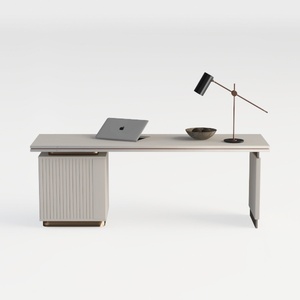
Modern Minimalist Solid Wood Office Desk With Gold Accents 3D Model
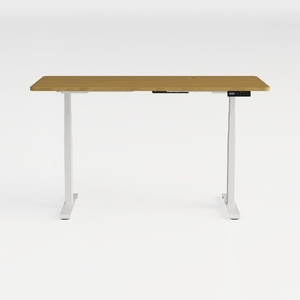
Modern Minimalist Solid Wood Adjustable Standing Desk 3D Model

Minimalist Solid Wood Marble Contemporary Office Desk 3D Model
Homestyler offers an easy-to-use online design tool with stunning 3D renderings, a vast collection of interior design projects, and helpful DIY video tutorials—perfect for bringing your home design ideas to life effortlessly.
تصميم الآن مجانا
































