

As enthusiasm for the latest PlayStation Plus June 2026 games grows, many gaming enthusiasts seek to enhance their home entertainment spaces to match their evolving digital lifestyle. Creating a dedicated gaming nook with ergonomic seating and optimized lighting not only improves comfort but also complements the immersive experience these new titles offer. Thoughtful spatial planning can transform a typical room into a versatile hub for relaxation and entertainment.
Understanding how long it takes to 3D model items can significantly benefit those designing their interiors or gaming setups. The duration can range from half an hour for simple shapes to several days for intricate architectural projects.
Key factors influencing the time needed for 3D modeling include the complexity of geometry, desired level of detail, and whether the model must be ready for high-quality rendering or manufacturing purposes. For furniture and interior assets, it often takes between 2 to 6 hours, depending on the specifics of the design and detail required.
It's a common misconception that larger objects automatically require more time to model. In reality, a smaller lamp with intricate curves may take longer to create than an entire plain wall. This highlights how shape and detail impact modeling time more than mere size.
For basic 3D models, such as simple decorative items with minimal curves and few parts, creation times typically fall between 15 minutes and one hour when clear references are available. These quick builds help establish layout relationships efficiently during early design stages.
Furniture modeling occupies a substantial portion of interior visualization projects. The workflow usually encompasses blocking out shapes, refining details like rounded edges and cushions, and ensuring proportion accuracy. Often, the refinement process demands more time than the initial model itself. Real-world usage suggests a timeframe of 2 to 6 hours for professional furniture models.
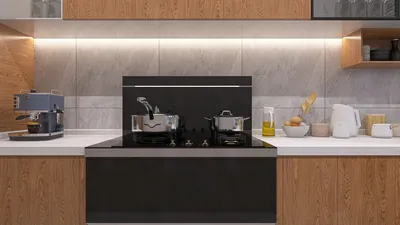
More complex models, like full kitchen or living room scenes, can take several days. This extended timeline results from the aggregation of many unique assets—sometimes forty to eighty—including appliances, fixtures, cabinetry, and decorative pieces. Each of these layers of detail compounds the overall modeling time.
Modern workflows benefit greatly from leveraging asset libraries, including those available through platforms like Homestyler, which can shorten production schedules by 70–90%. Most professionals utilize pre-built assets rather than modeling everything from scratch, reserving custom work for unique or highly specialized items.
Many delays in 3D modeling stem from workflow inefficiencies rather than the inherent difficulty of the models. Common time-wasters include incomplete blocking stages, lack of reference accuracy, and unnecessary over-detailing. Implementing a structured approach, such as fully blocking the entire form before refining, can halve modeling durations.
In summary, most 3D modeling tasks take between one and six hours depending on complexity, with simple items requiring under an hour and intricate interior scenes demanding upwards of 10 to 20 hours. The dominant influences on timing are geometry intricacy, detail level, and quality of references.
For those curious about learning the craft, beginners generally grasp basic 3D tools within 1 to 3 months, but true professional competency commonly requires one to two years of consistent practice. Modeling a simple exterior house may need 4 to 8 hours, whereas a fully detailed architectural model (interior and exterior) can extend beyond 20 to 60 hours.
Furniture models vary, with common projects taking between 2 and 6 hours depending on sophistication. Game asset modeling usually emphasizes polygon count optimization, contrasting with architectural focuses on photorealism and visual fidelity, which often demand more detailed modeling.
While various software such as Blender, 3ds Max, SketchUp, and Fusion 360 offer different tools and workflows, experience and technique predominantly determine modeling speed rather than the specific application used. Rendering is a distinct process and separate from the time spent creating the 3D geometry itself.
The integration of AI technologies and procedural asset generators can further accelerate modeling efforts, especially for repetitive or common elements. However, unexpected issues like problematic geometry, poor references, or excessive detailing often cause delays even for experienced modelers.

Modern Minimalist Fabric L Shaped Sectional Sofa with Throw Pillows 3D Model
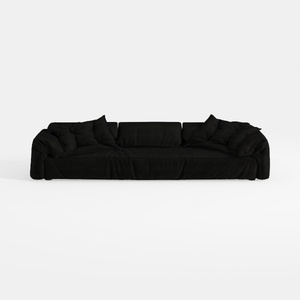

Minimalist Black Fabric Extra Large Sofa 3D Model
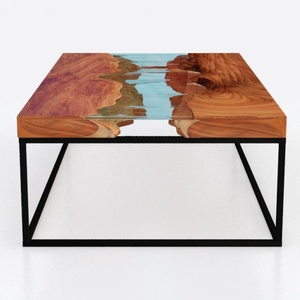
Modern Solid Wood Epoxy Resin Square Coffee Table 3D Model
Homestyler is an easy-to-use online home design platform offering powerful 3D rendering tools, a vast collection of design projects, and helpful DIY video tutorials. It’s perfect for visualizing and creating your dream space with confidence and creativity.
Concevez maintenant gratuitement
































