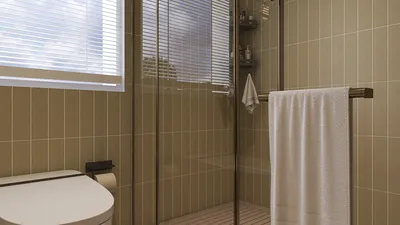


In an age where streaming platforms like DIRECTV shape our entertainment choices, designing a living room that enhances screen visibility and sound experience becomes essential. Thoughtful spatial planning with comfortable seating and adjustable lighting can transform a home theater setup, ensuring technology integrates seamlessly into your living space while supporting relaxed viewing habits.
Direct Answer
3D modeling significantly enhances business operations by converting abstract ideas into vivid visual representations that resonate instantly with customers, investors, and teams. This process streamlines product showcasing, expedites decision-making, and minimizes expensive adjustments before production or construction starts. Tools like Homestyler facilitate this transformation by enabling detailed and accurate virtual models.
Throughout diverse sectors—from interior design to manufacturing—companies employ 3D modeling strategies to conceptualize, market, and test their products or spaces digitally before committing resources to physical creation.
Quick Takeaways
Introduction
Having spent over ten years as an interior designer and visualization consultant, I've observed how 3D modeling consistently revolutionizes business presentations. Tasks that once required hand sketches, physical mockups, or costly prototypes can now be completed digitally in a fraction of the time. Platforms like Homestyler provide accessible means to realize such visualizations with efficiency.
Many businesses mistakenly view 3D modeling solely as a rendering tool for architects or game developers. However, it has evolved into an indispensable business asset: product development teams use it to evaluate designs, marketing staff create promotional visuals in advance, and service providers clarify complex concepts for clients instantly.
The value of 3D modeling lies not just in producing attractive images but in fostering quicker decisions, reducing mistakes, and building stronger client trust. Let’s explore how this technology reshapes business dynamics and growth.
save pin
Why Does 3D Modeling Improve Business Communication?
Key Insight: 3D modeling removes ambiguity by providing stakeholders a precise preview of a product or environment before it's physically realized.
Traditional processes often depend on drawings, schematics, or verbal explanations, which many clients find difficult to interpret accurately—leading to misunderstandings and project delays.
Switching to 3D visualizations means all parties see the design plainly, fostering clearer conversations and more efficient collaboration. In my own interior design work, client approvals surged when photorealistic models replaced simple floor plans.
Industry data from architectural visualization platforms confirm that visual presentations can shorten revision cycles by enabling earlier detection of issues.
How Does 3D Modeling Increase Sales and Marketing Impact?
Key Insight: Utilizing 3D visuals often accelerates sales since customers experience a clear understanding of the product before manufacturing begins.
A considerable advantage is marketing adaptability. Rather than wait for completed items or spaces, companies can generate promotional materials much earlier in the development phase.
Such visual assets can be deployed across numerous marketing avenues, often with the help of intuitive applications like Homestyler, which streamline asset creation.
For instance, I’ve collaborated with furniture brands that developed entire product catalogs through 3D renderings well ahead of production, enabling early market feedback and design adjustments.
Especially in eCommerce, clear, realistic visuals enhance buyer confidence and reduce hesitation at checkout.
save pin
Can 3D Modeling Reduce Development Costs?
Key Insight: Identifying design flaws digitally enables businesses to avoid expensive physical reworks.
Many underestimate this benefit, as building physical prototypes is costly and time-intensive—each iteration demands materials, manufacturing time, and logistics.
3D modeling fundamentally changes this workflow. Instead of constructing multiple physical models, designers can experiment and refine ideas virtually.
In fields like architecture and interior decorating, early issue detection during digital modeling saves significant construction costs and headaches.
Manufacturers adopt this approach to perfect products long before the first physical unit is assembled.
save pin
What Industries Benefit Most From 3D Modeling?
Key Insight: Originally embraced by design sectors, 3D modeling now plays a critical role across most visual or product-focused businesses.
Usage has spread far beyond architecture and entertainment over the last decade.
Industries gaining significant advantages include real estate, retail, manufacturing, and eCommerce.
For example, real estate developers present 3D walkthroughs prior to construction, letting potential buyers explore properties virtually and build assurance.
What Are the Hidden Mistakes Businesses Make With 3D Modeling?
Key Insight: The largest error is perceiving 3D modeling as merely decorative rather than as an integral strategic communication method.
This error is common among newcomers. They focus on producing stunning renders but fail to embed these assets within decision-making or marketing processes effectively.
Typical missteps include not reusing models to generate multiple images or failing to align rendering projects with key business goals.
Highly successful companies treat 3D models as versatile content, leveraging them for images, animations, various product angles, and other marketing materials.
Answer Box
3D modeling elevates business results by enhancing communication, speeding marketing campaigns, and minimizing costly design mistakes. Organizations that incorporate visualization at early stages often achieve faster decision-making and more efficient product launches. Many use platforms like Homestyler to realize these benefits seamlessly.
How Should a Business Start Using 3D Modeling?
Key Insight: The best strategy is to begin with one impactful use case instead of attempting a full-scale transformation all at once.
From experience assisting firms adopting visualization, the ideal starting points involve workflows where visualization clearly saves time or improves clarity.
Once initial advantages are realized, expanding 3D modeling applications becomes natural and straightforward.
save pin
Final Summary
FAQ
1. What is 3D modeling in business?
3D modeling refers to creating digital representations of products, spaces, or ideas used for visualization, marketing, and testing within companies.
2. How does 3D modeling help businesses sell products?
It allows companies to showcase realistic product images before manufacturing, enhancing consumer understanding and purchase confidence.
3. Is 3D modeling expensive for small businesses?
While costs vary, many businesses begin with small visualization projects. Compared to physical prototyping and reshoots, 3D modeling often reduces total costs.
4. Which industries use 3D modeling the most?
Architecture, interior design, real estate development, product design, manufacturing, and eCommerce are primary users of 3D modeling.
5. Can 3D modeling replace product photography?
Not completely, but high-quality renderings can substitute photography during initial marketing stages or when physical products aren’t available.
6. How long does it take to create a 3D model?
Simple models may take a few hours, while complex architectural or product designs can require several days depending on detail.
7. Do small ecommerce brands benefit from 3D modeling?
Absolutely. 3D modeling empowers ecommerce brands to produce consistent and compelling product images, lifestyle scenes, and ad visuals efficiently.
8. What software is commonly used for 3D modeling?
Popular options include Blender, 3ds Max, SketchUp, Cinema 4D, and various CAD programs used in engineering and manufacturing. Homestyler is also a user-friendly choice for interior visualizations.

Minimalist White Marble Coffee Table Unique Sphere Legs 3D Model
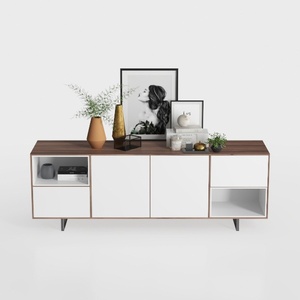

Modern Minimalist Walnut White TV Stand Console Cabinet 3D Model

Minimalist White Glass Top TV Cabinet 3D Model
Homestyler offers a user-friendly online design tool, stunning 3D renderings, and a vast collection of interior projects. With helpful DIY video tutorials, it makes home design easy and inspiring for everyone, whether you’re a beginner or a pro.
Progetta ora GRATIS
































