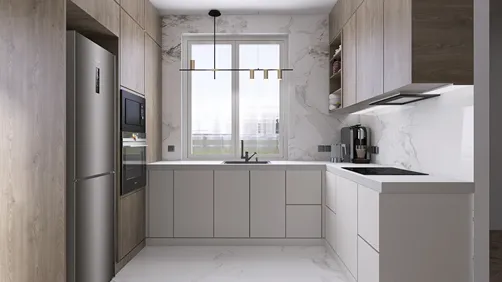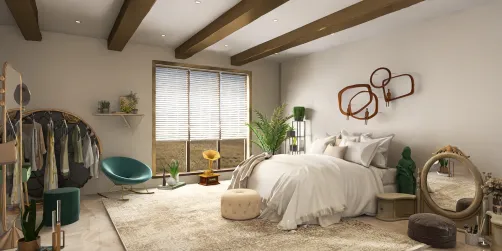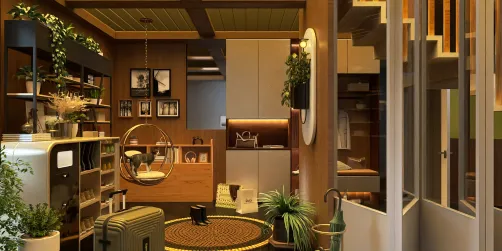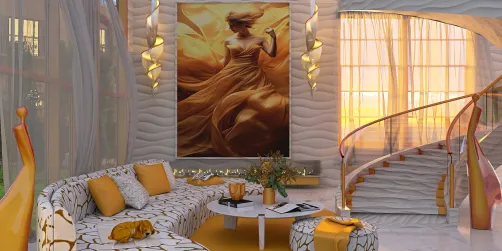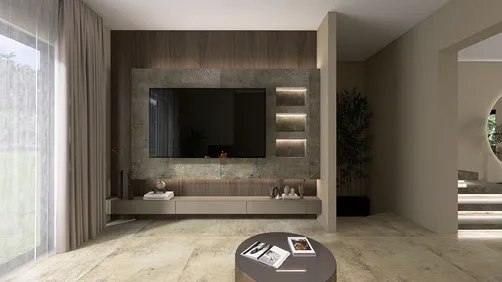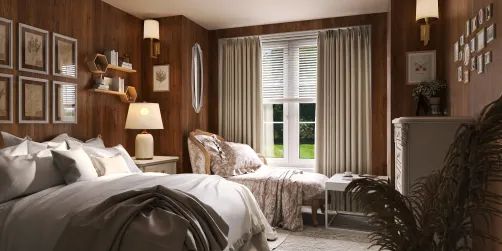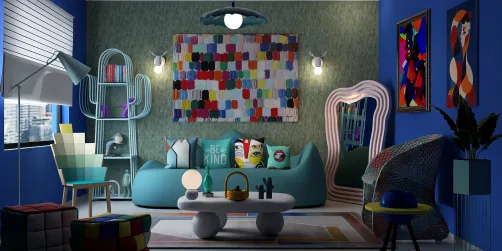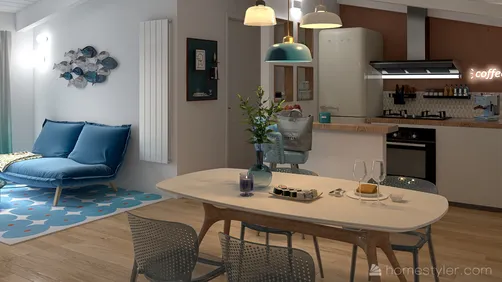

- For room-by-room design ideas: Look for makeover programs that explain color, lighting, furniture scale, and how a room serves its occupants. These are useful when the structure is sound but the space feels dated or awkward.
- For whole-home transformations: Renovation series can help you see how kitchens, bathrooms, circulation, and storage affect one another. Pay attention to the plan, not only the final finishes.
- For older homes: Restoration-focused shows reveal how original details, repairs, and modern needs can coexist. They can also remind viewers that hidden conditions may change a project’s scope.
- For small-space solutions: Apartment and compact-home programs often demonstrate built-ins, flexible furniture, and better use of vertical space. Check whether the featured solution would still work with your own doors, windows, and daily routines.
- For property and budget decisions: House-hunting or renovation-investment formats can prompt useful questions about location, maintenance, and trade-offs. Their numbers are specific to the people and market shown, not a forecast for your home.
Home improvement shows can make a renovation feel possible: a dated kitchen becomes brighter, a cramped room works harder, or a neglected house gains a new purpose. The best home improvement shows offer more than a reveal. They help viewers notice layout, materials, storage, and the decisions that shape a home. But television compresses weeks of work into an episode, so inspiration needs a reality check before it becomes a shopping list.

Home improvement shows to match your renovation goals
Different programs are useful for different reasons. Rather than searching for one universally “best” series, choose a format that answers the question you have right now.
A show’s format matters less than the questions it helps you ask. If you are planning a bathroom, for example, a dramatic living-room reveal may be entertaining but less useful than an episode that discusses ventilation, waterproofing, and fixture placement.
What home improvement shows get right—and what they leave out
Television can make design principles easy to see. A changed doorway may improve circulation; a layered lighting plan can make a room more comfortable; and a well-placed cabinet can solve a recurring storage problem. Watching a designer explain why a choice works is more valuable than copying a particular tile or paint color.
The production format also creates blind spots. A short episode may skip permitting, inspections, lead-time delays, temporary living arrangements, and the work behind walls. A reveal rarely shows every quote, change order, or maintenance requirement. Even when a program shares a budget, it may reflect a particular location, labor arrangement, property condition, or production setup.
Treat the screen as a source of ideas, not a bid or building specification. Before adopting a feature, ask:
- Does it solve a problem I actually have?
- Will it fit the dimensions and structure of my home?
- What preparation, maintenance, or specialist work does it require?
- Is the price shown comparable to local labor and materials?
- Would I still choose it if the camera were not there?
That last question helps separate a durable improvement from a reveal designed mainly for visual impact.
Turn a TV makeover into a workable project plan
A useful renovation starts with the household’s needs, not a show’s signature look. Write down what is frustrating, what must stay, and what a successful result would change. Then sort ideas into three groups: essential repairs, functional upgrades, and optional finishes. This makes it easier to protect the budget when unexpected work appears.


Use this sequence to move from inspiration to decisions:
Tantangan Desain Vist- Record the problem. “We need more storage near the entry” is more actionable than “make it look like the show.”
- Measure the space. Note wall lengths, ceiling height, openings, fixed equipment, and the routes people use every day.
- Check feasibility. Structural changes, electrical work, plumbing, and exterior alterations may require qualified professionals, permits, or inspections. Requirements vary by location.
- Set a complete budget. Include labor, materials, delivery, disposal, permits where applicable, and a contingency appropriate to the project’s uncertainty. Get local quotes rather than relying on a TV estimate.
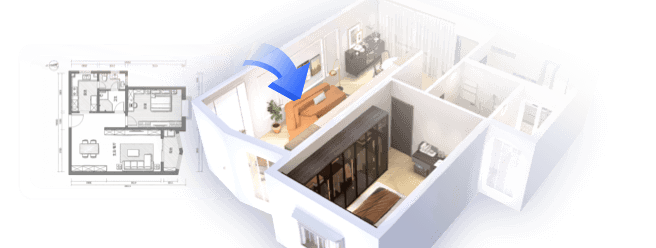
- Compare options. A mood board can organize colors and finishes, while a simple 3D layout can help test furniture placement, clearances, and sightlines before purchases.
- Confirm before ordering. Verify dimensions, product availability, installation instructions, and return terms. A beautiful image cannot confirm that a cabinet clears a doorway or that a fixture fits existing connections.
For visual planning, Homestyler can help you arrange a room and compare design directions before committing to finishes. It is a planning aid, not a substitute for construction drawings, code review, or a contractor’s assessment.
How to judge a home makeover idea before copying it
A strong design choice works in the actual home, under ordinary conditions. Consider the following before borrowing a look from home renovation shows:
- Scale: A large island or oversized sofa may dominate a room that is smaller than the one on screen. Check clear walking paths and door swings.
- Light: Paint and flooring can look different under daylight, warm bulbs, and the lighting used for filming. Test samples in the room at different times.
- Durability: Choose surfaces for the people, pets, and activities in your household. A delicate finish may be a poor fit for a busy entry or kitchen.
- Maintenance: Ask how often a material needs sealing, special cleaning, refinishing, or replacement.
- Context: A feature that suits a new-build open plan may not suit an older home with different proportions, ventilation, or wiring.
- Resale assumptions: A show’s transformation does not guarantee a particular return. Prioritize safety, function, and your own use; local market outcomes vary.
I recommend saving the reason you like an idea alongside the image. “The bench gives us a place to remove shoes” is a useful design brief; “copy this exact entry” may not be. That distinction leaves room to adapt the concept to your dimensions and budget.
Make the reveal useful after the episode ends
Keep a small inspiration file with the show or episode, the feature you noticed, the problem it solves, and what would need to change for your home. Add measurements, sample photos, and questions for a contractor. This turns passive watching into a record of decisions rather than a pile of screenshots.
If you are comparing layouts, Homestyler can help visualize furniture and finishes in a room concept. Use it to compare alternatives—such as a peninsula versus a small island—then verify clearances and construction details in the real space.


The most useful home improvement shows leave you with better questions, not an urge to reproduce every reveal. Borrow the planning logic, check the constraints, and choose improvements that make daily life easier. When a project involves structure, utilities, or safety, bring in qualified local professionals before work begins. For the visual decisions, Homestyler offers a way to explore options before you buy; the final plan should still be grounded in measurements, verified costs, and the needs of the people who live there.
Built on technology originally developed at Autodesk, Homestyler empowers anyone to design beautiful, realistic spaces in minutes. Join over 20+ million registered users (platform data, 2026) who have already discovered a smarter way to plan, visualize, and bring their dream homes to life — all from the comfort of a browser.
Tantangan Desain Vist Desain sekarang Gratis