


With the rise of AI tools like ChatGPT becoming integral to daily productivity, many of us now design our home workspaces to accommodate seamless digital interaction. Creating ergonomic setups that support extended screen time and easy access to technology not only enhances comfort but also promotes focus. Thoughtful space planning and furniture choices, such as adjustable desks and cable management solutions, are essential for blending high-tech lifestyles into functional living environments.
Innovative laundry in the garage ideas emphasize compact arrangements, vertical storage solutions, and moisture-resistant materials to convert unused garage spaces into practical laundry zones. Even the smallest garages can house washers, dryers, folding surfaces, and storage efficiently without feeling constrained when smart design principles are applied.
Most effective garage laundry designs utilize stacking washers and dryers, wall-mounted storage units, and robust surfaces that withstand fluctuations in temperature and humidity.
Introduction to Garage Laundry Design
In over ten years of residential design experience in California, I've frequently encountered homes lacking dedicated laundry rooms. The go-to fix often involves relocating the laundry appliances into the garage.
While this might seem like a compromise initially, I've found that well-crafted garage laundry spaces can actually surpass traditional laundry rooms by offering greater layout flexibility, improved ventilation, and ample vertical storage options.
The primary hurdle is limited space since garages often store tools, bikes, and seasonal items. This challenge underscores the importance of clever laundry in garage concepts.
Below are tested methods I've applied in various projects that transform tight garage corners into tidy, functional, and polished laundry areas, using platforms like Homestyler to visualize and optimize the layouts.
Why Choose the Garage for Laundry?
A significant advantage of garage laundry placement is the often superior ease of plumbing, ventilation, and noise isolation compared to interior rooms.
In many U.S. residences, garages are adjacent to utility lines and exterior walls, simplifying water hookups and dryer vent installations.
Additionally, garages help isolate the loud noise and vibration generated by washers and dryers from living spaces.
Benefits observed include increased interior storage and streamlined daily household routines after relocating laundry to the garage.
Maximizing Laundry in Small Garages
The key to designing laundry areas in small garages lies in vertical utilization rather than expanding floor space.
Many attempt to clear floor space first, but designing upwards by stacking appliances and installing tall cabinets is far more effective.
For example, in a 380-square-foot garage refurbishment, stacking washer and dryer units freed almost 8 square feet, enabling additional folding and storage areas.
Optimal Layout Concepts for Garage Laundry
Efficient garage laundry layouts follow a three-zone system: washing, folding, and storage, arranged thoughtfully to keep the space organized and contained.
Aligning these zones along a single wall helps prevent the laundry space from encroaching on the rest of the garage.
Installing continuous countertops above front-loading machines creates valuable work surfaces in compact setups.
Best Storage Choices for Garage Laundry Spaces
Enclosed storage units outperform open shelving in garage laundry zones by protecting supplies from dust and temperature shifts.
Garages tend to accumulate dust quickly, making open baskets and shelves impractical for long-term organization.
Durable materials such as coated metals, laminates, or sealed plywood should be chosen instead of decorative furniture intended for living spaces.
Challenges in Garage Laundry Areas
Hidden challenges like temperature extremes and humidity swings significantly impact garage laundry setups but are often overlooked.
Garages can become uncomfortably hot during summer and freezing cold in winter, affecting both appliances and laundry products.
Practical solutions include installing wall-mounted exhaust fans to regulate moisture and maintaining consistent temperature control.
Concealing the Laundry Area in the Garage
Creating visual separation between laundry zones and the rest of the garage enhances tidiness and minimizes perceived clutter.
Even minimal boundaries like sliding doors, curtains, or cabinetry can dramatically improve the space's appearance and usability.
This approach is particularly beneficial in garages doubling as workshops or storage rooms.
Summary of Garage Laundry Design Principles
The most functional garage laundry solutions combine stacking appliances, vertical storage, resilient materials, and a defined three-zone layout. Proper ventilation and moisture control remain critical for long-term usability, which tools like Homestyler can help homeowners plan effectively.
Frequently Asked Questions About Garage Laundry
Is it possible to install a washer and dryer in the garage?
Absolutely. Garages offer easier access for plumbing and ventilation, provided proper insulation and venting are installed to protect the appliances.
Can dryers safely operate in garage environments?
Yes, as long as dryers are vented to the outside to prevent humidity buildup, their operation is safe in garages.
What layout works best for small garage laundry areas?
A single-wall design featuring stacked units and overhead cabinetry usually maximizes efficiency in limited spaces.
Is insulation necessary for garage laundry rooms?
Insulating garages, especially in regions with severe weather, safeguards equipment and boosts energy efficiency.
How can I effectively hide washer and dryer units in the garage?
Visual barriers like sliding doors, curtains, or custom cabinetry help conceal laundry zones neat and tidy.
What flooring options are suitable for laundry in garages?
Durable, moisture-resistant surfaces such as sealed concrete, epoxy coatings, or waterproof vinyl are ideal.
How much space do I require for a garage laundry setup?
A functional laundry area can be accommodated within a 5- to 6-foot length of wall when using stacked appliances and vertical storage.
Which ideas work best for very small garage laundry setups?
Stacked washer-dryer units combined with wall cabinets, fold-down counters, and slim shelving maximize utility in tight quarters.

Portable Washing Machine Twin Tub 9.9 Lbs Capacity

BLACK+DECKER Front Load Washer, 2.7 Cu. Ft
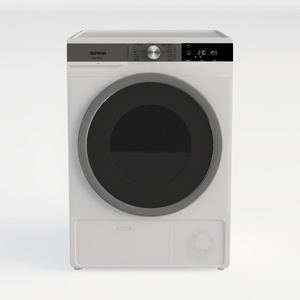
Portable Clothes Dryer 1300W, Compact Dryer for
Homestyler is an easy-to-use online home design platform offering powerful 3D rendering, a vast collection of interior design projects, and helpful DIY video tutorials—perfect for bringing your creative ideas to life effortlessly.
Concevez maintenant gratuitement
































